
Wellington's Six-Month Sewage Crisis Deepens

Wellington faces a prolonged environmental crisis as millions of litres of sewage continue spilling into coastal waters. A temporary fix won't arrive until November.
Wellington, New Zealand's capital city, is grappling with an unprecedented environmental catastrophe as millions of litres of sewage continue flowing directly into the Pacific Ocean. The crisis began on February 4th when the Moa Point wastewater treatment plant experienced a catastrophic failure, leaving the city without adequate sewage treatment infrastructure for over 100 consecutive days. This prolonged system failure has raised serious concerns among residents, environmental advocates, and public health officials about the long-term implications for marine ecosystems and water safety in the region.
The scope of the sewage spill disaster cannot be overstated, with authorities confirming that the discharge consists of both raw and partially screened human effluent being released directly into coastal waters. This unprecedented volume of untreated waste represents a significant public health hazard and environmental threat to one of New Zealand's most important urban centers. City officials and water management authorities have acknowledged the gravity of the situation, with residents increasingly questioning how such a critical infrastructure failure was allowed to occur and remain unresolved for such an extended period.
According to statements from Wellington City Council and related water authorities, a temporary mitigation solution is expected to be implemented by November of the current year. This interim fix represents an attempt to halt the immediate crisis, though it will not fully resolve the underlying infrastructure problems that led to the original plant failure. The wastewater treatment crisis has prompted urgent action from multiple government agencies and engineering firms working to develop both short-term and long-term solutions to prevent further environmental damage.

The complete restoration and repair of Wellington's wastewater infrastructure is expected to require substantial financial investment and extended construction timelines. Officials have announced that comprehensive repairs will cost approximately NZ$53.5 million and will not be fully completed until late 2026. This extended timeline means that residents and the environment will continue to bear the burden of compromised water quality for an extended period, despite the November temporary fix. The financial commitment underscores the severity of the infrastructure failure and the complexity involved in restoring critical municipal systems.
The environmental impact of the raw sewage discharge extends far beyond the immediate coastal waters surrounding Wellington. Marine life, including fish populations, shellfish beds, and other aquatic organisms, face serious contamination risks from the prolonged exposure to untreated human waste. Scientists and environmental organizations have expressed alarm about the potential long-term consequences for biodiversity in the region and the broader implications for New Zealand's marine conservation efforts. The spill has also raised questions about water quality testing protocols and the safety of recreational swimming and fishing activities in affected areas.
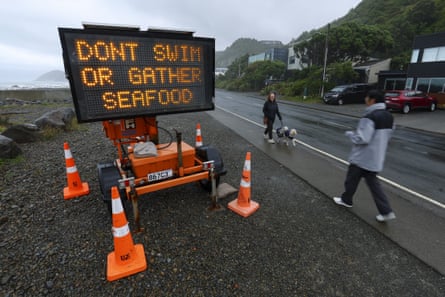
Public health implications of the sewage contamination crisis have become increasingly evident as the weeks have progressed. Authorities have issued warnings to residents about potential health risks associated with water activities in contaminated zones, and multiple beaches have been temporarily closed to prevent exposure to pathogens and harmful bacteria. Waterborne diseases can spread rapidly through untreated sewage discharge, posing particular risks to vulnerable populations including children, the elderly, and individuals with compromised immune systems. The prolonged nature of this environmental emergency has added stress to an already burdened public health system.
The failure of the Moa Point wastewater treatment plant has prompted a broader examination of Wellington's municipal infrastructure resilience and maintenance practices. Questions have emerged about whether adequate preventive maintenance protocols were in place and whether warning signs of equipment failure were properly monitored and addressed. City planners and engineers are now reassessing infrastructure management strategies across all critical municipal systems to identify and mitigate risks of similar catastrophic failures. This comprehensive review is expected to lead to policy changes and improvements in infrastructure monitoring and maintenance practices.
Community response to the ongoing sewage crisis has been characterized by growing frustration and demands for accountability from city officials and water management authorities. Residents have voiced concerns about the adequacy of communication from authorities regarding the timeline for resolution and the potential health risks posed by the continued contamination. Environmental advocacy groups have called for stricter regulations and more robust funding for infrastructure upgrades to prevent future incidents of this magnitude. The situation has become a significant political issue, with elected officials facing mounting pressure to demonstrate effective crisis management and long-term planning.
The temporary fix scheduled for November represents a crucial milestone in addressing the immediate aspects of the wastewater infrastructure emergency, but stakeholders have emphasized that this is not a permanent solution. Engineers and project managers are working against tight deadlines to implement the interim system, which will divert some of the sewage flow away from the direct ocean discharge. However, this temporary measure will require ongoing monitoring and maintenance until the comprehensive repair project is completed. The complexity of coordinating this interim solution while simultaneously planning for permanent repairs has created significant logistical challenges for the engineering teams involved.
The broader implications of this crisis extend to New Zealand's infrastructure planning and investment priorities at both local and national levels. The situation has highlighted the critical importance of adequate funding for water treatment systems and the potential consequences of deferred maintenance and infrastructure upgrades. Government officials at multiple levels are now examining funding mechanisms and policy frameworks to ensure that critical municipal services receive appropriate resources and attention. This incident may serve as a catalyst for broader infrastructure modernization efforts across New Zealand's major urban centers.
Looking toward the resolution of this crisis, authorities have outlined a detailed plan for the November temporary fix, followed by the more comprehensive reconstruction effort extending into late 2026. The successful implementation of these remediation efforts will require coordinated efforts from multiple agencies, including the Wellington City Council, water management authorities, and specialized engineering contractors. Progress on these projects will be closely monitored by residents and environmental organizations to ensure that timelines are met and that adequate resources are allocated to fully resolve the contamination crisis. The eventual restoration of Wellington's wastewater infrastructure will mark an important milestone in recovering from this environmental emergency and preventing future incidents of similar magnitude.
Source: The Guardian


