
Welsh Child Poverty Crisis: A Mother's Struggle

Discover how poverty affects Welsh families as one mother shares her heartbreaking story. Wales faces the highest child poverty rate in the UK.
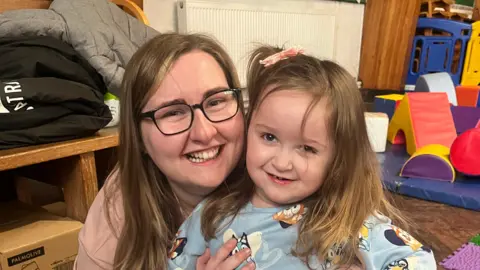
In the heart of Wales, a mother sits down to reflect on the dreams she holds for her daughter—dreams that feel increasingly distant as financial hardship tightens its grip on her family. Her story is not unique; it represents a growing crisis affecting families across the nation. Welsh child poverty has reached alarming levels, with statistics revealing that approximately one-third of Welsh children live below the poverty line, making Wales the region with the highest child poverty rate among all four nations of the United Kingdom.
The emotional weight of this reality cannot be understated. Every parent wants to provide their children with opportunities, experiences, and material comforts that foster development and happiness. Yet for countless families throughout Wales, the gap between aspirations and reality widens each day. This mother's candid acknowledgment of her limitations speaks to a broader societal challenge that demands attention and action from policymakers, communities, and social institutions across the region.
Understanding the scope of poverty in Wales requires examining not just the statistics, but the lived experiences of those affected. When approximately one-third of children grow up in poverty, the implications extend far beyond individual households. Schools struggle to support students facing food insecurity, healthcare systems become overwhelmed with poverty-related conditions, and communities fracture under the strain of economic inequality. This systemic issue touches every aspect of Welsh society, from education outcomes to mental health crisis rates.
The comparison between UK nations poverty rates reveals just how severe the Welsh situation has become. While child poverty affects families throughout England, Scotland, and Northern Ireland, Wales consistently reports the highest prevalence. This distinction is not merely statistical—it reflects different policy decisions, economic structures, and social safety nets across the regions. Understanding why Wales has become a particular flashpoint in the UK's child poverty crisis requires examining multiple contributing factors that have accumulated over years of economic and social change.
Economic circumstances in Wales have evolved significantly over the past several decades. The decline of traditional industries such as coal mining and steel manufacturing left many communities without stable employment opportunities. While efforts to diversify the economy have been undertaken, many regions continue to struggle with limited job prospects and wage stagnation. Families dependent on low-wage work find themselves perpetually caught in a cycle where full-time employment still fails to lift them above the poverty threshold, a phenomenon economists describe as the working poor.
For the mother in this story, the struggle encompasses far more than meeting basic needs. She yearns to provide her daughter with experiences that enrich childhood—music lessons, sports activities, school trips, and extracurricular programs that develop confidence and skills. These opportunities, often taken for granted by middle-class families, become impossible luxuries when every penny must be allocated to rent, food, and utilities. The psychological impact of constantly saying no to her child's requests weighs heavily on her consciousness, creating an emotional burden that financial poverty alone cannot describe.
Child poverty impacts extend into educational outcomes with measurable consequences. Children growing up in poverty frequently experience higher rates of school absenteeism, lower academic achievement, and reduced likelihood of pursuing higher education. The stress of financial instability at home manifests in the classroom, where concentration becomes difficult and anxiety becomes commonplace. Teachers across Wales report witnessing the effects of poverty on their students—children who arrive at school hungry, wearing inadequate clothing, or dealing with housing instability that disrupts their ability to focus on learning.
The health implications of childhood poverty cannot be overlooked either. Nutritional deficiencies become more common, dental health deteriorates due to inability to afford proper care, and chronic stress from economic insecurity creates lasting physiological impacts. Mental health challenges emerge at higher rates among children experiencing poverty, including anxiety, depression, and behavioral problems that often go untreated due to resource constraints. The National Health Service in Wales continues to report increased demand for mental health services, with poverty cited as a significant contributing factor.
Government support systems and social safety nets attempt to address these challenges, but many families report that available assistance remains insufficient to meet their actual needs. Welfare benefits, while intended to help, often fall short of covering all expenses, leaving families to make impossible choices about which bills to pay and which needs to prioritize. The bureaucratic complexity of accessing available support adds another layer of difficulty, requiring time and effort that already-stressed parents struggle to spare.

Looking at potential solutions requires comprehensive approaches that address root causes rather than merely treating symptoms. Poverty reduction strategies must encompass job creation initiatives that provide living wages, affordable housing programs, improved access to childcare that enables parents to work, and stronger education systems that can compensate for disadvantages some children face. Community organizations throughout Wales work tirelessly to fill gaps left by government programs, providing food banks, clothing donations, and mentorship programs that make tangible differences in children's lives.
The mother's desire to provide more for her daughter reflects a universal parental instinct that transcends economic boundaries. What distinguishes her situation is not her love or dedication as a parent—traits she possesses in abundance—but rather the structural and economic barriers that prevent her from fulfilling her aspirations. Until Wales poverty receives the sustained policy attention and resources it deserves, countless mothers will continue to face this heartbreaking reality.
The path forward requires acknowledging that child poverty is not inevitable or insurmountable. Other regions and countries have successfully reduced childhood poverty rates through sustained commitment to evidence-based policies and adequate funding. Wales possesses the resources and talent necessary to tackle this crisis, but doing so demands political will, investment in preventive programs, and a collective commitment to ensuring that every child has access to the opportunities necessary for a healthy, fulfilling future.
As this mother continues her daily struggle to provide for her daughter, her story serves as both a personal testament to resilience and a call to action for society. The highest child poverty rates in UK concentrated in Wales represent not merely statistics, but real families facing real hardship. Addressing this crisis requires recognition that poverty is not a personal failing but a systemic challenge demanding systemic solutions. Only through comprehensive action can Wales hope to transform the landscape for families currently trapped in poverty's grip.
Source: BBC News


