
Whale Dies After German Rescue Attempt Near Denmark

A whale perished following a controversial German rescue operation near a Danish island. Wildlife experts had warned the intervention would cause additional stress to the marine mammal.
A large whale has been discovered dead in waters near a Danish island, concluding a dramatic and contentious rescue operation that had been coordinated by German authorities. The incident has reignited debates within the marine conservation community about the appropriate protocols for assisting stranded cetaceans and the potential consequences of human intervention in such delicate situations.
The whale rescue operation had attracted significant attention from wildlife professionals and the general public alike, as rescue teams worked to help the distressed marine mammal return to deeper waters. However, the tragic outcome has left many questioning whether the intervention truly served the animal's best interests or inadvertently hastened its demise through stress and exhaustion.
Prominent wildlife experts had voiced serious concerns about the rescue approach well before the whale's death was confirmed. These specialists argued that the intensive intervention would likely inflict additional psychological and physical distress upon an already vulnerable creature, potentially compromising its survival chances rather than improving them.
The rescue operation represented a significant commitment of resources and personnel, involving coordination between multiple agencies and volunteer organizations dedicated to marine mammal welfare. Despite these extensive efforts, the ultimate outcome demonstrated the inherent risks and complexities associated with attempting to rescue large cetaceans in distress.
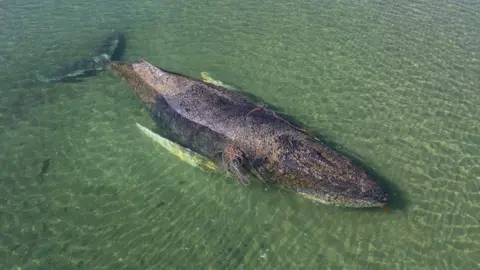
Marine biologists have long debated the ethics of active intervention in stranded whale situations, particularly when dealing with large species. The fundamental challenge lies in balancing the humanitarian impulse to assist suffering animals with the pragmatic understanding that human intervention can sometimes prove counterproductive, introducing novel stressors that compound existing health challenges.
The specific circumstances surrounding this particular whale death have prompted renewed examination of marine rescue protocols across Northern Europe. Authorities and conservation organizations are now reassessing their strategies for responding to similar situations, taking into account both the latest scientific evidence and the hard lessons learned from this tragic incident.
Previous rescue attempts involving large whales in European waters have produced mixed results, with some operations successfully returning animals to the ocean while others have ended similarly to this case. These varied outcomes underscore the unpredictable nature of cetacean rescues and the importance of developing more refined, evidence-based approaches.
The German rescue team involved in this operation had acted with good intentions and in accordance with established protocols at the time. However, the presence of expert criticism throughout the process raised important questions about whether existing procedures adequately account for the stress factors inherent in such operations.
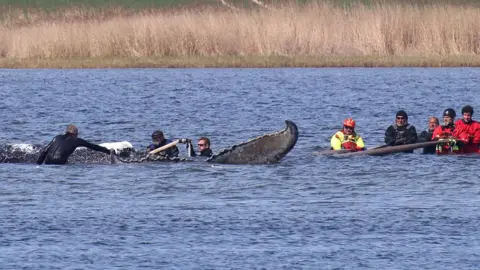
Environmental organizations have used this incident to advocate for enhanced training and development of whale rescue techniques that minimize trauma and stress to affected animals. They emphasize the need for international cooperation and knowledge-sharing among experts to establish best practices that prioritize animal welfare above all other considerations.
The location near the Danish island has significant environmental importance, serving as a crucial habitat for various marine species including cetaceans. The death of this whale highlights the broader environmental challenges facing ocean ecosystems and the vulnerability of marine mammals to various human-related and natural stressors.
Necropsy examinations and post-incident analyses will likely provide valuable insights into whether the rescue operation directly contributed to the whale's death or whether underlying health conditions would have proven fatal regardless of intervention. These findings could prove instrumental in refining future cetacean rescue operations and establishing clearer decision-making frameworks.
The incident serves as a sobering reminder of the limitations of human intervention in complex natural systems and the importance of proceeding with humility when attempting to assist wild animals. Conservation professionals continue to grapple with these challenging decisions, knowing that even well-intentioned actions can have unintended consequences.
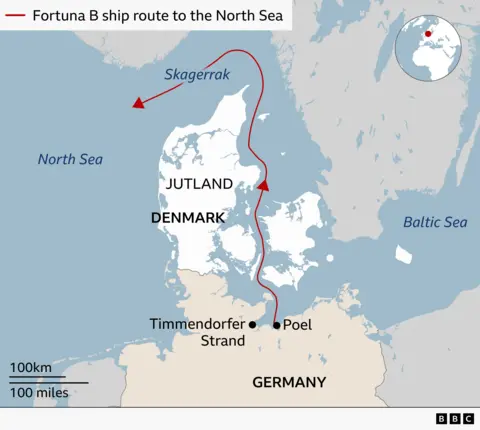
Moving forward, this tragedy will likely influence policy decisions regarding marine mammal protection and wildlife rescue standards throughout the region. Multiple stakeholder groups, including government agencies, environmental nonprofits, and scientific institutions, are expected to collaborate on developing more comprehensive guidelines for future incidents.
The emotional impact of this case extends beyond the scientific community to the general public, many of whom followed the rescue efforts with genuine concern for the animal's welfare. This widespread engagement demonstrates society's growing recognition of the importance of cetacean conservation and the moral imperative to protect these intelligent, complex creatures.
As investigations continue into the specific factors that led to this outcome, the international community remains committed to advancing our understanding of cetacean biology, behavior, and rehabilitation needs. The lessons learned from this incident will help shape more effective, humane approaches to marine mammal rescue in the years to come, honoring the memory of this unfortunate individual while potentially saving countless other whales in future situations.
Source: BBC News


