
White House Dinner Chaos: Gunshots Force Trump Evacuation

Gunshots erupted during White House correspondents' dinner, forcing immediate evacuation of Trump and Melania. Guests sheltered as Secret Service responded.
The prestigious White House correspondents' dinner, traditionally a showcase of political satire and journalistic excellence, descended into chaos and panic on Saturday evening when gunshots rang out through the ballroom. The unexpected and terrifying incident prompted an immediate and dramatic response from Secret Service personnel, who swiftly moved to evacuate former President Donald Trump and First Lady Melania Trump from the venue. What had begun as an evening of celebration and lighthearted roasting transformed within moments into a harrowing scene of fear and confusion.
As the sound of gunfire pierced the atmosphere, journalists, government officials, and distinguished guests reacted with instinctive self-preservation, immediately seeking cover beneath tables and other available shelter. The White House correspondents' dinner, an annual event that has been held since 1921 and typically features the sitting president or a high-ranking representative, became the site of a major security incident that raised urgent questions about public safety and event security protocols.
The Secret Service response was rapid and professional, with security personnel flooding the ballroom to establish control and ensure the safety of all attendees. The evacuation of the Trumps was executed with the efficiency that comes from years of protective service training, though the overall scene created a stark contrast to the usual refined and ceremonial nature of the event. Witnesses reported seeing guests and staff members scrambling to shield themselves from potential danger.
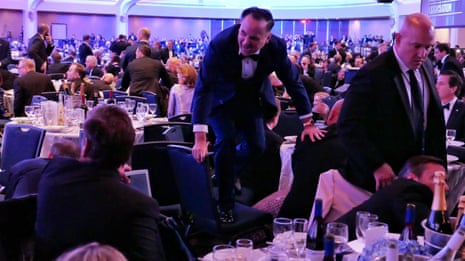
The gunshots incident at the White House correspondents' dinner marked a significant disruption to one of Washington, D.C.'s most important media and political gatherings. The dinner, historically attended by the President or Vice President, serves as an important forum for dialogue between the press corps and the executive branch, while also providing an opportunity for light entertainment and social connection. The sudden violence shattered the formal atmosphere that characterizes this institution.
Details surrounding the origin and nature of the gunfire emerged as authorities launched an immediate investigation into what had transpired. Security personnel worked to secure the scene, separate witnesses, and begin the process of gathering testimonies from those who had been present when the shots were fired. The incident prompted heightened alert statuses at multiple locations across the nation's capital as authorities worked to determine whether the threat was contained or ongoing.
The evacuation protocol implemented by the Secret Service exemplified the extensive security measures that surround high-ranking political figures at public events. The protective detail's swift action ensured that the Trumps were removed from the immediate danger zone within moments of the incident occurring. Other attendees, meanwhile, remained sheltered in place while security personnel assessed the situation and cleared the premises for safe exit.
Eyewitness accounts from those present at the dinner event painted a picture of sudden terror and confusion as the celebratory atmosphere evaporated instantly. Guests described the collective reaction of shock and fear that swept through the room, with many individuals instinctively diving beneath tables to seek protection. The professional demeanor of some attendees, particularly those with government and media backgrounds, helped maintain a degree of order even as panic threatened to escalate.
The incident raised serious questions about venue security and the adequacy of protective measures at major public events in Washington, D.C. The White House correspondents' dinner brings together hundreds of influential figures from media, politics, entertainment, and government, making it a high-profile target that requires sophisticated and comprehensive security arrangements. The fact that gunshots were able to occur during the event prompted renewed scrutiny of how such gatherings are protected.
Law enforcement agencies rapidly deployed resources to investigate the incident and determine the circumstances that led to the discharge of firearms within the ballroom. Federal, local, and other relevant authorities coordinated their efforts to piece together what had happened, who was responsible, and whether additional threats existed. The investigation would prove crucial in understanding whether this was a targeted incident, a security breach, or another type of emergency.
The political implications of the incident extended beyond the immediate security concerns. The disruption of such a significant gathering of media and political figures was certain to dominate news coverage and political discourse for days to come. The incident also served as a reminder of the security challenges that accompany high-profile public events, particularly those involving current or former presidents and other senior government officials.
Response from those present at the dinner varied, with some guests praising the swift action of security personnel while others expressed concern about how such an incident could occur at a protected event. The psychological impact of suddenly being exposed to gunfire during what was supposed to be an elegant and secure gathering would undoubtedly linger for many of those who experienced it firsthand. Mental health resources and counseling services were made available to affected attendees.
The White House correspondents' dinner incident underscored ongoing national conversations about public safety, security protocols, and the challenges of protecting high-profile events in an era of significant security concerns. As more information emerged about what had transpired, the incident would likely influence future discussions about how such important gatherings should be structured and secured. The security breach, whatever its ultimate cause, had demonstrated vulnerabilities that would need to be addressed going forward.
Source: The Guardian


