
White House Dinner Shooting Shocks Washington

Gunfire erupts at prestigious White House Correspondents' dinner attended by top officials, reigniting debates on political violence and gun control.
Washington reeled from shock and uncertainty on Sunday following a brazen shooting incident at one of the nation's most prestigious annual events. The attack at the White House Correspondents' Association dinner, which drew top government officials, media figures, and political leaders, prompted immediate scrutiny into the state of political violence in America and the adequacy of security protocols at high-profile government gatherings.
The incident unfolded when a gunman opened fire at a security checkpoint within the Washington Hilton hotel during the evening of the annual gala. A Secret Service agent became the target of the attack, which shocked attendees and forced the evacuation of numerous dignitaries from the prestigious venue. Among those hastily removed from the event were former President Donald Trump and his wife Melania Trump, who were escorted out as pandemonium erupted throughout the ballroom.
Witnesses described scenes of chaos and terror as guests instinctively sought shelter, diving beneath tables and scrambling toward exits. The sudden eruption of gunfire transformed what is typically a lighthearted evening celebrating the free press into a nightmare scenario that raised profound questions about the vulnerability of protected spaces and the effectiveness of current security measures.
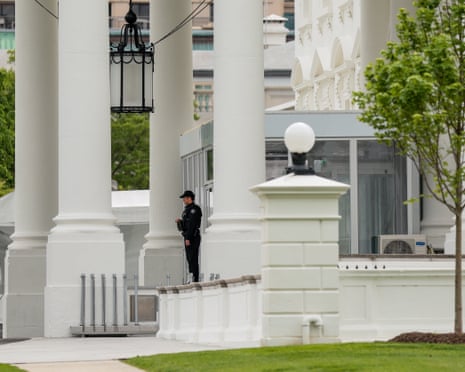
Law enforcement officials quickly responded to the emergency, with security personnel moving swiftly to contain the situation and protect attendees. The suspect was apprehended at the scene following a brief confrontation with officers. The rapid response prevented what could have been a far more catastrophic outcome, though the psychological impact on those present remained significant.
In the aftermath of the shooting, Washington's political establishment grappled with uncomfortable questions about the current state of discourse and safety in the nation. The incident reignited longstanding debates about gun control measures, with lawmakers and commentators pointing to the attack as evidence of a deeper crisis rooted in political polarization and the normalization of violence as a means of expression.
Security experts immediately began analyzing what had transpired, examining how a gunman had managed to bring a weapon into a facility hosting some of the nation's most heavily protected officials. The breach raised troubling questions about checkpoint procedures, screening protocols, and the potential vulnerabilities in security arrangements that had been assumed to be impenetrable.
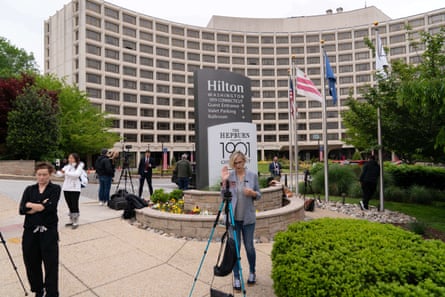
The White House Correspondents' Association dinner has long served as a unique gathering where political opponents, journalists, and government officials come together in a spirit of relative camaraderie and humor. The event's atmosphere typically emphasizes the importance of press freedom and the relationship between media and government. The intrusion of violence shattered this carefully maintained tradition and exposed the underlying tensions that simmer beneath Washington's polished surface.
Political analysts noted that the incident exemplified broader concerns about the increasingly hostile environment surrounding American politics. Many observers highlighted how political polarization has intensified in recent years, with rhetoric becoming more inflammatory and threats of violence becoming increasingly common. The shooting at such a high-profile event suggested that the dangers were not merely theoretical but posed genuine risks to public figures and security personnel.
Responses from political leaders varied, with some calling for renewed focus on security protocols and others using the incident to advance their positions on gun legislation. The divergence in reactions reflected the deep divisions that characterize contemporary American politics, where even tragic events often become fodder for partisan debate rather than catalysts for common ground.
Mental health professionals and violence experts offered additional perspectives, suggesting that the shooter's motivations warranted careful investigation. Understanding the psychological factors that drive individuals to commit acts of violence at symbolic locations remained crucial for developing preventative strategies. The focus on the individual perpetrator, however, often obscured the systemic issues that create environments conducive to such incidents.
The incident prompted discussions about the broader landscape of threats facing American institutions and public figures. Intelligence agencies and law enforcement began reviewing intelligence regarding potential threats to other high-profile events and gatherings. The assumption that certain venues or events were beyond risk had been definitively shattered.
Looking ahead, the White House Correspondents' Association faced decisions about how to proceed with future events while balancing the desire to maintain the dinner's traditional character with the need to implement enhanced security measures. The organization confronted the difficult task of reassuring potential attendees while acknowledging the genuine risks that had been exposed.
The shooting served as a stark reminder of the vulnerability of even the most protected gatherings in America. It underscored the challenges faced by security professionals tasked with maintaining safe environments while respecting the democratic values of openness and accessibility that define American institutions. The tension between these competing imperatives remained unresolved as the nation contemplated the implications of the evening's events.
As investigations continued and officials assessed what had occurred, Washington faced a reckoning with uncomfortable truths about an angry, polarized nation grappling with deep divisions. The incident would likely influence discussions about security, gun control, and political civility for months to come, becoming yet another marker in an increasingly troubled timeline of political violence and institutional vulnerability.
Source: The Guardian


