
White House Dinner Shooting: What Really Happened

Eyewitness account from Guardian journalist David Smith on the shocking White House correspondents' dinner incident and security concerns.
A tense situation unfolded at one of Washington's most prestigious annual events when gunshots erupted inside the White House correspondents' dinner on Saturday evening. The incident sent shockwaves through the packed ballroom, leaving guests uncertain about the nature of the threat and whether they faced immediate danger. What initially appeared to be a catastrophic security breach quickly transformed into a controlled law enforcement response as security personnel sprang into action.
The suspected gunman, identified as Cole Tomas Allen, was swiftly apprehended by White House security officials before the situation could escalate further. According to initial reports, Allen was found to be in possession of multiple weapons at the time of his arrest, including knives, a shotgun, and a handgun. The discovery of such an arsenal raised immediate questions about how the individual had managed to breach the security perimeter of one of the most heavily protected events in the nation's capital.
Among those present during the chaotic moments was David Smith, the Washington DC bureau chief for The Guardian, who was seated at a table in the elegantly decorated ballroom when the incident occurred. Smith's firsthand perspective provides crucial insight into the panic and confusion that gripped attendees as they struggled to comprehend what was happening around them. His account offers a window into the human experience of such a frightening moment at a high-profile government event.
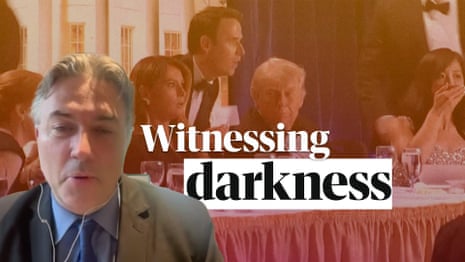
In an in-depth conversation with Nour Haydar, Smith delves into the critical details surrounding the alleged gunman's possible motivations and what may have driven him to attempt such an act at this significant gathering. The interview explores the timeline of events, examining how quickly security personnel responded and what measures were in place to prevent unauthorized individuals from accessing the venue. Smith's insights shed light on the broader implications of the incident for future high-security events in Washington.
The White House correspondents' dinner security protocols came under intense scrutiny following the shooting. Questions emerged about how an armed individual could penetrate the multiple layers of security that typically surround such an event. Experts and officials began analyzing the event's access procedures, credential verification systems, and the coordination between different security agencies responsible for protecting attendees at this annual gathering of journalists, politicians, and media figures.
The incident raised concerns about the vulnerability of even the most closely monitored events in the nation's capital. Security analysts began reviewing footage and procedures to identify potential gaps in the defensive measures that had failed to prevent the breach. The shooting incident prompted conversations about balancing public accessibility at press events with the need for robust security measures to protect high-profile attendees.
David Smith's eyewitness account emphasizes the immediate fear and uncertainty that gripped the ballroom when the first shots rang out. Guests who had been enjoying an evening of speeches and celebration suddenly found themselves in a potentially life-threatening situation. The contrast between the refined atmosphere of the formal dinner and the sudden eruption of violence created a jarring and traumatic experience for those present.
The investigation into Cole Tomas Allen's background and motivations became a focal point for security officials and law enforcement agencies. Understanding why he targeted this particular event and what he hoped to accomplish was essential to preventing similar incidents in the future. Authorities worked to piece together his connections, any previous incidents, and potential warning signs that might have flagged his intentions before he arrived at the venue.
The arrest of the suspected gunman prevented what could have been a far more devastating outcome. The quick response of security personnel and law enforcement officials demonstrated the importance of trained, alert security teams at high-profile events. However, the fact that an armed individual was able to reach the ballroom at all suggested that improvements in screening procedures and access control were necessary.
Media coverage of the incident focused heavily on the security implications and what it revealed about vulnerabilities in protecting prominent government and press figures. Journalists and commentators debated whether the White House correspondents' dinner could continue as a public event or if future gatherings would need to implement stricter security measures that might limit attendance or accessibility. The balance between maintaining the open, celebratory nature of the event and ensuring the safety of all attendees became a central concern.
Smith's detailed account of the evening provides valuable context for understanding how such an incident could occur and what responses were implemented once the threat was identified. His perspective as a seasoned journalist covering Washington politics adds credibility and insight to the discussion of the event's security failures and successes. The interview format allows for exploration of nuanced details that might not emerge through traditional news reporting alone.
The broader implications of the shooting extended beyond just the immediate event security. It raised questions about threats to journalists and media figures, who are increasingly facing scrutiny and confrontation in the current political climate. The incident highlighted the risks that members of the press face in their work and the importance of protecting spaces where journalists can gather safely to report on government and politics.
Moving forward, the security protocols at major Washington events faced inevitable revision and enhancement. Federal agencies responsible for protecting the White House and its surrounding events would conduct thorough reviews to identify what went wrong and how to prevent future breaches. The incident served as a stark reminder of the constant vigilance required to maintain security at high-profile gatherings in an increasingly volatile environment.
David Smith's willingness to discuss his experience provides the public with a more complete understanding of the incident beyond official statements and brief news reports. His conversation with Nour Haydar delves into both the factual details and the emotional experience of being present during such a frightening moment. This comprehensive approach to covering the incident helps readers and listeners appreciate the human dimension of security threats at major events.
Source: The Guardian


