
White House Dinner Shooting: What We Know

Latest updates on the White House correspondents' dinner shooting incident. President Trump evacuated safely as suspect arrested. Full details inside.
In a startling turn of events that has captured national attention, the prestigious White House correspondents' dinner—one of Washington's most storied annual gatherings—was abruptly disrupted by gunfire on Saturday evening. The incident has reignited critical discussions about White House security protocols and the ongoing concern over political violence in America. This comprehensive briefing examines everything currently known about the shooting, its immediate aftermath, and the broader implications for national security and political discourse.
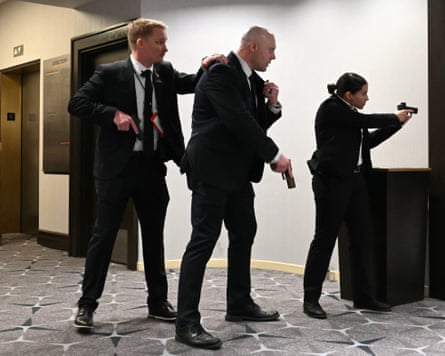
The evening began as it typically does, with journalists, politicians, and media figures assembling for the prestigious dinner, traditionally featuring remarks from the sitting president and lighthearted roasting between members of the press and administration. However, the festive atmosphere was shattered when gunfire erupted within the venue. Eyewitnesses reported scenes of immediate panic as attendees sought cover beneath tables and behind whatever barriers were available. The rapid response of security personnel became evident as law enforcement moved swiftly to secure the president and first lady, ushering them out of the room with military precision.
President Donald Trump and First Lady were evacuated from the event without sustaining any injuries, marking a critical success for the protective services team. Members of the presidential cabinet and other dignitaries present at the dinner were similarly removed to safety, with authorities establishing a secure perimeter around the venue. The rapid evacuation demonstrated the extensive security preparations that typically accompany such high-profile events, though the incident has prompted questions about how such a breach could occur in the first place.

The suspect has been identified as Cole Tomas Allen, a 31-year-old individual from southern California whose background is currently undergoing intensive scrutiny by federal authorities. Security services apprehended Allen at the scene, and he is now in custody facing preliminary investigation. Early reports indicate he acted alone in the incident, though investigators are thoroughly examining his motivations, access to the venue, and any potential connections to extremist organizations or ideologies. The specifics of how Allen managed to access the restricted area remain under active investigation by multiple law enforcement agencies.
The incident response was notably swift and professional, with both uniformed Secret Service agents and plainclothes security personnel responding within seconds of the initial gunshots. Emergency medical services were immediately dispatched to the scene, and the area was cordoned off as a crime scene for comprehensive forensic examination. The coordination between federal, local, and District of Columbia law enforcement agencies demonstrated well-established protocols for such emergencies, though the very occurrence of the event has raised significant questions about the sufficiency of current security measures.
This incident occurs against a backdrop of heightened concern regarding political violence trends in the United States. Over the past several years, America has witnessed an alarming increase in incidents targeting political figures, government officials, and media personnel. The attack on the White House correspondents' dinner represents yet another example of how public venues frequented by government and media figures face persistent security threats. Experts and security analysts are now engaged in detailed review of what transpired to identify potential gaps in preventative measures and protective protocols.
The timing of this incident adds another layer of complexity to the ongoing national conversation about press freedom and the relationship between government and media institutions. The White House correspondents' dinner has historically served as an important venue for the informal exchange between the press corps and the administration, fostering dialogue and maintaining traditional norms of democratic discourse. The interruption of this event by violence underscores the precarious environment in which modern journalism and political commentary now operates.
Following the evacuation, official statements began emerging from the White House and relevant security agencies. Initial briefings indicated that no injuries were reported among the president, first lady, cabinet members, or other attendees, though some individuals required psychological support following the traumatic event. The Secret Service immediately initiated a comprehensive review of the security apparatus that had been deployed at the dinner, examining surveillance footage, access logs, and personnel procedures to understand how the breach occurred.
Cole Tomas Allen's background and potential motivations are now the subject of intense federal investigation. Authorities are examining his digital footprint, communications, financial records, and any expressed ideological positions that might shed light on his actions. Early indications suggest he may have harbored grievances against government institutions or political figures, though definitive motives have not yet been publicly disclosed. The investigation encompasses interviews with individuals who may have had contact with Allen, examination of his residence in southern California, and coordination with relevant intelligence agencies.

The incident has immediately sparked discussions about venue security enhancement at future high-profile government events. Security experts are advocating for additional screening measures, perimeter hardening, and advanced threat detection systems. The White House and relevant agencies will likely implement lessons learned from this event into revised protocols for protecting such gatherings. The balance between maintaining the accessibility and openness that characterizes such events and implementing sufficient security measures represents a significant challenge for officials responsible for protecting government officials and the press.
This occurrence also intersects with broader conversations about media safety and protection of journalists. The press plays a vital role in democratic governance, and ensuring that journalists can operate without fear of violence is paramount to maintaining a healthy media ecosystem. The targeting of the venue where prominent journalists gather has implications for press freedom and the ability of the media to perform its critical function of holding government accountable.
Moving forward, thorough investigation into Cole Tomas Allen's actions and motivations will continue at federal and local levels. The incident scene will be comprehensively analyzed for forensic evidence, and all individuals present will be interviewed regarding their observations. Official statements from the Department of Homeland Security, the Secret Service, and the Justice Department are expected to provide additional details as the investigation progresses. Congressional oversight committees will likely demand briefings on how this incident occurred and what additional measures are necessary to prevent similar occurrences.
The broader implications of this incident extend beyond the immediate security response. It reflects the contemporary challenge of balancing democratic openness with necessary protection measures. The White House correspondents' dinner represents an important tradition in American democracy, providing a venue where the relationship between government and press can be publicly expressed and occasionally tested. The disruption of this event by violence raises questions about the future of such public gatherings and how institutions can adapt to contemporary security threats without fundamentally altering the character of democratic discourse.
Source: The Guardian


