
White House Explores New AI Model Regulation Framework

The White House is developing stricter oversight mechanisms for artificial intelligence models, including a potential vetting process before public release.
The White House is actively exploring a more comprehensive regulatory approach to artificial intelligence development, with officials considering the implementation of stricter AI model regulations that could fundamentally reshape how new systems are brought to market. According to sources familiar with the administration's ongoing deliberations, a working group tasked with AI oversight has been established to evaluate emerging models before they receive public clearance, marking a significant shift in the government's approach to artificial intelligence governance.
This potential regulatory framework represents one of the most substantial efforts by the federal government to establish formal AI model vetting procedures and oversight mechanisms. Rather than allowing developers to release models without government scrutiny, the proposed system would create a structured review process designed to identify potential risks and ensure compliance with emerging safety standards. The move comes as the artificial intelligence industry has experienced explosive growth, with numerous companies racing to develop and deploy increasingly powerful models.
Administration officials have expressed growing concerns about the rapid proliferation of advanced AI systems without adequate safeguards or accountability measures. The proposed AI regulation framework would serve as a critical checkpoint in the development pipeline, allowing experts to assess whether new models pose risks related to misinformation, bias, security vulnerabilities, or other potential harms before they reach the broader public. This preemptive approach differs significantly from the reactive regulatory models that have historically governed emerging technologies.
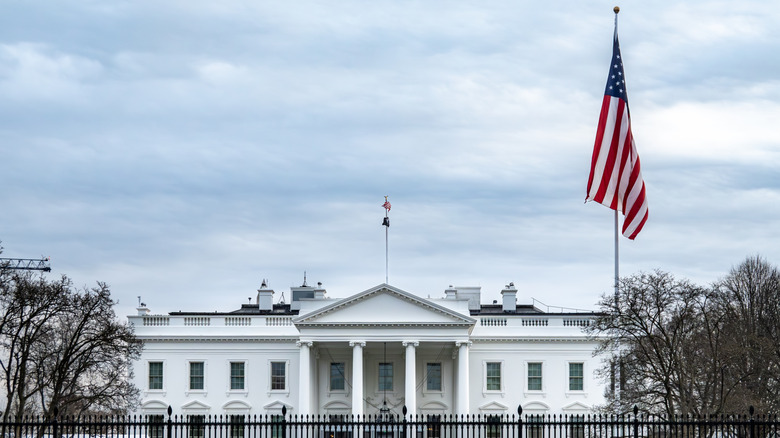
The working group focused on AI governance is expected to include representatives from various government agencies, including the Office of Science and Technology Policy, the Department of Commerce, and other relevant departments with expertise in technology and policy matters. These officials are tasked with developing detailed criteria that would guide the vetting process, determining which models require review and establishing timelines for evaluation. The group is also examining successful regulatory models from other industries to identify best practices that could be adapted for artificial intelligence oversight.
Key considerations for the regulatory framework include establishing clear thresholds for when review becomes mandatory, defining the specific technical and safety standards that models must meet, and determining how the vetting process would affect development timelines and innovation. Officials are also grappling with the challenge of creating regulations that are stringent enough to protect the public while remaining flexible enough to accommodate the rapid pace of technological advancement and competition in the AI technology sector.
The proposal has generated significant discussion within technology circles, with some industry leaders expressing cautious support for sensible regulations while others worry about potential burdensome compliance requirements. Companies developing large language models and other advanced AI systems have indicated that they are willing to engage with regulators to establish reasonable standards, provided that such regulations do not stifle innovation or create unfair competitive advantages for established players over emerging startups.
International considerations also factor heavily into the administration's regulatory thinking, as other nations including the European Union have already begun implementing their own artificial intelligence oversight measures. The global AI regulation landscape is rapidly evolving, and policymakers recognize that uncoordinated approaches across different jurisdictions could create fragmented standards that burden multinational companies. The White House is mindful of maintaining American competitiveness in artificial intelligence while also setting responsible governance precedents.
Experts in artificial intelligence safety and policy have largely welcomed the government's increased attention to oversight mechanisms, arguing that proactive regulation is preferable to reactive crisis management. They point to previous technology cycles where regulatory frameworks lagged behind innovation, leading to unintended consequences and public harm. By establishing vetting procedures early in the AI development cycle, the government could theoretically prevent issues before they escalate into larger societal problems.
The timeline for implementing such a regulatory framework remains uncertain, as the White House working group continues its deliberations and seeks input from stakeholders across the technology industry, academic institutions, and civil society organizations. Preliminary discussions suggest that any formal regulatory mechanism would likely take months to develop fully, though some interim guidance or voluntary standards could potentially be established sooner to address immediate concerns.
Public interest in AI model accountability and safety has intensified following several high-profile incidents and concerns raised by AI researchers about potential risks associated with increasingly powerful systems. Members of Congress from both parties have expressed interest in establishing baseline regulatory frameworks, indicating potential bipartisan support for some form of government oversight. This convergence of executive branch action and congressional interest suggests that meaningful AI regulation may be emerging as a genuine policy priority.
The proposed regulatory approach would likely distinguish between different types of AI systems based on their potential impact and risk profile. Systems with broader societal implications or higher risk potential would presumably face more rigorous vetting requirements, while less sensitive applications might require only minimal oversight. This tiered approach could help regulators focus resources on areas of greatest concern while avoiding excessive bureaucratic burden on lower-risk innovations.
Looking forward, the establishment of a functional AI vetting mechanism could serve as a foundation for more comprehensive governance frameworks as artificial intelligence continues to advance and integrate more deeply into critical sectors such as healthcare, finance, and national security. The White House's current initiative may ultimately represent a foundational step in what could become a more elaborate regulatory ecosystem as society grapples with the profound implications of artificial intelligence development and deployment.
Source: Engadget


