
White House Press Dinner Shooting: Chaos Unfolds

Gunshots erupt at White House correspondents' dinner as Trump dives for cover. Guests panic as shots ring out during high-profile event in Washington DC.
What began as an evening of anticipation and controversy transformed into moments of terror when gunshots suddenly shattered the atmosphere at the prestigious White House correspondents' dinner in Washington, DC on Saturday night. The exclusive gathering, traditionally one of the most significant events in the American political and media calendar, descended into chaos as attendees scrambled for safety and security personnel rushed to secure the premises.
President Donald Trump and First Lady Melania Trump had arrived at the event with visible optimism, taking their places at the high table despite considerable debate surrounding the president's attendance. The controversy stemmed from Trump's well-documented contentious relationship with the media establishment, characterized by frequent and aggressive verbal attacks on journalists and news organizations covering his administration. Political observers and media analysts had questioned whether the controversial invitation would set a constructive or confrontational tone for the evening's proceedings.
Security measures at the venue were notably robust, given both the high-profile attendees and the current political climate in Washington. The White House correspondents' dinner typically draws an elite crowd including members of Congress, cabinet officials, prominent journalists, entertainment industry figures, and international dignitaries. The event has historically served as a platform for satirical commentary on the political establishment and press, with a tradition of humorous roasting of sitting presidents regardless of party affiliation.

As the evening progressed and guests mingled during the initial reception and dinner service, the atmosphere remained thick with tension. Attendees were acutely aware of the unusual political dynamics at play, with Trump's presence generating considerable buzz among the assembled journalists, politicians, and media personalities. Conversations likely centered on what the president might say during his remarks and how he would respond to the traditional roasting typically delivered at such events.
Approximately thirty minutes after Trump and Melania had settled into their seats, the peaceful dinner was suddenly and violently interrupted. Multiple loud bangs echoed through the ballroom, their source initially unclear to panicked attendees. The sudden noise triggered an immediate and instinctive response from those present—the sounds of gunshots sent shockwaves through the crowd as diners attempted to comprehend what was happening.
The response was instantaneous and chaotic. Guests, their faces transitioning from smiles and pleasant conversation to expressions of shock and pure terror, immediately began seeking cover. Those positioned near the president's table witnessed Trump himself dropping to the ground for protection, while other attendees scrambled under tables and toward available cover points throughout the large ballroom.
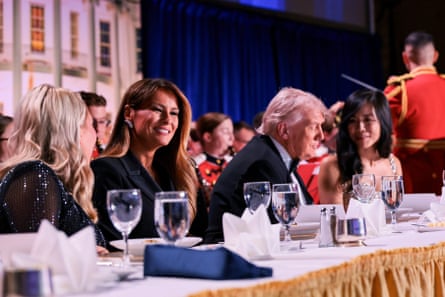
Panic spread rapidly through the venue as the chaos at the dinner intensified. Staff members and security personnel mobilized quickly, attempting to move guests to safety and secure the building's exits. The serene elegance of the formal dinner—with its carefully arranged seating, fine dining service, and orchestrated program—was replaced by the sounds of screaming, overturned chairs, and the urgent commands of security teams directing frightened attendees to secure areas.
The security response was swift and comprehensive, as Secret Service agents and other protective details moved to shield Trump and other potential targets. The incident highlighted the ever-present security challenges facing the president and other high-ranking officials, even at carefully controlled, vetted events. Emergency protocols that had been developed for exactly such scenarios were immediately activated as officials assessed the threat level and worked to restore order.
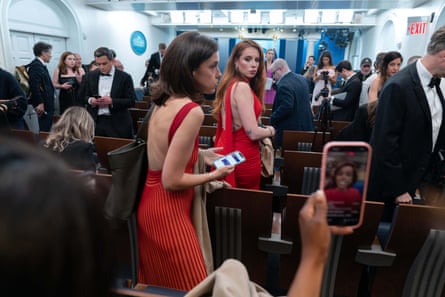
Journalists present at the event, trained to observe and document events even under extreme stress, began processing what they were witnessing. Many instantly recognized the magnitude of what was occurring—an apparent attack at one of Washington's most prestigious events, with the sitting president present. The professional instincts of media professionals to report clashed with the very human instinct for self-preservation as the situation unfolded.
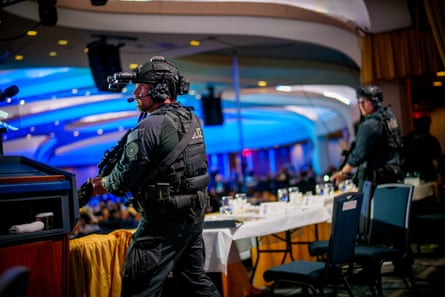
The incident at the White House event represented a serious breach of security at a location that was supposed to be among the most secure and carefully controlled environments in the nation's capital. The fact that such an event could occur at a gathering of this significance, with this level of attendance from government officials and protected persons, raised immediate questions about vulnerability and security protocols.
As emergency services responded and the initial confusion began to settle into a more organized evacuation process, details about the nature of the threat and any potential injuries remained unclear. The incident would immediately trigger investigations by multiple federal agencies, including the FBI and Secret Service, to determine what had occurred, who was responsible, and how such an event could happen at such a protected gathering.
The White House correspondents' dinner shooting would undoubtedly become a significant moment in recent American history, reshaping conversations about security, press-government relations, and political polarization. What had begun as a controversial but traditional media event had transformed into a security crisis that would dominate headlines and news cycles for weeks to come, with implications reaching far beyond the ballroom where the evening's events had so dramatically unfolded.
Source: The Guardian


