
WHO Approves First Malaria Drug for Babies

World Health Organization prequalifies Coartem Baby, the first malaria treatment designed specifically for newborns, marking a major public health breakthrough.
The World Health Organization has announced a landmark approval that promises to transform treatment options for one of the world's most vulnerable populations. The WHO prequalification of Coartem Baby represents a watershed moment in global public health, offering the first specifically formulated malaria treatment for babies that has been deemed safe for newborn use. This groundbreaking development eliminates the previous necessity to administer adult-formulated medications to infants, a practice that carried significant risks and dosing complications.
For decades, healthcare providers in malaria-endemic regions have faced an agonizing dilemma when treating infected infants. Newborns and young babies suffering from malaria had no dedicated treatment option, forcing medical professionals to make difficult choices about adapting adult medications for tiny bodies with developing organ systems. This dangerous practice not only increased the risk of adverse effects but also complicated accurate dosing for the smallest patients. The approval of Coartem Baby fundamentally changes this landscape, providing a solution specifically engineered for infants with proper formulations and dosages.
The burden of malaria in young children across Africa remains staggering despite decades of intervention efforts. Statistical data reveals that in certain regions of sub-Saharan Africa, up to 18% of children under six months will contract malaria, making it a persistent threat to infant survival and development. The disease's impact extends far beyond individual cases, as malaria kills hundreds of thousands annually, with 2024 recording approximately 610,000 deaths from the parasitic infection. Most tragically, about three-quarters of these deaths occurred in children under five years old in African nations, underscoring the disproportionate impact on the continent's youngest and most vulnerable populations.
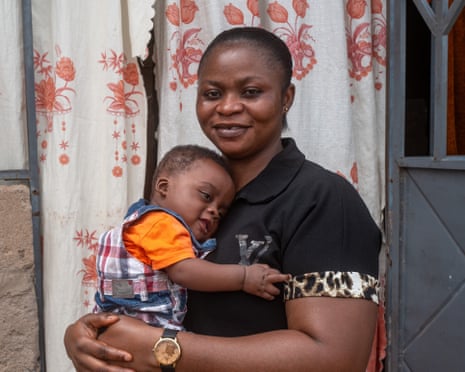
The development of baby malaria medication represents years of rigorous research, clinical trials, and safety testing by pharmaceutical companies and health organizations. Novartis, the manufacturer behind Coartem Baby, conducted extensive studies to ensure the formulation would be both effective and safe for the delicate systems of newborns and very young infants. The WHO's prequalification process itself involves comprehensive review of manufacturing standards, efficacy data, and safety profiles to ensure the medication meets the highest international standards before being made available to developing countries at affordable prices.
The implications of this approval extend far beyond the pharmaceutical breakthrough itself. With malaria treatment for newborns now available, healthcare systems across Africa and other malaria-endemic regions can implement more effective early intervention strategies. Parents and caregivers in high-risk areas will have access to a proven, age-appropriate medication that addresses the specific physiological needs of their youngest children. This approval is expected to catalyze broader adoption across public health programs, potentially preventing thousands of infant deaths annually once distribution networks are fully established.
Global health experts have characterized this approval as a transformative moment in the fight against malaria. Dr. officials from the WHO highlighted that having a dedicated infant formulation eliminates the guesswork and potential complications that come with adapting adult medications. The availability of proper pediatric dosing means that healthcare providers can administer treatment with confidence, knowing they are following evidence-based protocols specifically designed for babies. This standardization is particularly crucial in resource-limited settings where access to specialized medical expertise may be limited.
The pathway to approval involved collaboration between multiple stakeholders in the global health arena. Pharmaceutical manufacturers worked alongside academic research institutions to develop formulations that would be palatable, easy to administer, and suitable for babies who cannot swallow tablets or capsules. Regulatory bodies and the WHO itself carefully evaluated every aspect of safety and efficacy, requiring manufacturers to demonstrate not only that the drug works but that it can be safely produced and distributed consistently across different manufacturing facilities worldwide.
Distribution of Coartem Baby through established public health channels will be critical to maximizing its impact. The WHO prequalification enables the medication to be procured by developing countries, international health organizations, and NGOs at reduced costs through pooled purchasing arrangements. This pricing structure is essential for ensuring that the life-saving medication reaches the populations that need it most, particularly in low-income areas where malaria prevalence is highest and families have the least ability to pay for premium medications.
Healthcare workers in malaria-endemic countries will require training and education to maximize the benefits of this new treatment option. Educational programs are already being developed to ensure that clinic staff, community health workers, and medical professionals understand the proper dosing, administration, and monitoring protocols for the new infant formulation. This capacity-building effort is just as important as the medication itself, as effective deployment depends on knowledgeable healthcare providers who can identify malaria in babies, diagnose the condition accurately, and administer the appropriate treatment.
The broader context of malaria control efforts shows why this approval matters so profoundly. Despite significant progress in reducing malaria deaths over the past two decades through bed net distribution, indoor residual spraying, and other prevention measures, the disease continues to claim an unacceptable number of lives. Infants are particularly vulnerable because their immune systems are still developing, making them more susceptible to severe complications from malaria infection. By providing safe, effective treatment specifically designed for babies, the global health community now has another powerful tool to reduce mortality in this high-risk age group.
The approval also sends a crucial message about the importance of pediatric drug development. For too long, pharmaceutical development has focused primarily on adult medications, leaving gaps in treatment options for children and infants. This major public health milestone demonstrates that when there is sufficient demand and support from global health institutions, companies will invest in developing child-appropriate formulations. The success of Coartem Baby may inspire similar efforts to develop or optimize other pediatric medications, creating a positive ripple effect across global pharmaceutical development.
Looking forward, continued monitoring and evaluation of Coartem Baby's real-world effectiveness will be essential. Post-market surveillance programs will track how the medication performs in diverse settings across Africa and other regions, monitoring both effectiveness and any potential safety concerns that might emerge during widespread use. This ongoing evaluation ensures that the global health community can continuously improve understanding of the medication's performance and make any necessary adjustments to treatment protocols or distribution strategies based on field experience.
The approval of Coartem Baby ultimately represents a triumph of persistence and global collaboration in addressing one of humanity's most persistent health challenges. While malaria elimination remains a long-term goal, having a safe, effective treatment option for the most vulnerable segment of the population represents undeniable progress. This achievement should inspire continued investment in global health research and development, demonstrating that with sufficient commitment and resources, even the most challenging medical problems can be addressed through innovation and dedication to saving lives.
Source: The Guardian

