
WHO Declares DR Congo Ebola Outbreak Global Health Emergency

WHO declares Ebola outbreak in Democratic Republic of Congo a global health emergency with 246 cases and 80 deaths reported so far.
The World Health Organization has formally declared the Ebola outbreak occurring in the Democratic Republic of Congo a global health emergency, signaling heightened international concern over the viral hemorrhagic fever's spread. This declaration represents a significant escalation in the global response to the disease, triggering increased coordination among health authorities worldwide and mobilizing additional resources for containment and treatment efforts. The announcement underscores the serious nature of the situation while simultaneously acknowledging that the current outbreak has not yet reached pandemic status.
According to the latest epidemiological data released by the WHO, the DR Congo Ebola crisis has resulted in approximately 246 confirmed cases with 80 deaths documented to date. These figures represent a substantial health threat within the affected regions, though officials emphasize that rigorous surveillance and reporting mechanisms continue to monitor the situation closely. The case fatality rate observed in this particular outbreak requires careful analysis and continued epidemiological investigation to understand transmission patterns and vulnerability factors within affected populations.
Health officials have been careful to distinguish between the classification levels of public health emergencies, noting that while this outbreak meets the criteria for a global health emergency declaration, it does not currently satisfy the stringent requirements for classification as a pandemic emergency. This technical distinction carries important implications for the type and scale of international response mechanisms that will be activated. The WHO's measured approach reflects both the severity of the situation and the organization's commitment to proportionate, evidence-based public health responses.
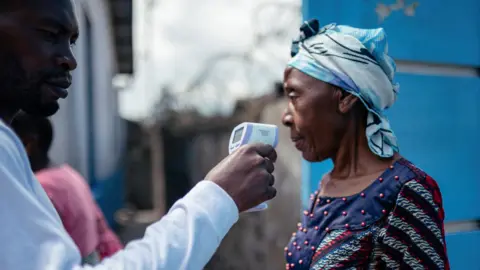
The Ebola virus outbreak in the Democratic Republic of Congo represents a critical juncture in global disease surveillance and outbreak response. Understanding the distinctions between different emergency classifications helps contextualize the response while ensuring that resources are allocated efficiently and appropriately. The WHO's declaration triggers enhanced monitoring protocols, increased sharing of epidemiological information among member states, and accelerated pathways for research and vaccine deployment to the affected region.
Previous Ebola epidemics have demonstrated the importance of rapid detection, swift mobilization of resources, and sustained international cooperation in controlling transmission. The 2014-2016 West African epidemic, the largest recorded Ebola outbreak in history, resulted in thousands of deaths and highlighted critical gaps in healthcare infrastructure and disease surveillance capabilities. Lessons learned from that catastrophic outbreak have informed current protocols and response strategies being implemented in the Democratic Republic of Congo.
The Democratic Republic of Congo has experienced multiple Ebola outbreaks over the past two decades, making it a focal point for hemorrhagic fever surveillance and containment efforts. The country's healthcare system continues to grapple with limited resources, challenging geographical terrain, and occasional security concerns that complicate outbreak response activities. Despite these obstacles, local health workers and international partners have demonstrated remarkable resilience and commitment to controlling transmission and providing care to affected individuals.
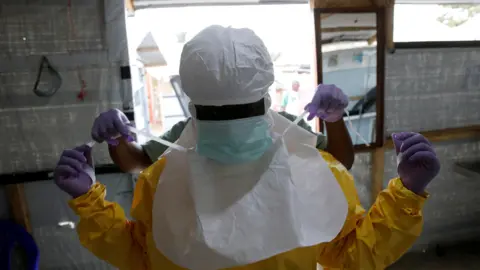
The recent declaration by the WHO reflects growing international concern about the outbreak's trajectory and potential for further geographic spread. Global health security depends on early identification and swift action to prevent infectious diseases from crossing international borders and establishing transmission chains in new populations. The organization's formal recognition of this public health emergency activates international mechanisms designed specifically to coordinate cross-border health responses and share critical information among nations.
Treatment protocols for Ebola have evolved substantially since the virus was first identified in 1976, with several therapeutic approaches now showing promise in clinical settings. Supportive care remains the cornerstone of Ebola treatment, focusing on maintaining fluid and electrolyte balance while managing complications such as hemorrhaging and organ dysfunction. Recent therapeutic innovations, including monoclonal antibody treatments developed through international research collaborations, have demonstrated potential in improving survival rates when administered early in the course of illness.
Vaccination strategies have become increasingly important in the global arsenal against Ebola, with several vaccine candidates having undergone accelerated development and testing protocols. The rVSV-ZEBOV vaccine, developed through an international partnership, has shown significant efficacy in preventing Ebola infection and has been deployed in ring vaccination campaigns throughout affected regions. These immunization efforts represent crucial components of comprehensive outbreak control strategies that also encompass surveillance, case management, and community engagement.
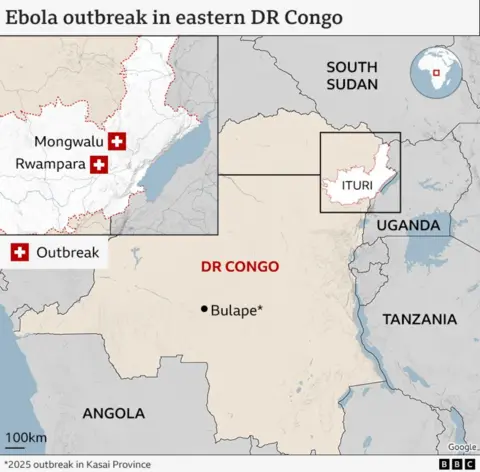
Community engagement and public health communication remain critical elements in controlling the spread of viral hemorrhagic fevers like Ebola. Misinformation and mistrust of health authorities can undermine outbreak response efforts, making transparent communication and culturally appropriate messaging essential components of successful interventions. Building trust within affected communities requires sustained engagement, honest communication about risks and benefits of interventions, and respect for local knowledge and practices.
The distinction between a global health emergency and a pandemic emergency carries implications for international travel and trade restrictions. While global health emergencies warrant heightened vigilance and coordinated international response, pandemic declarations typically trigger more extensive border control measures and economic consequences. The WHO's current classification suggests that while serious measures are warranted, there is no recommendation at this time for broad-based travel or trade restrictions that would further burden the affected region's economy.
Ongoing research into the origins and epidemiology of Ebola continues to reveal important information about how the virus circulates in animal populations and spills over into human communities. Understanding these zoonotic transmission pathways is essential for developing long-term prevention strategies that go beyond emergency response to address fundamental disease ecology. Wildlife contact practices, food preparation and handling methods, and occupational exposures among hunter and butcher populations require careful investigation and targeted intervention strategies.
The international community's response to the DR Congo Ebola outbreak demonstrates the importance of maintaining robust disease surveillance infrastructure and rapid response capabilities in vulnerable regions. Investment in local healthcare systems, training of health workers, and development of diagnostic and treatment capacity provide long-term benefits that extend beyond any single outbreak. Strengthening these foundational elements of global health security represents perhaps the most important strategy for preventing future epidemics from becoming international crises.
Looking forward, the WHO's declaration of a global health emergency will likely accelerate discussions about pandemic preparedness, funding for disease surveillance systems, and international cooperation mechanisms. The COVID-19 pandemic demonstrated both the critical importance of rapid global coordination and the challenges inherent in mounting effective international responses to emerging infectious disease threats. The response to this Ebola outbreak will provide valuable insights into how international health systems have evolved and where additional strengthening remains necessary.
Source: BBC News


