
WHO: Hantavirus May Have Spread Between Cruise Ship Passengers

WHO confirms two hantavirus cases on cruise ship with three deaths. Rare human-to-human transmission raises health concerns for maritime travel safety protocols.
The World Health Organization has raised significant concerns after confirming that hantavirus may have spread between passengers aboard a cruise ship, marking a rare instance of human-to-human transmission for a virus that typically infects individuals through contact with infected rodents. This development has prompted health officials worldwide to reassess safety protocols on commercial vessels and understand the mechanisms behind the unusual transmission pattern observed during this maritime outbreak.
According to WHO investigations, two confirmed cases of hantavirus infection have been documented among cruise ship passengers, and tragically, three individuals have lost their lives in connection with the outbreak. The deaths represent a concerning mortality rate and underscore the severity of hantavirus as a pathogenic threat, even in developed healthcare settings where infected individuals can receive immediate medical attention. Authorities are working urgently to trace the source of the initial infection and determine how the virus managed to spread from one passenger to another—a transmission route that medical professionals consider extremely unusual.
Hantavirus typically requires direct contact with infected rodent droppings, urine, or saliva for transmission to humans, or less commonly, through inhalation of contaminated aerosol particles. The virus does not normally spread from person to person, which makes this cruise ship incident particularly alarming to public health experts. The cruise ship outbreak represents one of the few documented cases of potential human-to-human hantavirus transmission, elevating concerns about whether the virus has undergone changes or whether specific environmental conditions aboard the vessel facilitated this atypical transmission route.
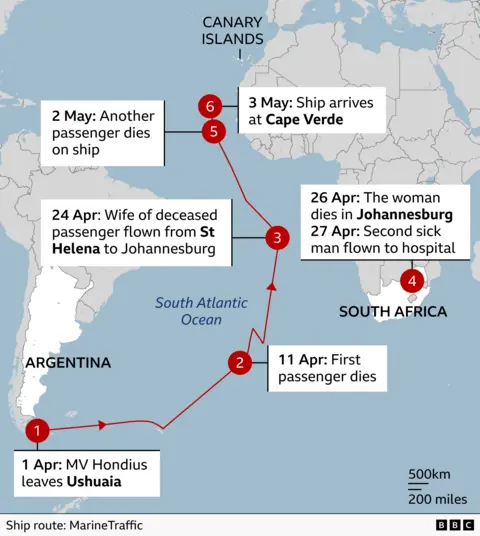
The cruise ship in question serves as a floating community where hundreds or thousands of passengers and crew members live in close quarters for extended periods. These unique environmental conditions may have created circumstances favorable for viral transmission that would be unlikely in typical land-based settings. Crowded accommodations, shared ventilation systems, dining facilities, and common areas could have all contributed to the spread of the virus if respiratory transmission occurred, though investigators are still working to confirm the exact mechanism of transmission between the affected passengers.
Initial investigations into the outbreak have focused on identifying the index case—the first person infected—and reconstructing their movements and interactions with other passengers and crew members. Understanding when and where the initial infection occurred is crucial for determining whether contamination originated from the ship's food supply, environmental sources, or potentially from an infected animal brought aboard. Health authorities are also examining whether the ship's ventilation, sanitation, and hygiene protocols may have inadvertently facilitated the spread of the virus to susceptible individuals.
The health emergency has prompted immediate action from maritime health authorities and disease control agencies. The affected cruise ship has undergone comprehensive disinfection procedures, and all passengers and crew members have been screened for symptoms of hantavirus infection. Individuals who came into close contact with confirmed cases have been placed under enhanced medical observation to detect any signs of illness. These precautions are essential for preventing further transmission and protecting public health both aboard the vessel and at ports of call.

Hantavirus infections present with serious complications that can rapidly deteriorate into life-threatening conditions. Symptoms typically begin with fever, muscle aches, and fatigue before progressing to more severe manifestations including respiratory distress, kidney dysfunction, and hemorrhagic complications. Some hantavirus strains are associated with hantavirus pulmonary syndrome, which carries a mortality rate of approximately 38 percent among confirmed cases, making this a particularly deadly pathogen. The three deaths reported in connection with this outbreak reflect the virus's dangerous nature and the challenges in treating severe infections.
Medical professionals emphasize that early diagnosis and supportive care can improve survival outcomes for hantavirus patients. Intensive care support, mechanical ventilation for respiratory compromise, and careful management of fluid balance and kidney function are essential components of treatment. However, no specific antiviral medication has been proven effective against hantavirus, making prevention and rapid identification of cases the most critical public health tools available.
The WHO has issued guidance to cruise ship operators and maritime health authorities regarding enhanced surveillance, sanitation, and passenger screening procedures. These recommendations include increased monitoring of crew members for signs of illness, improved food handling and storage protocols to prevent rodent contamination, and better communication systems for reporting potential disease cases. Cruise ship operators are being urged to implement stricter infectious disease control measures and to ensure that medical facilities aboard vessels are adequately equipped to identify and isolate suspected hantavirus cases.
This incident has raised broader questions about communicable disease prevention in the cruise ship industry, which carries millions of passengers annually across the globe. The close quarters, international passenger composition, and frequent port visits create ideal conditions for disease outbreaks, yet biosecurity protocols on many vessels may not be adequately designed to address rare and unusual pathogens like hantavirus. Industry stakeholders are now reassessing their disease prevention frameworks to identify gaps and implement improvements that could prevent similar incidents in the future.
Passengers who traveled on the affected vessel are being advised to monitor themselves for symptoms of hantavirus infection and to seek immediate medical attention if fever, muscle aches, or respiratory symptoms develop. Public health agencies in relevant countries have been notified and are maintaining vigilance for any additional cases that might emerge in coming weeks. The incubation period for hantavirus can extend up to five weeks, so continued monitoring remains important even as the immediate crisis surrounding the cruise ship outbreak is being managed.
This outbreak serves as a reminder of the ongoing challenges posed by emerging infectious diseases and the importance of robust public health infrastructure for detecting and responding to novel disease transmission patterns. The unusual human-to-human transmission observed in this case demonstrates that viruses can sometimes behave in unexpected ways, and that continued research and surveillance are necessary to understand how pathogens spread and evolve. Public health authorities worldwide will be studying this incident closely to extract lessons that can inform future disease prevention and outbreak response strategies.
Moving forward, the cruise ship industry and global health authorities must work collaboratively to strengthen defenses against infectious disease threats. This includes improving ventilation systems, enhancing sanitation protocols, training crew members in disease recognition and response, and establishing clear communication channels between maritime operators and public health agencies. The lessons learned from this hantavirus outbreak will likely shape maritime health policy for years to come and may serve as a catalyst for industry-wide improvements in infectious disease preparedness and response capabilities.
Source: BBC News


