
WHO Reassures Public: No Widespread Hantavirus Outbreak Detected

The World Health Organization states there are currently no signs of a larger hantavirus outbreak, though officials warn the situation remains fluid and additional cases may emerge.
The World Health Organization has issued a reassuring statement regarding the current hantavirus situation, indicating that there are presently no indicators of a widespread or larger outbreak occurring globally. However, officials from the international health agency have cautioned that the epidemiological landscape remains dynamic and unpredictable, with the potential for additional confirmed cases to emerge in the coming weeks and months.
According to the head of the WHO, while the agency continues to monitor the situation closely through its extensive global surveillance networks, the current evidence does not suggest that hantavirus transmission has escalated to outbreak proportions in any particular region. This measured assessment comes after careful evaluation of reported cases and epidemiological data collected from member states and partner organizations operating in affected areas.
Hantaviruses represent a group of negative-sense, single-stranded RNA viruses transmitted primarily through contact with infected rodent droppings, urine, or saliva. The virus can cause severe respiratory and hemorrhagic fever syndromes in human populations, making any potential outbreak a significant public health concern. Historical outbreaks, such as the Hantavirus Pulmonary Syndrome cases identified in the American Southwest during the 1990s, have demonstrated the serious nature of these pathogens.

Despite the WHO's current assessment that no large-scale outbreak is underway, health officials remain vigilant and have emphasized that this situation could potentially evolve. The organization acknowledges that increased surveillance activities, improved diagnostic capabilities in certain regions, and enhanced reporting mechanisms could lead to the identification of additional confirmed cases that were previously undetected or unreported.
The WHO maintains robust communication channels with national health authorities, regional disease surveillance networks, and international partners to ensure rapid information sharing should the epidemiological situation change. These coordinated monitoring efforts are essential for detecting emerging trends early and implementing timely public health responses before any potential outbreak reaches critical proportions.
Public health experts have noted that seasonal variations in rodent populations and human behaviors can influence the incidence of hantavirus cases. Certain periods of the year, particularly during warmer months when rodent activity increases and human-wildlife interactions become more frequent, may see temporary upticks in case reports. Understanding these temporal patterns helps health agencies distinguish between routine disease occurrence and true outbreak phenomena.
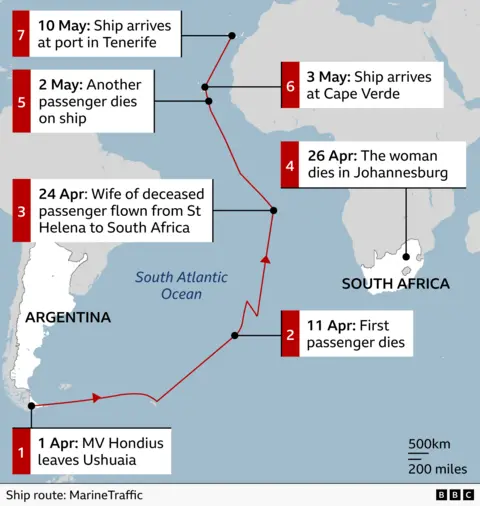
The WHO's cautious stance reflects the organization's commitment to balancing transparency with accuracy in communicating health risks to the public and to governments worldwide. By acknowledging that circumstances could change while providing current factual assessment, the agency aims to maintain public trust while avoiding both complacency and unnecessary alarm. This approach is consistent with WHO's established protocols for communicating evolving health emergencies.
Member states and health ministries worldwide have been advised to maintain heightened awareness regarding hantavirus transmission patterns and to ensure that diagnostic and reporting systems remain fully functional. Healthcare providers are encouraged to consider hantavirus in their differential diagnoses when evaluating patients presenting with fever, respiratory symptoms, or other clinical features consistent with viral hemorrhagic syndromes, particularly in endemic regions.
Environmental health initiatives continue to focus on rodent control measures, sanitation improvements, and community education about preventing exposure to potentially contaminated environments. These preventive strategies remain fundamental to reducing human cases, regardless of whether widespread outbreaks are currently documented. Educational campaigns emphasize proper protective equipment use and decontamination procedures for individuals working in high-risk occupational settings.
International laboratory networks have strengthened their capacity to identify and confirm hantavirus infections through molecular diagnostic techniques, contributing to more accurate case detection and surveillance data. These technological advances enable faster confirmation of suspected cases and allow for better tracking of viral variants circulating in different geographic regions. Improved diagnostics also help distinguish hantavirus cases from other febrile illnesses with similar clinical presentations.
The WHO's statement underscores the importance of continued investment in disease surveillance infrastructure, research on hantavirus epidemiology and transmission dynamics, and preparedness planning for potential outbreak scenarios. By maintaining these capabilities and partnerships during periods of relative stability, health systems are better positioned to respond effectively should the epidemiological situation deteriorate unexpectedly.
As the global health community continues monitoring this situation, the message from WHO leadership remains clear: while current evidence does not indicate a larger outbreak, the possibility of additional cases cannot be excluded, and continued vigilance and preparedness remain essential components of the public health response to this ongoing concern.
Source: BBC News

