
Why Ireland Boycotted Eurovision 2024

Ireland's decision to skip Eurovision reflects growing tensions over Gaza conflict. Explore the political reasons behind this historic boycott.
Ireland's absence from this year's Eurovision Song Contest marks a significant moment in the country's relationship with the annual musical competition and represents a broader geopolitical stance on international conflicts. The Irish public broadcaster Raidió Teilifís Éireann (RTÉ) announced its decision to withdraw from the prestigious event, citing concerns about the ongoing humanitarian crisis in Gaza and Ireland's position on the matter. This withdrawal has sparked considerable debate across Europe and beyond about the role of major cultural events in reflecting national political values.
The decision to exclude Ireland from Eurovision 2024 stems from escalating tensions between Dublin and Tel Aviv regarding Israel's military operations in Gaza. Ireland's Eurovision boycott is not an isolated incident but rather part of a coordinated pattern of diplomatic actions that have positioned the nation as increasingly critical of Israeli government policies. The Irish government and civil society have become vocal advocates for Palestinian rights, and this cultural withdrawal serves as a visible manifestation of that commitment.
Understanding the broader context requires examining Ireland's recent foreign policy trajectory on Middle Eastern affairs. In previous months, Ireland had already taken several symbolic steps to distance itself from Israeli policies, including supporting United Nations resolutions critical of Israel's actions and engaging in public discourse emphasizing the humanitarian dimensions of the conflict. The Gaza conflict has mobilized Irish public opinion significantly, with substantial portions of the population expressing solidarity with Palestinians and demanding their government take principled stances in international forums.
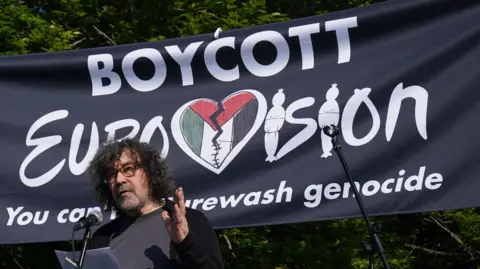
The RTÉ's formal withdrawal from Eurovision represents a watershed moment for Irish broadcasting and cultural diplomacy. As a public service media organization, RTÉ's decisions reflect broader societal values and government sensibilities, making this announcement particularly consequential. The broadcaster faced mounting pressure from various civil society organizations, political figures, and grassroots movements advocating for an Irish boycott of the competition on ethical grounds related to the humanitarian crisis.
Eurovision participation has traditionally been important for Ireland, with the country boasting a strong track record in the competition and considerable public enthusiasm for the annual spectacle. The decision to withdraw therefore carries symbolic weight beyond mere sporting or entertainment considerations. It demonstrates how cultural institutions can leverage their platforms to make political statements and how international events increasingly become battlegrounds for expressing national values and foreign policy preferences.
The timing of Ireland's boycott coincides with intensifying international scrutiny of Israel's military campaign in Gaza. Multiple countries and international organizations have raised concerns about civilian casualties, humanitarian access, and allegations of disproportionate force. Ireland, a nation with a historical tradition of supporting underdog causes and advocating for international justice, found itself increasingly at odds with the continuation of military operations that many Irish citizens view as inconsistent with humanitarian principles.
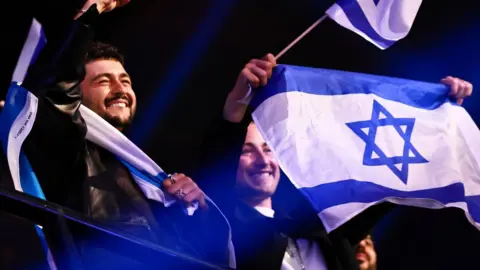
Public sentiment in Ireland regarding the Israel-Gaza conflict has become increasingly pronounced and visible. Large-scale protests have taken place in Dublin and other major cities, with thousands of Irish citizens demanding their government take stronger positions in support of Palestinian self-determination and against what many characterize as disproportionate Israeli military responses. This grassroots activism has created political momentum that extends into institutional decision-making, influencing everything from parliament votes to public broadcaster policies.
The broadcaster's decision must also be understood within the context of previous tensions between Eurovision host nations and participating countries. Eurovision, while fundamentally a song competition, has increasingly become a venue for expressing broader political and social values. Host countries and participating nations have leveraged the platform to make statements about everything from climate change to LGBTQ+ rights, establishing precedent for using the competition as a means of cultural and political expression.
Ireland's withdrawal raises important questions about the relationship between cultural institutions and political advocacy. Some commentators argue that major entertainment events should remain apolitical spaces focused purely on artistic merit and friendly international competition. Others contend that in an interconnected world facing serious humanitarian crises, cultural organizations have an ethical responsibility to align their participation with their values and the expressed wishes of their constituents. This debate reflects broader tensions in contemporary society about how institutions should respond to global injustices.

The Eurovision boycott decision carries implications for Ireland's international relationships and soft power. By withdrawing, Ireland signals to the broader international community that it prioritizes ethical considerations over the cultural prestige and competitive opportunities that Eurovision participation provides. This stance aligns Ireland with its historical identity as a nation that has often positioned itself as advocating for marginalized communities and challenging powerful actors in the international system.
RTÉ's statement accompanying the withdrawal emphasized the organization's commitment to public interest journalism and its responsibility to reflect the concerns of Irish citizens. The broadcaster acknowledged that the ongoing humanitarian crisis in Gaza represents a situation where cultural participation cannot be separated from political and ethical dimensions. This perspective suggests that major public institutions increasingly recognize the impossibility of maintaining strict neutrality on matters of significant international humanitarian concern.
Looking ahead, Ireland's boycott may influence other nations' participation decisions and could set precedent for how countries balance cultural engagement with political expression in international forums. The precedent established by Ireland's withdrawal might encourage other nations facing similar domestic pressure to reconsider their participation in major international events when significant humanitarian or political concerns are at stake. This could potentially reshape how countries approach their involvement in Eurovision and similar high-profile cultural competitions.

The broader implications of Ireland's boycott of Eurovision extend beyond the specific competition or even the Israeli-Palestinian conflict. The decision reflects evolving understandings about institutional responsibility, cultural diplomacy, and the role of entertainment in responding to global crises. As the world faces multiple simultaneous humanitarian emergencies, institutions are increasingly pressured to demonstrate that they are not indifferent to suffering and that their actions align with stated commitments to human rights and international justice.
In conclusion, Ireland's decision not to participate in Eurovision 2024 represents a convergence of grassroots activism, institutional responsibility, and evolving foreign policy priorities. The withdrawal signals Ireland's solidarity with Palestinian causes and its critique of Israeli military operations, making a cultural statement about where the nation stands on one of the world's most contentious geopolitical issues. As international events continue to become venues for political expression, decisions like Ireland's Eurovision boycott will likely continue shaping how nations navigate the intersection of culture, entertainment, and international relations in an increasingly polarized world.
Source: BBC News


