
Why Many Black Americans Critique Stephen A Smith

An open letter examining Stephen A Smith's HBCU advocacy versus his political commentary and how it affects his relationship with Black audiences.
The renowned ESPN personality has become a prominent figure in sports media, known for his passionate commentary and engaging presence on television. However, his public statements on political matters have sparked considerable debate within the Black community, prompting thoughtful reflection on how his various roles intersect and sometimes conflict with one another. This open letter explores the nuances of his influence and the reasons why some of his most ardent supporters feel alienated by certain aspects of his public persona.
Stephen A Smith's commitment to historically Black colleges and universities represents some of his most meaningful work outside of sports broadcasting. Through his tireless advocacy and promotional efforts, he has helped generate millions of dollars in scholarship funding for Black students pursuing higher education. His role as ambassador for the annual HBCU College Fair has been instrumental in raising awareness about these vital institutions and demonstrating their value to prospective students and families across the nation. The impact of his work in this space cannot be overstated, as it directly contributes to educational access and opportunity for countless young Black Americans.
The HBCU College Fair, which Smith actively promotes and supports, has successfully garnered over $12 million in scholarships for deserving students. Beyond the financial contributions, his consistent messaging about the unique community and nurturing environment that HBCUs provide has influenced enrollment decisions and helped reshape perceptions about these historically significant institutions. Smith's platform as a national media figure allows him to reach audiences that might not otherwise consider attending these colleges, making his advocacy particularly valuable in an era when HBCUs face ongoing challenges related to awareness and accessibility.
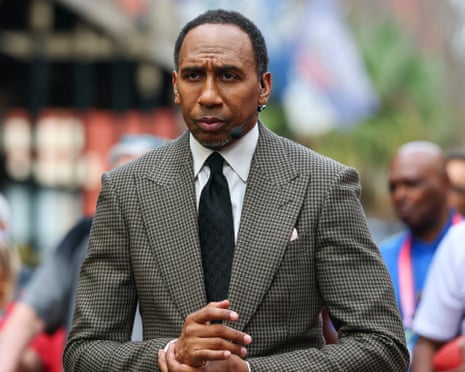
What makes Smith's situation particularly complex is the stark contrast between his educational advocacy and his political commentary. Many of his supporters, particularly within the Black community, have expressed concern about how his political positions and statements appear to contradict or minimize the interests of Black voters and Black political movements. This disconnect has created what some perceive as a contradiction between his stated commitment to Black educational advancement and his willingness to challenge or dismiss certain Black-centered political positions in his public commentary.
The challenge with separating Smith's various public roles is that they operate within the same sphere of influence. When he uses his platform to encourage Black students to pursue education at HBCUs, he does so with great passion and conviction. Yet when he addresses political topics affecting Black communities, his commentary sometimes strikes listeners as dismissive or contrarian to mainstream Black perspectives. This inconsistency in how he applies his considerable platform has led many Black audiences to question what his true priorities and allegiances are, and whether his HBCU advocacy is part of a larger commitment to Black advancement or a separate charitable endeavor.
The question of authenticity and alignment is central to why many Black people find themselves ambivalent about Smith's public presence. His work with HBCUs demonstrates that he possesses the capacity for deep, sustained commitment to Black institutional development. The time, energy, and resources he has dedicated to this cause show genuine investment in educational equity. However, his political commentary frequently appears to operate from a different set of principles, sometimes appearing to prioritize provocative takes or contrarian positions over solidarity with broader Black political interests.
Political alienation among his audience stems from what many perceive as a misalignment between words and actions. Smith's enthusiastic promotion of HBCUs represents concrete commitment to Black educational futures. His political statements, by contrast, often seem to reflect individualistic philosophy rather than community-centered perspectives. This dichotomy creates confusion among viewers who respect his educational work but feel disappointed or even betrayed by political positions that seem to undermine the very communities he claims to serve through his HBCU advocacy.
Understanding the full scope of Smith's influence requires acknowledging both dimensions of his work. His contributions to Black higher education are substantial and measurable, directly impacting real lives and creating genuine opportunities for students who might not otherwise access quality educational institutions. These contributions deserve recognition and respect. Simultaneously, his political commentary exists in the public record and shapes how audiences perceive his values and commitments, influencing whether they feel genuinely supported by him as a public figure or merely appreciated for one aspect of his work while feeling dismissed in another.
The letter to Smith articulates concerns that extend beyond individual disagreement with particular political positions. Rather, it addresses the structural problem of how a figure can be simultaneously helpful and harmful to Black communities depending on which aspect of his public presence is being considered. This creates an uncomfortable position for Black audiences who want to celebrate Smith's educational advocacy while also confronting his political commentary that many find problematic or misaligned with their own interests and perspectives.
Smith's situation illustrates a broader tension within Black public intellectual discourse: the challenge of maintaining consistency across different platforms and topics. When high-profile figures build significant capital through work on one issue, there are natural expectations that their other work will reflect similar commitments and values. The perception that Smith compartmentalizes his advocacy—being deeply committed to Black educational advancement while remaining detached or dismissive regarding Black political concerns—represents a failure to maintain the kind of integrated approach that would make him feel like a unified, trustworthy voice for Black advancement across multiple dimensions.
Moving forward, the question for Smith becomes whether he can integrate his various public roles into a more cohesive whole that reflects consistent values and commitments. His work with HBCUs demonstrates that he possesses the capacity for sustained, meaningful engagement with Black institutional development. Applying that same principle to his political engagement with Black communities could substantially shift how he is perceived and received by audiences currently experiencing cognitive dissonance between his educational advocacy and his political positions. The opportunity exists for him to become not just a supporter of Black educational access, but a fully committed public figure whose entire platform reflects commitment to Black advancement and empowerment across all dimensions of public life.
Source: The Guardian


