
Why Poundland Struggles Despite Cost-of-Living Crisis

Discover the surprising reasons behind Poundland's difficulties during the UK's cost-of-living crisis when budget retailers should be thriving.
The paradox facing Britain's high streets today presents a fascinating economic conundrum: while millions of consumers tighten their belts during an unprecedented cost-of-living crisis, some of the nation's most prominent budget retailers are experiencing significant challenges. This counterintuitive phenomenon has left economists, retail analysts, and consumers scratching their heads as stores that should theoretically be benefiting from increased demand for affordable goods find themselves struggling to maintain profitability and market position.
The UK retail landscape has undergone dramatic transformations in recent years, with traditional assumptions about consumer behavior during economic downturns being challenged by new market realities. Poundland, once considered the poster child for recession-proof retail, now faces a complex web of operational challenges that extend far beyond simple supply and demand economics. The discount retailer's difficulties illuminate broader issues affecting the entire budget retail sector, from supply chain disruptions to changing consumer expectations and the rise of alternative shopping channels.
Understanding this retail paradox requires examining the fundamental shifts in how British consumers approach value shopping during times of financial stress. While previous recessions saw clear migration patterns toward discount retailers, the current economic climate presents unique challenges that have disrupted traditional consumer behavior models. The rise of online shopping, the proliferation of promotional campaigns by mainstream retailers, and evolving perceptions of value have created a more competitive landscape than ever before.
One of the primary factors contributing to Poundland's struggles lies in the company's operational model, which was designed for a different economic era. The traditional pound shop concept, built on the promise of everything costing exactly one pound, has become increasingly difficult to maintain in an environment of persistent inflation and supply chain pressures. The company has been forced to introduce higher price points, diluting its core brand proposition and creating confusion among consumers who were drawn to the simplicity of uniform pricing.

The inflation impact on discount retailers has been particularly severe, as these businesses operate on notoriously thin margins that leave little room for absorbing increased costs. Unlike premium retailers who can more easily pass cost increases onto consumers, budget chains face the challenge of maintaining their low-price positioning while dealing with rising procurement, labor, and operational expenses. This squeeze has forced many discount retailers to make difficult decisions about product quality, range, and store investments that can ultimately impact customer satisfaction and loyalty.
Supply chain complexities have added another layer of difficulty for budget retail operations. The procurement strategies that enabled discount retailers to offer rock-bottom prices often relied on opportunistic buying, surplus inventory, and flexible sourcing arrangements. However, global supply chain disruptions, Brexit-related trade complications, and increased competition for discounted merchandise have made this model less reliable and more expensive to operate. Poundland and similar retailers now find themselves competing with larger, better-resourced competitors for the same pool of discounted goods.
Consumer behavior patterns during the current cost-of-living crisis have also evolved in unexpected ways. Rather than simply trading down to cheaper stores, many shoppers have adopted more sophisticated value-seeking strategies that include increased use of promotional offers, loyalty programs, and online comparison shopping. This behavioral shift has benefited established supermarket chains and online retailers who can offer competitive prices on branded goods, often making them more attractive than traditional discount stores selling unfamiliar brands.
The rise of alternative discount channels has further intensified competition in the budget retail space. Online marketplaces, direct-to-consumer brands, and membership-based wholesale clubs have expanded the options available to cost-conscious consumers. These alternatives often provide better perceived value by offering branded products at competitive prices, accompanied by the convenience of home delivery or bulk purchasing options that traditional pound shops cannot match.
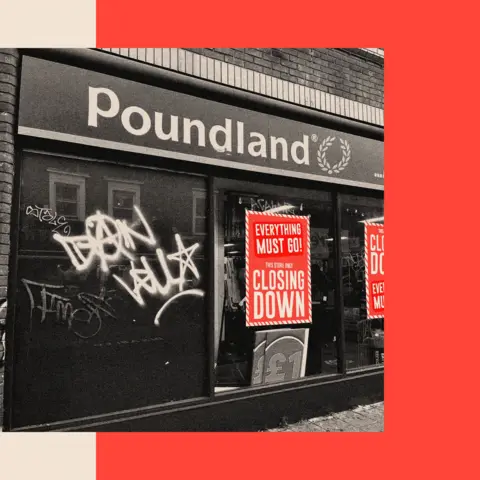
Real estate challenges have compounded the operational difficulties facing discount store chains. Many Poundland locations are situated in secondary retail locations or struggling high streets where footfall has declined significantly. The shift toward out-of-town retail parks and the continued growth of online shopping has reduced the natural customer traffic that these stores relied upon. Additionally, rising commercial rents and business rates have increased the fixed costs associated with maintaining physical store networks.
The competitive response from mainstream retailers has been particularly damaging to traditional discount chains. Supermarket giants like Tesco, ASDA, and Sainsbury's have launched aggressive value ranges and promotional campaigns that directly challenge the value proposition of pound shops. These retailers can leverage their superior buying power, established customer relationships, and multichannel capabilities to offer competitive prices while maintaining higher quality perceptions and greater product variety.
Technology adoption challenges have also hindered the ability of some budget retailers to compete effectively in the modern retail environment. While larger retailers have invested heavily in e-commerce platforms, mobile apps, and digital marketing capabilities, many discount chains have been slower to embrace these technologies. This digital divide has become increasingly problematic as consumers, even those shopping for value, expect seamless omnichannel experiences and the ability to research and compare prices online.
The quality perception issue represents another significant hurdle for traditional discount retailers. As consumers become more informed and selective about their purchases, even during financially constrained periods, they increasingly prioritize quality and durability over simple low prices. This trend has benefited retailers who can demonstrate clear value through branded products, quality assurance, and customer service, areas where traditional pound shops have historically been weaker.

Labor market dynamics have created additional pressures for discount retail operations. The tight labor market and increased minimum wage rates have raised staffing costs, while the challenging nature of discount retail work has made it difficult to attract and retain quality employees. Poor customer service and inadequate staffing levels can significantly impact the shopping experience, particularly important for retailers whose primary differentiator is supposed to be value and convenience.
Strategic positioning challenges have become more pronounced as the retail landscape has evolved. Poundland and similar retailers find themselves caught between ultra-low-cost online alternatives and more sophisticated value propositions from mainstream retailers. This 'squeezed middle' position makes it difficult to define a clear competitive advantage or target market, leading to confused marketing messages and inconsistent customer experiences.
The broader economic context of the current cost-of-living crisis differs significantly from previous recessions in ways that don't necessarily benefit traditional discount retailers. Government support programs, changes in employment patterns, and the specific nature of current inflation have created complex consumer spending patterns that don't follow historical precedents. Some consumers are cutting spending entirely rather than trading down, while others are being more selective about where and how they seek value.
Looking forward, the challenges facing Poundland and similar budget retailers highlight the need for significant business model evolution. Successful adaptation will likely require investments in technology, supply chain optimization, store format innovation, and brand repositioning. The retailers that thrive in this environment will be those that can redefine value proposition beyond simple low prices to include convenience, quality, and customer experience.

The implications of these struggles extend beyond individual retail chains to the broader health of UK high streets and communities. Budget retailers have traditionally played important roles in providing accessible shopping options for lower-income consumers and maintaining activity in secondary retail locations. Their decline could exacerbate retail deserts and reduce shopping options for vulnerable populations who rely on affordable, local retail provision.
This retail paradox ultimately demonstrates that success in the budget retail sector requires much more than simply offering low prices during tough economic times. The winners in this challenging environment will be those retailers who can combine competitive pricing with operational excellence, technological capability, and a deep understanding of evolving consumer needs and behaviors in an increasingly complex and competitive marketplace.
Source: BBC News

