
Why Tesla's One-Pedal Driving Isn't Causing Sudden Acceleration

Federal regulators say Tesla's one-pedal driving feature is not to blame for reports of parked electric vehicles suddenly accelerating. Experts explain how regenerative braking works and why this is not a safety issue.
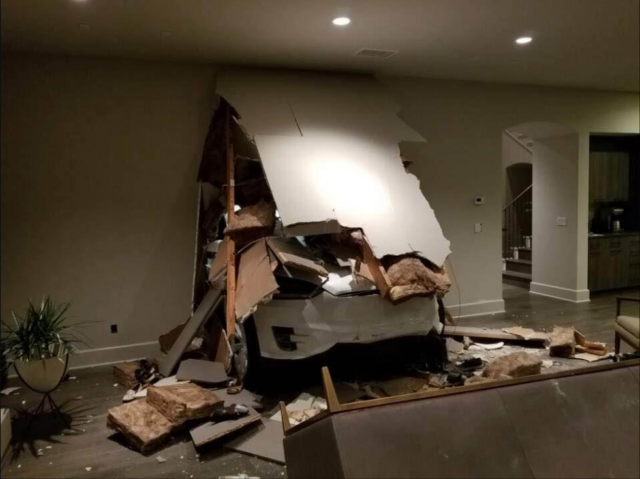
Tesla's one-pedal driving feature is not causing electric vehicles to suddenly accelerate when parked, according to federal regulators. Despite sporadic accusations over the years, the National Highway Traffic Safety Administration (NHTSA) has closed a defect petition without requiring Tesla to recall its electric cars.
The issue, known as "sudden unintended acceleration," is a long-standing concern for regulators. The question is whether the problem is a human one or an engineering one. Tesla's one-pedal driving system, which allows drivers to slow the car using only the accelerator, has been a target of these accusations. However, NHTSA has determined that this feature is not the root cause.
Electric motors are also generators, and EVs use regenerative braking to recover energy when slowing down, rather than wasting that kinetic energy as heat and sound through the friction brakes. In many battery EVs and hybrids, a brake-by-wire system blends the two together, allowing the driver to use the left pedal as normal and the car to slow down accordingly.
Some automakers, like Porsche, believe this is the only way a driver should slow their EV. But an electric motor can also be used to slow the car down without the friction brakes, which is the basis of one-pedal driving. This feature allows drivers to control the car's speed using only the accelerator pedal, which can improve efficiency and provide a more engaging driving experience.

Despite the concerns raised by some drivers, NHTSA has determined that Tesla's one-pedal driving feature is not the cause of sudden unintended acceleration. The agency has closed the defect petition without requiring a recall, indicating that the issue is likely not an engineering problem, but rather a human one.
Experts explain that the sudden acceleration claims are often the result of driver error, where the driver mistakenly presses the accelerator instead of the brake. This can be especially common in situations where the driver is used to a traditional internal combustion engine vehicle and is not yet fully accustomed to the behavior of an electric car.

As electric vehicles continue to gain popularity, it's important for drivers to familiarize themselves with the unique features and characteristics of these new technologies. While one-pedal driving can take some getting used to, NHTSA's decision shows that it is not a safety concern, but rather a matter of driver education and adaptation.
Source: Ars Technica


