
Why UK Railways Face Christmas Chaos Every Year

Britain's rail network closes for engineering work during Christmas, but is the festive period really the best time for major railway maintenance and repairs?
Every Christmas, British rail passengers face the same frustrating reality: railway closures and engineering works that transform what should be joyful festive journeys into logistical nightmares. While families attempt to reunite for the holidays, significant portions of the UK's rail infrastructure shut down for essential maintenance work, leaving travelers stranded or forced to navigate complex replacement bus services.
The timing of these Christmas engineering works has sparked intense debate among passengers, transport experts, and railway operators. Network Rail, the company responsible for maintaining Britain's railway infrastructure, consistently argues that the festive period provides the optimal window for major maintenance projects. Their reasoning centers on reduced passenger demand during the period between Christmas Eve and New Year's Day, when many businesses close and leisure travel traditionally decreases.
However, this logic fails to account for the millions of Britons who rely on rail transport to visit family and friends during the holidays. The festive rail disruption particularly impacts those traveling longer distances, as major intercity routes often bear the brunt of the most significant engineering projects. These closures can affect crucial connections between London and Scotland, services to Wales, and vital links across Northern England.
Railway industry insiders defend the Christmas timing by pointing to practical constraints that make alternative scheduling nearly impossible. During regular weekends throughout the year, engineering works must be compressed into tight 48-hour windows, limiting the scope of projects that can be undertaken. Complex infrastructure upgrades, track replacements, and signaling system installations require extended periods of track access that simply cannot be accommodated during normal operating schedules.

The financial implications of railway maintenance scheduling also play a crucial role in the Christmas timing decision. Extending engineering works across multiple weekends throughout the year would significantly increase costs, as each closure requires extensive planning, additional staffing, and coordination with replacement bus services. The concentrated Christmas approach allows Network Rail to maximize efficiency and minimize overall disruption to the annual timetable.
Transport economists argue that the current system represents a calculated trade-off between operational efficiency and passenger convenience. While Christmas closures undoubtedly frustrate holiday travelers, spreading equivalent maintenance work across the entire year would create more frequent, albeit smaller-scale, disruptions. This alternative approach could potentially impact business travelers and commuters more significantly than the current concentrated festive period closures.
The UK rail infrastructure faces unique challenges that compound the Christmas chaos. Much of Britain's railway network dates back to the Victorian era, requiring constant maintenance and periodic major upgrades to meet modern safety standards and passenger expectations. The age of the infrastructure means that planned maintenance cannot be indefinitely postponed without risking safety issues or service reliability problems throughout the year.
Climate change has added another layer of complexity to railway maintenance scheduling. Extreme weather events, from flooding to heat-induced track buckling, increasingly force unplanned closures during the year. These emergency repairs consume maintenance resources that might otherwise be available for scheduled weekend works, placing additional pressure on the Christmas window for major planned projects.

International comparisons reveal that Britain's approach to festive transport disruption is not unique, though the scale and impact may be more pronounced. Many European rail networks also schedule significant maintenance work during holiday periods when leisure travel patterns create lower overall demand. However, countries with more recent railway infrastructure often face fewer maintenance challenges and can complete works more quickly.
Passenger advocacy groups have consistently called for alternative approaches to Christmas railway planning. They propose that Network Rail should invest in faster, more efficient maintenance techniques that could reduce the duration of track closures. Advanced technologies, including automated track-laying equipment and prefabricated infrastructure components, could potentially minimize the time required for major projects.
The economic impact of Christmas rail service disruption extends beyond immediate passenger inconvenience. Tourism businesses in destinations typically accessed by rail report decreased visitor numbers during the festive period, as travelers choose alternative destinations with better transport links. Hotels, restaurants, and retail establishments in affected areas often experience reduced revenue during what should be one of their busiest periods.
Regional economic disparities are exacerbated by the pattern of Christmas railway closures. Areas with limited alternative transport options, particularly rural communities served primarily by rail connections, can become effectively isolated during major engineering works. This isolation impacts not only individual travelers but also local businesses and communities that depend on railway connectivity for economic vitality.
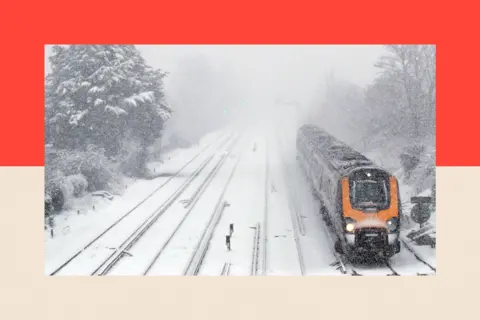
The psychological impact of recurring Christmas transport chaos should not be underestimated. Passengers develop negative associations with rail travel during the festive period, potentially influencing their transport choices throughout the year. This passenger confidence erosion may drive people toward private car use, contradicting broader environmental and sustainability goals that encourage public transport adoption.
Network Rail has attempted to mitigate passenger frustration through improved communication strategies and enhanced replacement bus services. However, these measures often fall short of addressing the fundamental inconvenience caused by major route closures during high-demand travel periods. Replacement buses typically take significantly longer than direct rail services and cannot accommodate the same passenger volumes as trains.
Looking toward the future, the railway industry faces pressure to develop more passenger-friendly maintenance strategies. Investment in predictive maintenance technologies could potentially identify infrastructure problems earlier, allowing for more targeted interventions during lower-impact periods. Advanced monitoring systems could extend the intervals between major maintenance projects, reducing the frequency of disruptive Christmas closures.
The debate over Christmas railway chaos ultimately reflects broader tensions within Britain's transport policy. Balancing operational efficiency, safety requirements, financial constraints, and passenger expectations requires difficult decisions that inevitably disappoint some stakeholders. Until significant technological advances or massive infrastructure investment change the fundamental maintenance requirements, Christmas railway disruption will likely remain an annual frustration for UK travelers.
Source: BBC News

