
WNBA Players' Million-Dollar Dreams Come True

New CBA deal transforms WNBA players' lives with $583k average salary. Stars plan homes, security, and legacy-building after years of financial struggle.
The Women's National Basketball Association is marking its 30th season with unprecedented financial momentum, as players celebrate a transformative moment in the league's history. The WNBA collective bargaining agreement negotiated by the Women's National Basketball Players Association (WNBPA) represents a watershed moment for professional women's sports, introducing structural changes that fundamentally reshape how revenue flows to athletes who have long struggled with financial instability.
Among the most significant innovations within this landmark deal is the introduction of a revenue sharing system that directly ties player compensation to league performance. This mechanism ensures that as the WNBA grows and generates increased profits, players benefit proportionally from that success. The agreement establishes an estimated average salary of $583,000, a figure that would have seemed almost impossible just months earlier when negotiations began.
The financial transformation extends across all compensation levels within the league. Every player now receives a minimum salary of $270,000, a dramatic quadfold increase from the previous $66,000 floor. Simultaneously, the ceiling for elite players has risen dramatically, with some of the league's biggest stars now earning as much as $1.4 million annually. This tiered increase affects players across experience levels, creating new opportunities for younger athletes while rewarding veterans who built the league's foundation.

Alysha Clark, a veteran forward for the Dallas Wings and vice-president of the WNBPA, expressed profound gratitude for the agreement's implications, describing the financial transformation as "amazing" in interviews with national media outlets. Clark emphasized that beyond the immediate salary increases, the deal fundamentally changes what becomes possible for current and future players. The agreement provides stability that has eluded women's basketball professionals throughout the league's existence, enabling athletes to plan long-term financial futures with confidence.
The newfound financial security is already translating into life-changing decisions for players and their families. Several athletes have publicly discussed using their increased earnings to purchase homes for their mothers and family members, a common refrain that speaks to generational wealth-building ambitions. For many players, homeownership represents not merely personal achievement but the ability to provide intergenerational stability and security for loved ones who supported their basketball careers.
Financial advisors working with WNBA athletes are reporting unprecedented interest in long-term wealth planning strategies. Players are now consulting with investment professionals about retirement savings, business ventures, and diversified income streams. The psychological shift from survival-mode thinking to strategic wealth accumulation represents one of the agreement's most profound effects, beyond what any salary figure alone could capture.

The path to this moment involved years of advocacy, negotiation, and unwavering commitment from players who refused to accept the status quo. The WNBPA leadership presented compelling data demonstrating the league's economic viability and the undeniable contributions women's basketball players make to league revenue generation. Player representatives highlighted increasing television viewership, expanding sponsorship deals, and growing fan engagement that justified substantively higher compensation structures.
Previous collective bargaining discussions had yielded incremental improvements, but none approached the magnitude of change represented in this agreement. The revenue sharing component particularly distinguishes this deal, as it aligns player interests with league success. Rather than negotiating fixed salary increases every few years, players now benefit directly from league growth, creating genuine partnership between athletes and management.
The financial security extends beyond individual players to impact the entire ecosystem surrounding professional women's basketball. Players who no longer face financial pressure to supplement WNBA income with international leagues during offseason months can focus on skill development, injury recovery, and personal pursuits. Some players have expressed interest in pursuing advanced education, starting businesses, or developing community initiatives that their previous financial circumstances precluded.
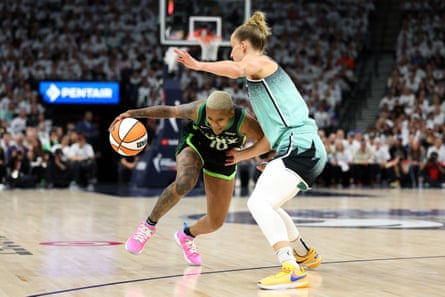
Younger players entering the league through the draft now face vastly different circumstances than their predecessors. A rookie in the 2026 season earns $270,000 minimum, providing immediate financial stability that allows focus on basketball development rather than desperate financial survival. This shift has profound implications for talent development, as emerging athletes can invest in training, coaching, and recovery without worry about meeting basic needs.
The agreement also includes provisions for enhanced benefits, improved working conditions, and expanded investment in player development infrastructure. These elements, while less visible than salary figures, contribute meaningfully to the overall quality of professional life for women's basketball players. Better healthcare coverage, expanded mental health support, and improved facility access demonstrate organizational commitment extending beyond minimum financial compensation.
Market analysts predict that the financial momentum established through this agreement will continue driving league growth. Media rights negotiations, sponsorship deals, and merchandising opportunities all stand to expand as the WNBA's commercial profile increases. Players positioned themselves advantageously in these negotiations by consistently demonstrating economic value and marketplace appeal that transcends historical undervaluation of women's sports.
The societal implications of this shift extend far beyond basketball courts. Young girls now see clear pathways toward athletic careers with genuine financial viability, potentially motivating increased investment in women's youth sports programs. College basketball programs for women benefit from enhanced prestige and opportunity visibility, potentially attracting top talent to develop professional ambitions.
Veteran players who persevered through decades of financial instability now witness vindication of their commitment and sacrifice. Many played in an era when professional women's basketball salaries barely covered living expenses in team cities, forcing athletes to rely on endorsements, family support, or offseason employment. Seeing current players benefit from their foundational work provides emotional resolution for those who helped build the league's infrastructure.
The WNBA's 30th season milestone carries symbolic weight that amplifies the significance of these financial transformations. Three decades of continuous operation, despite numerous economic challenges and structural obstacles, positioned the league for this moment of breakthrough. The anniversary celebration becomes not merely historical acknowledgment but celebration of a more promising future for professional women's basketball.
Looking forward, players, league officials, and sports observers anticipate continued positive momentum. The financial incentives created through revenue sharing should drive ongoing league expansion, talent development investment, and marketing initiatives that reach broader audiences. The agreement fundamentally repositioned women's professional basketball as a viable career path worthy of serious athletic ambition and financial commitment from aspiring players worldwide.
Source: The Guardian


