
WNBA's 30th Season: Can $850M Growth Stay Strong?

The WNBA celebrates 30 seasons with record franchise valuations and salary increases. But can this explosive growth in women's basketball remain sustainable long-term?
Women's professional sports have entered a transformative era of unprecedented expansion and investment. The WNBA's 30th season arrival marks a pivotal moment in the league's evolution, characterized by remarkable financial growth, athlete empowerment through improved compensation packages, and the strategic introduction of new franchises designed to broaden the league's geographic and cultural footprint across North America.
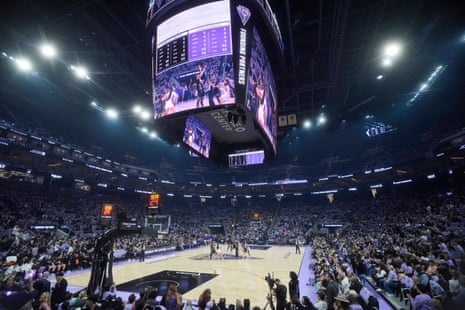
Opening night festivities typically overflow with forward-looking enthusiasm and celebratory energy, yet the New York Liberty chose to honor their legacy by donning special "court origins" uniforms during their Friday matchup against the Connecticut Sun. This deliberate nod to basketball history served as a poignant reminder that the Liberty stands among the WNBA's eight founding members, a distinction that underscores the organization's institutional significance and deep roots within professional women's athletics.
The path to this milestone season proved anything but straightforward. Contentious negotiations between the players' union and league management created considerable uncertainty about whether the new campaign would commence on schedule. These discussions centered on fundamental questions about player compensation, working conditions, and the league's commitment to equitable treatment of its athletes compared to their male counterparts in professional basketball.
The breakthrough came when both parties reached a comprehensive agreement that delivered substantial salary increases for players and represents a watershed moment in professional women's basketball history. This accord reflects the league's recognition of player value and market demand while simultaneously positioning the organization for continued growth and sustainability in the competitive landscape of professional sports entertainment.
The financial implications of this new era cannot be overstated. Franchise valuations have climbed to unprecedented levels, with several teams now commanding eight-figure valuations that seemed impossible just a few years earlier. This dramatic increase in asset value reflects investor confidence in the league's business model, growing television audiences, and expanding corporate sponsorship commitments that demonstrate mainstream recognition of women's basketball as a legitimate entertainment property.
The $850 million franchise valuation milestone represents more than mere numerical achievement—it symbolizes fundamental shifts in how professional women's sports are perceived and valued by stakeholders across the business and entertainment sectors. Ownership groups increasingly view WNBA franchises not as passion projects with uncertain returns, but as genuine commercial enterprises with strong growth trajectories and expanding revenue streams.
Player salaries have experienced corresponding increases that reflect the league's expanding financial capacity. The new collective bargaining agreement ensures that athletes receive more equitable compensation relative to league revenues, addressing longstanding grievances about the substantial gap between WNBA and NBA player earnings. These improvements make professional women's basketball increasingly attractive as a career destination for elite athletes who might otherwise pursue opportunities internationally or in other sports.
Beyond salary adjustments, the agreement encompasses broader improvements in working conditions, travel accommodations, and benefits that enhance player quality of life and demonstrate institutional commitment to treating women's basketball as a major league operation deserving of first-class treatment and resources.

The league's expansion strategy represents another crucial component of its growth narrative. New franchises entering the WNBA bring fresh markets, diverse fan bases, and additional revenue opportunities that strengthen the overall ecosystem. The introduction of new teams also requires investment in facilities, personnel, and marketing infrastructure that generates economic activity across multiple sectors and regions.
Revived franchises returning to the league after dormant periods similarly contribute to WNBA expansion momentum. These resurrections signal investor confidence in the fundamental viability of women's professional basketball and demonstrate that the league can sustain operations across multiple cities simultaneously while maintaining competitive balance and fan engagement.
Sustainability concerns remain legitimate despite obvious positive indicators. The question of whether current growth rates and investment levels can continue indefinitely warrants careful analysis. Professional sports leagues face cyclical market forces, changing media consumption patterns, and competitive pressures from alternative entertainment options that could potentially constrain future expansion opportunities.
Media revenue represents a critical factor in assessing long-term sustainability prospects. Television contracts and streaming rights agreements have expanded significantly, reflecting increased audience interest and advertiser enthusiasm for women's basketball content. However, the continued growth of these revenue streams depends on maintaining and expanding viewership levels while competing against established sports properties with deeper historical fan bases and institutional advantages.

Sponsorship and corporate partnership commitments provide additional financial support that bolsters league revenues and individual franchise operations. Major brands increasingly recognize the marketing value of associating with women's professional basketball and view WNBA partnerships as vehicles for reaching engaged female audiences and demonstrating corporate commitment to gender equity in sports.
The talent pipeline emerging from collegiate women's basketball programs ensures that the WNBA continues to access elite athletes capable of producing compelling on-court entertainment. University programs have invested substantially in women's basketball infrastructure, recruitment, and development, creating a robust system for identifying and nurturing future professional talent.
International recruitment also expands the talent pool available to WNBA teams, enabling franchises to assemble competitive rosters while simultaneously introducing international audiences to professional women's basketball. This global dimension of league operations creates opportunities for expanded international broadcast partnerships and merchandise sales that diversify revenue streams.
Fan engagement metrics suggest that core audiences remain deeply invested in following their favorite WNBA teams and players. Social media presence, merchandise sales, and attendance figures at games all indicate healthy demand for women's basketball entertainment across multiple demographic segments.
The league's ability to develop marquee players and compelling narratives remains essential for sustaining fan interest and commercial viability. Individual athletes with distinctive personalities, exceptional skills, and media appeal can drive attendance, television viewership, and merchandise sales that benefit their respective franchises and the league overall.
Looking forward, the WNBA faces both remarkable opportunities and genuine sustainability challenges. The league's 30-year milestone provides an appropriate moment for reflection on achievements while simultaneously assessing future prospects and potential obstacles to continued growth. The agreement between management and players demonstrates mutual commitment to building a stronger, more sustainable enterprise that benefits all stakeholders.
The coming seasons will reveal whether current momentum can be sustained and whether the league's financial fundamentals remain robust in the face of changing market conditions. Continued investment in marketing, facilities, and athlete development will prove crucial for maintaining competitive advantages and expanding the WNBA's share of sports entertainment spending. As women's professional basketball continues its evolution, the decisions made during this pivotal period will likely determine whether the league achieves long-term stability and prosperity or encounters headwinds that moderate its growth trajectory.
Source: The Guardian


