
WNBA Tightens Foul Calls: Impact on Player Safety

WNBA referees crack down on physicality with increased foul calls. Explore how stricter officiating affects player safety and game dynamics.
The WNBA has implemented a significant shift in officiating standards following widespread criticism about inconsistency in the previous season. A dedicated taskforce was assembled to address concerns raised by players, coaches, and fans alike, leading to a comprehensive review of how the game's rules are being enforced on the court. This strategic initiative represents one of the most substantial changes to the league's approach to foul calls in recent years, fundamentally altering how teams must approach defensive strategies and physical play.
The ramifications of this officiating overhaul became starkly evident during a pivotal matchup between the Chicago Sky and the Minnesota Lynx, where the increased emphasis on physicality enforcement collided with the physical realities of professional basketball. Throughout the game, referees maintained a heightened awareness of contact, calling fouls at a noticeably elevated rate compared to seasons past. The adjustments demand that defenders modify their techniques while maintaining their competitive edge, creating a delicate balance that teams are still learning to navigate.
One of the most sobering moments of the season unfolded during the second quarter when Rickea Jackson, a promising talent recently acquired by the Sky through an offseason trade, found herself driving toward the basket with determined focus. Just moments before her catastrophic injury, Jackson had successfully navigated through physical contact, demonstrating the type of resilience that characterizes elite athletes. However, midway through her drive, Jackson suddenly lurched backward in an unnatural motion and collapsed to the court, immediately clutching her left knee in apparent agony.

The severity of Jackson's injury became apparent in the days following the incident when team medical staff completed their diagnostic evaluation. Chicago Sky officials announced that Jackson would be sidelined for the remainder of the 2026 season after being diagnosed with a torn ACL, one of the most serious injuries a basketball player can sustain. For Jackson, who was just beginning her tenure with the Sky after the team invested in acquiring her talent, the news represented a devastating setback to what had promised to be an exciting new chapter in her professional career.
The Jackson incident has intensified an ongoing debate within the WNBA community about whether the stricter foul enforcement is genuinely protecting player safety or creating unintended consequences. Critics argue that while eliminating excessive physicality is important, the dramatic increase in called fouls may be affecting game flow and fundamentally changing how the sport is played at the professional level. Conversely, advocates for the stricter standards maintain that reducing harmful contact is essential for protecting athletes from preventable injuries.
Players throughout the league have had to make substantial adjustments to their defensive approaches, learning to maintain intensity while avoiding the technical fouls that have become far more common under the new regime. Coaches have begun implementing specialized training sessions focused on teaching defenders how to play effective defense without crossing the line into problematic contact. This pedagogical shift has occupied significant portions of practice time, with teams recognizing that adaptation is critical for competitive success in this new environment.
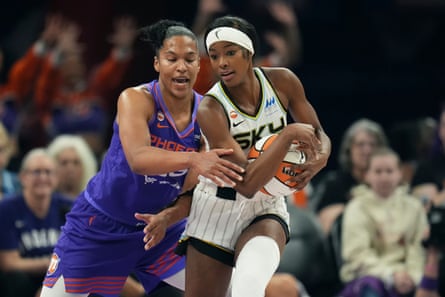
The statistical evidence supports the reality of increased foul call frequency throughout the league. Data from the first several weeks of the 2026 season shows a measurable uptick in flagrant fouls, technical fouls, and standard fouls across all games, reflecting the taskforce's mandate to enforce the rules more consistently and stringently. Some analysts have noted that this increase appears to be trending toward stabilization as teams complete their adjustment period, suggesting that once the learning curve is fully navigated, the new normal may become more predictable.
The taskforce that implemented these changes conducted extensive research analyzing game film from previous seasons, interviewing players and coaches, and studying how other professional leagues handle similar officiating challenges. Their findings revealed patterns of inconsistency that had created frustration throughout the organization, with some teams appearing to receive more favorable treatment than others depending on various factors. The goal of standardization—ensuring that the same standards apply equally regardless of team, location, or game circumstances—represented the core mission of the reform effort.
Beyond the immediate impact on games and statistics, the WNBA officiating changes raise important questions about player welfare and the long-term health of professional athletes. Some medical professionals and safety advocates have praised the stricter enforcement, arguing that reducing physical contact helps prevent the types of catastrophic injuries that have sidelined elite performers throughout the season. Others worry that the unpredictability of officiating decisions might actually create more dangerous situations as players adjust their movements in response to foul threats.
Looking forward, the WNBA league appears committed to maintaining these stricter standards while remaining open to refinement based on accumulated experience. Commissioner statements suggest that ongoing monitoring will occur, with officials prepared to make adjustments if evidence emerges that the current approach is producing unintended negative consequences. The league's dedication to finding the appropriate balance between protecting players and preserving the sport's competitive integrity reflects the complex challenges facing modern professional athletics.
For players like Rickea Jackson and countless others navigating this new officiating landscape, the reality is that they must adapt quickly to survive and thrive. The Sky and other franchises are investing in the specialized coaching and training necessary to help their athletes succeed under these conditions. Whether the stricter enforcement ultimately proves beneficial or problematic may take an entire season or more to fully determine, but the decision has been made and implementation is proceeding across the league. The coming weeks and months will provide crucial data about whether this bold officiating overhaul achieves its intended goals of improving consistency, protecting players, and enhancing the overall quality of women's professional basketball.
Source: The Guardian


