
Woman Drowns in £26k Debt While Fighting Poverty

A woman's financial struggles escalated to £26,000 in debts after seeking help from charity over heating issues. Her story reveals the harsh realities of poverty.
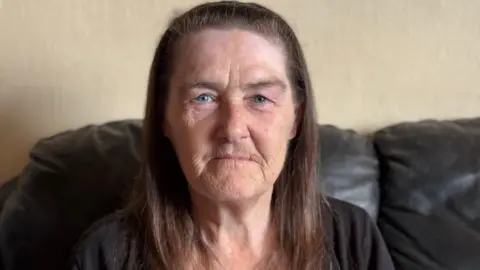
Gaynor Lake's journey into financial hardship serves as a stark reminder of how quickly debt can accumulate when individuals face multiple crises simultaneously. Her situation began innocuously enough—with a heating problem in her home that should have been a straightforward repair. However, what started as a simple maintenance issue would spiral into a complex web of financial obligations that would eventually total an alarming £26,000.
The poverty cycle that ensnared Lake demonstrates how vulnerable families can find themselves trapped when essential services fail and support systems prove inadequate. When she initially contacted a charity organization seeking assistance with her heating concerns, she was hoping for a quick resolution to keep her home warm during the colder months. Instead, the experience would open her eyes to the broader systemic issues affecting her financial stability and living conditions.
Heating difficulties in rental properties often represent more than just comfort issues—they can escalate into serious health hazards, particularly for vulnerable populations. Without adequate warmth, residents face increased risks of respiratory infections, exacerbated chronic health conditions, and general deterioration of their quality of life. Lake's struggle to get her heating fixed highlights the persistent problems within the housing sector where landlords sometimes neglect essential maintenance responsibilities.
The financial burden that accompanied Lake's housing crisis extended far beyond simple repair costs. As her heating problem remained unresolved, she found herself forced to purchase alternative heating solutions—space heaters, extra blankets, and additional fuel costs that placed severe strain on her already limited budget. These temporary measures, while necessary for survival, represented an inefficient use of scarce financial resources that could have been directed toward other essential needs.
According to the charity workers who assisted Lake, her case exemplifies a troubling trend among individuals living in precarious housing situations. Many people facing similar circumstances lack the legal knowledge or financial resources to compel their landlords to complete necessary repairs, leaving them in uncomfortable and sometimes dangerous living conditions. The power imbalance between tenants and landlords often means that vulnerable renters suffer silently rather than risk eviction by complaining about substandard conditions.
Lake's accumulated debts suggest that her financial difficulties extended beyond the heating crisis itself. Debt accumulation typically occurs through a cascade of interconnected problems—missed rent payments, utility arrears, food bank reliance, and emergency borrowing at high interest rates. Each financial setback compounds the previous one, creating an almost impossible situation for individuals without adequate safety nets or financial reserves to weather temporary crises.
The decision to seek charity assistance represents a crucial turning point for many individuals in Lake's position. Charities and support organizations often serve as the final lifeline for people who have exhausted traditional avenues of help, including family support, government benefits, and employer assistance. These organizations provide not only immediate material relief but also crucial guidance on navigating complex benefit systems and accessing additional support services.
Understanding the root causes of Lake's financial crisis requires examining the broader economic context affecting low-income households across the United Kingdom. Rising living costs, stagnant wages, and the erosion of social safety nets have created perfect conditions for individuals and families to slip into chronic poverty. Housing costs, energy bills, and essential living expenses have all increased significantly while income support has failed to keep pace, pushing millions toward precarious financial situations.
The charity that Lake contacted plays a vital role in documenting and publicizing cases like hers. By bringing attention to individual stories, these organizations help policymakers and the general public understand the human impact of systemic failures and economic inequality. Lake's case is far from unique—thousands of people face similar combinations of housing problems, energy poverty, and mounting debt each year across the country.
Moving forward, Lake's situation underscores the critical need for stronger tenant protections and enforcement mechanisms. Landlords should be held accountable for maintaining properties to basic standards, and renters should have accessible channels for reporting violations without fear of retaliation. Additionally, energy poverty solutions must be prioritized to prevent vulnerable households from choosing between heating their homes and purchasing other essentials like food and medication.
The £26,000 debt figure attached to Lake's story represents not just numbers on paper but the tangible consequences of failed systems and inadequate support. For individuals in her position, recovery requires a multifaceted approach including debt counseling, benefit optimization, affordable housing access, and living wage employment opportunities. Without comprehensive support, individuals like Lake face years of struggling with debt and its cascading negative effects on health, employment, and overall quality of life.
Lake's experience also highlights the importance of early intervention and prevention. If proper repair obligations had been enforced initially, if energy support programs had been adequate, or if she had access to emergency financial assistance, the trajectory of her situation might have been entirely different. Her story serves as a compelling case study for why investment in preventive social policies ultimately costs less than managing the consequences of widespread poverty and homelessness.
As Lake works with her chosen charity to address her mounting debts, her case becomes part of an important conversation about social support, housing rights, and economic justice. The work of these organizations in supporting individuals like her remains essential while systemic changes are pursued at policy levels. Her story, while deeply personal, represents a broader crisis affecting millions of people attempting to maintain stable housing and financial security in an increasingly challenging economic landscape.
Source: BBC News


