
Workers Back Union AI Protections: 90% Support

New AFL-CIO poll reveals overwhelming worker support for union-backed AI policies, with 95% backing human decision-making requirements in employment matters.
A groundbreaking new survey has revealed that US workers overwhelmingly support union-backed artificial intelligence policies, signaling a strong desire for labor protections in an increasingly AI-driven workplace. The comprehensive poll, released by the AFL-CIO—the nation's largest federation of labor unions—demonstrates that nearly nine out of every 10 American workers favor pro-worker policies on artificial intelligence designed to safeguard employment rights and worker welfare.
The findings come at a critical moment as organizations across industries accelerate their adoption of AI technologies, raising concerns among workers and labor advocates about job displacement, wage stagnation, and erosion of workplace rights. The AFL-CIO's research reveals that workers are not only concerned about these issues but are actively seeking union involvement in shaping how AI is implemented in their workplaces. This sentiment represents a significant shift in worker consciousness regarding the intersection of technology and labor rights.
According to the survey data, workers view labor unions as the most reliable protectors against potential negative consequences of artificial intelligence adoption. This finding underscores growing worker skepticism toward corporate self-regulation and government oversight alone, with many believing that organized labor represents their best defense against unfair AI-driven employment practices. The poll indicates that workers have substantial faith in unions' ability to negotiate protections that would otherwise be unavailable to individual employees.
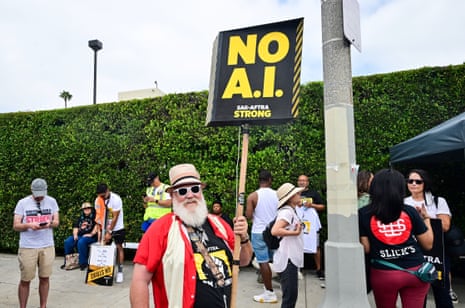
One of the most striking findings from the survey involves human decision-making requirements in employment. An impressive 95% of workers surveyed expressed support for policies mandating that a human being serve as the final decision maker on any issues that directly affect individual workers and their employment status. This overwhelming consensus suggests that workers are deeply uncomfortable with fully automated AI systems making consequential decisions about hiring, firing, promotions, or other employment matters that could significantly impact their livelihoods.
This requirement for human oversight reflects broader anxieties about algorithmic bias, lack of transparency, and the inability of workers to appeal or understand decisions made by opaque AI systems. Workers recognize that algorithms, while potentially efficient, can perpetuate discrimination and fail to account for human nuance and context that often prove essential in employment decisions. The strong support for this policy indicates that workers are not opposed to AI technology itself, but rather to its unchecked application in areas where human judgment and accountability are essential.
The AFL-CIO poll also examined worker attitudes toward various AI labor protection measures that unions might prioritize in contract negotiations and legislative advocacy. Beyond the human decision-making requirement, workers demonstrated substantial support for policies addressing transparency in AI use, the right to be informed when AI systems are evaluating their performance, and provisions for retraining and income protection for workers displaced by automation. These findings suggest a sophisticated understanding among workers of what meaningful AI protections would look like in practice.
Transparency emerged as another key concern in worker preferences, with majorities supporting requirements that employers disclose when and how they are using AI systems to monitor, evaluate, or make decisions about workers. Workers expressed frustration with current practices where employers implement surveillance and evaluation technologies without adequate notice or explanation. The desire for transparency reflects a broader principle that workers should understand the systems affecting their employment and have opportunities to challenge or appeal decisions made through AI processes.
The polling data also revealed strong support for worker retraining and displacement protections as companies implement AI technologies that might eliminate certain job categories or reduce workforce requirements. Workers recognize that even if AI creates new opportunities in some sectors, it may also disrupt existing employment relationships and render certain skill sets obsolete. There is clear sentiment that companies benefiting from AI-driven productivity gains should bear some responsibility for helping affected workers transition to new roles or industries.
Industry analysts note that these poll results carry significant implications for both corporate AI strategy and legislative efforts at federal and state levels. The AFL-CIO's research provides substantial evidence that labor unions can mobilize worker support around AI governance issues, potentially making worker protections a centerpiece of union organizing and contract negotiations in coming years. This could prompt companies to reconsider how they implement AI technologies and develop policies that account for worker concerns about fairness, transparency, and human oversight.
The timing of this poll is particularly significant given ongoing debates in Congress about AI regulation and the role of labor protections in comprehensive AI governance frameworks. Several legislators have introduced proposals addressing AI's impact on workers, and union advocacy groups are actively pushing for inclusion of labor provisions in any federal AI legislation. The AFL-CIO's polling data provides compelling evidence that supporting such provisions would align with worker preferences and could help build political momentum for stronger protections.
Labor economists and policy experts have begun examining what these worker preferences might mean for the future of union organizing and collective bargaining around technology. Many suggest that AI governance could become a major focal point for union recruitment and retention efforts, particularly among younger workers who may have grown up with digital technologies but are concerned about corporate control and algorithmic management. The convergence of worker anxiety about AI and strong support for union protections could create favorable conditions for labor organizing across multiple industries.
The AFL-CIO survey also explored worker attitudes toward government regulation versus industry self-regulation of AI systems affecting employment. The vast majority of workers expressed skepticism about relying solely on corporate promises or market forces to ensure fair AI implementation. Workers demonstrated preference for enforceable legal requirements, union oversight, and mechanisms for worker input into AI deployment decisions. This finding suggests that voluntary corporate commitments to responsible AI may face credibility challenges with the American workforce.
As artificial intelligence continues its rapid integration into American workplaces, this poll captures a crucial moment in how workers are thinking about their relationship to these transformative technologies. The overwhelming support for union-backed AI policies reflects worker desire for voices and advocates capable of negotiating on their behalf in an increasingly complex technological landscape. Whether through union representation, legislation, or corporate policy changes, these worker preferences will likely shape AI governance debates for years to come.
Source: The Guardian


