
World Cup 2026: How Extreme Weather Could Disrupt Play

Explore how extreme weather patterns could impact the 2026 FIFA World Cup. Expert analysis on climate risks, venue challenges, and tournament logistics.
As the 2026 FIFA World Cup approaches with less than a month remaining before the tournament's official kickoff, meteorological experts and sports analysts are increasingly focused on a critical yet often overlooked variable: extreme weather conditions. The potential for significant weather-related disruptions has become a central concern for tournament organizers, team officials, and broadcasters worldwide. Understanding how climatic factors could affect the world's most prestigious soccer competition requires examining multiple dimensions, from player performance and match scheduling to infrastructure resilience and fan safety.
The 2026 World Cup presents unprecedented weather challenges due to its unique geographic scope and timing. For the first time in tournament history, the competition will span three nations—the United States, Canada, and Mexico—creating a diverse range of climate zones and seasonal patterns that organizers must navigate simultaneously. This expansion significantly complicates weather prediction and contingency planning compared to previous tournaments held in single countries. Each host nation brings distinct meteorological characteristics that could influence match conditions, from the intense summer heat in parts of the American Southwest to the unpredictable spring weather patterns in Canada.
The primary concern centers on extreme heat, particularly in venues located across the southern United States and Mexico. During the summer months when the tournament will occur, temperatures in cities like Phoenix, Las Vegas, and Mexico City can regularly exceed 35 degrees Celsius (95 degrees Fahrenheit), with occasional peaks reaching 40 degrees Celsius or higher. Such high temperatures pose serious health risks to players, including heat exhaustion, dehydration, and heat stroke, potentially compromising both athletic performance and competitor safety. Additionally, excessive heat can affect ball flight characteristics, pitch conditions, and overall match dynamics in ways that fundamentally alter gameplay.
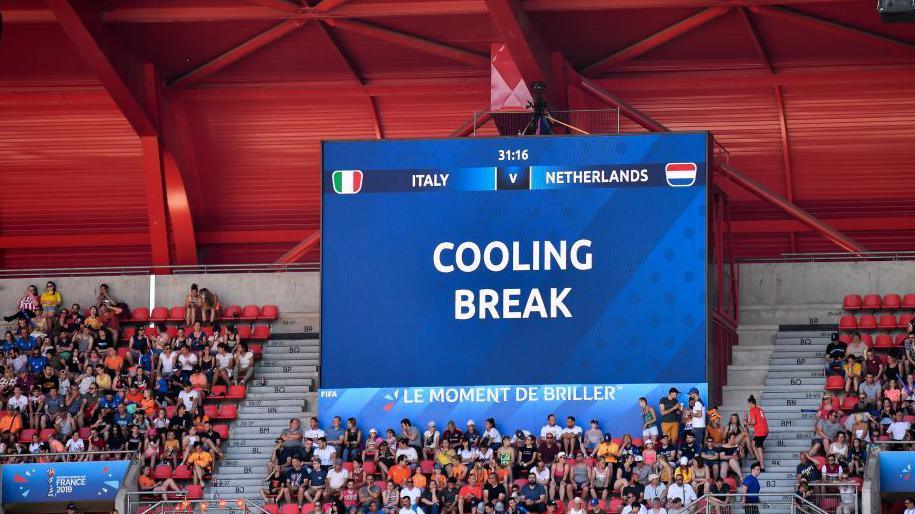
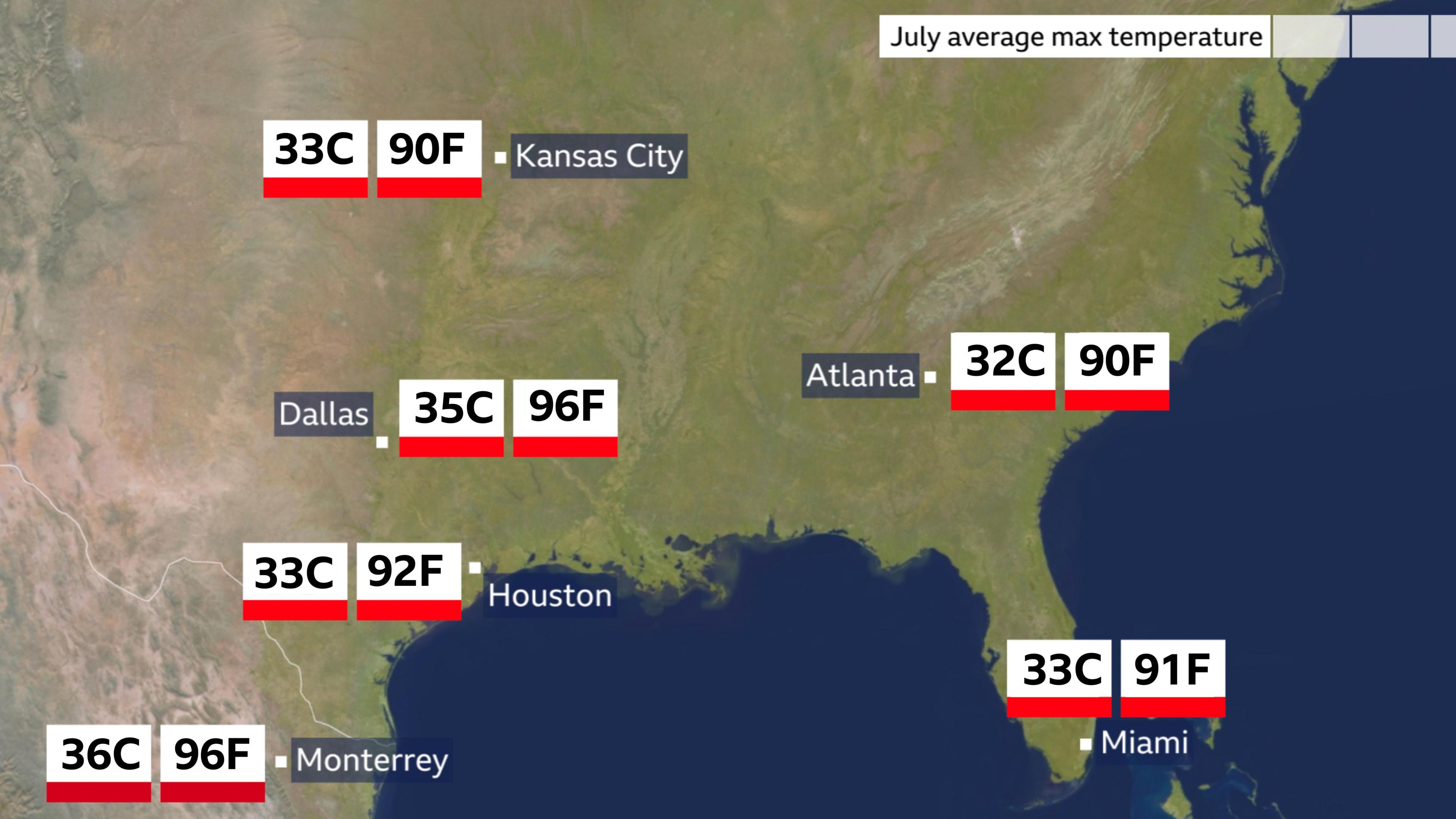
Tournament organizers have begun implementing innovative solutions to address heat-related challenges. Several venues across the United States have invested in advanced cooling technologies, including air-conditioned stadium systems and sophisticated pitch irrigation systems designed to maintain optimal playing surface temperatures. Cities like Dallas, Atlanta, and Miami, accustomed to hot, humid conditions, have decades of experience managing outdoor sporting events in extreme heat. However, newer facilities in traditionally cooler climates may lack the necessary infrastructure, requiring rapid upgrades and testing to ensure compliance with FIFA safety standards before competition begins.
Humidity represents another significant meteorological variable that deserves careful consideration. The combination of high temperature and elevated humidity levels—particularly common in coastal areas of the United States and Mexico—creates what scientists call the wet bulb globe temperature, a comprehensive measure of heat stress. When humidity rises alongside temperature, the human body's ability to cool itself through perspiration becomes severely compromised, dramatically increasing heat illness risks among players who must perform at maximum intensity for extended periods. This physiological reality may necessitate adjusted match schedules, increased hydration breaks, or modified game protocols to protect athlete welfare.
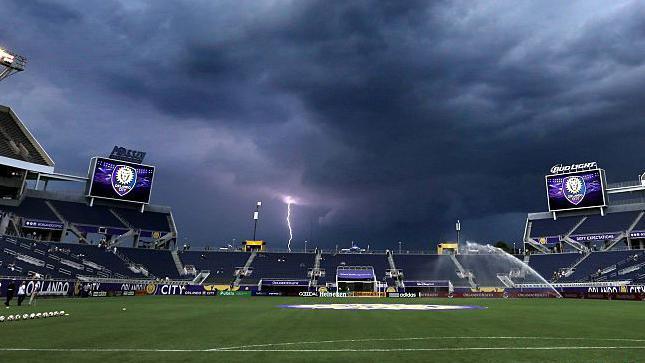
Severe weather events present another category of concerns for tournament planners. The summer months align with North America's most active severe weather season, bringing the potential for thunderstorms, hail, tornadoes, and even hurricanes in certain regions. Hurricane season peaks from August through October, overlapping partially with the World Cup's scheduled timeframe. Mexico experiences its own severe weather patterns during this period, including intense afternoon thunderstorms in mountainous regions. While modern weather forecasting provides excellent short-term predictions, the organization of contingency plans for match delays or postponements requires extensive coordination across multiple jurisdictions with different legal frameworks and insurance requirements.
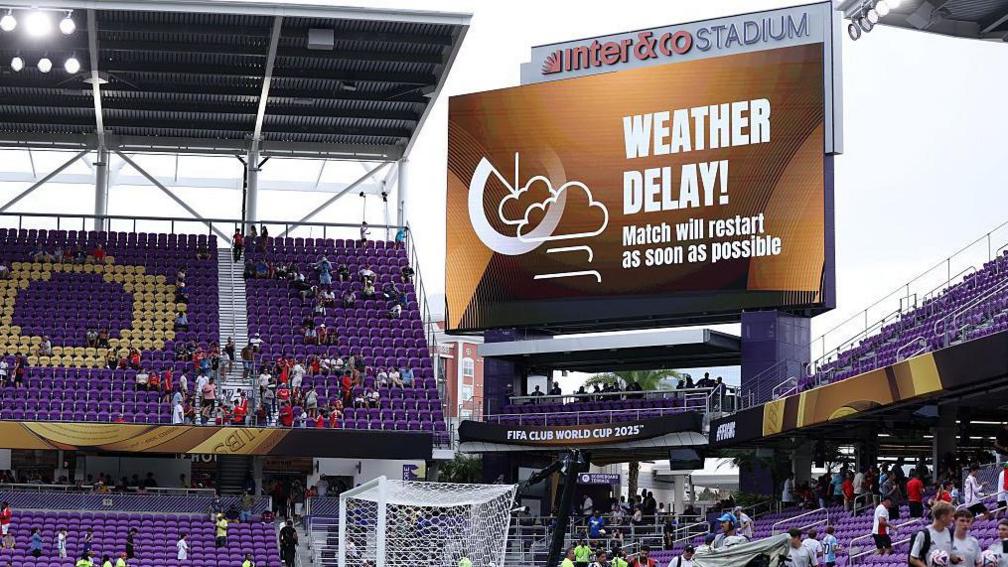
The FIFA tournament schedule has been carefully constructed with weather considerations in mind, yet unexpected meteorological events could still necessitate modifications. Unlike domestic leagues that enjoy extensive flexibility in rescheduling, the World Cup operates on a compressed timeline with predetermined match sequences essential for determining group standings and knockout round progression. A single weather-related postponement could create cascading scheduling complications affecting multiple matches, team preparation times, and travel logistics. FIFA has established detailed protocols for weather-related suspensions and has authorized match officials to implement temporary stoppages or relocations when conditions become unsafe.
Venue selection itself reflects careful consideration of weather patterns and climate data. Organizers deliberately chose multiple northern venues in the United States and Canada, strategically positioning matches in regions where summer temperatures remain relatively moderate compared to southern alternatives. Cities like Vancouver, Seattle, and Denver offer naturally cooler conditions during the tournament period, reducing extreme heat risks. However, this geographic dispersion creates logistical challenges for teams, media, and fans, requiring extensive travel across multiple time zones and climatic regions. The diversity of venues, while meteorologically prudent, introduces coordination complexities rarely seen in previous World Cups.
Air quality represents an underappreciated dimension of weather-related tournament impacts. Wildfire smoke, particularly from western North American fires common during summer months, can significantly degrade air quality across vast regions. Poor air quality compromises athletic performance by reducing oxygen availability and increasing respiratory stress, particularly affecting endurance athletes like soccer players who depend on sustained aerobic capacity. Additionally, smoke reduces visibility for players, officials, and spectators, potentially affecting game quality and safety. Climate change patterns have intensified wildfire seasons across western North America, making air quality considerations increasingly relevant for 2026 planning.
Water management and pitch conditions face their own weather-related challenges across the tournament's diverse venues. Excessive rainfall in some regions could waterlog playing surfaces, creating unpredictable and unsafe conditions for ball handling and player movement. Conversely, drought conditions in other areas might necessitate intensive irrigation to maintain pitch quality, straining local water resources during periods of potential scarcity. Tournament organizers have coordinated with local authorities and facility managers to develop region-specific strategies addressing these hydrological variables, ensuring consistency in playing surface standards across all venues.
The international broadcast implications of weather disruptions warrant serious consideration. Television networks worldwide have invested substantial resources in World Cup coverage, with programming schedules synchronized across multiple time zones. Weather-related delays or rescheduling can disrupt these carefully planned broadcasts, affecting viewer engagement and commercial obligations. Additionally, extreme weather can impact broadcast quality, with severe lightning potentially damaging transmission equipment and reducing visibility for camera operators. These technical considerations add another layer of complexity to weather contingency planning, extending beyond immediate player and fan safety to encompass media operations.
Fan experience and public health represent paramount considerations in weather planning. Spectators traveling to matches may lack adequate acclimatization to extreme heat, particularly international visitors from cooler climates. Stadium infrastructure must provide sufficient shade, hydration facilities, and medical support to address heat-related emergencies. Climate adaptation measures including expanded medical staffing, strategic shade structures, and elevated water station capacity have been incorporated into venue designs. Transit systems connecting stadiums to hotels and transportation hubs must maintain functionality during extreme weather, ensuring spectators can safely navigate between locations without prolonged exposure to dangerous conditions.
Long-term climate trends add concerning context to immediate weather concerns. Scientific data indicates that average temperatures across North America continue rising, extending heat waves' duration and intensity. The 2026 World Cup occurs during a period when climate change impacts are increasingly pronounced, potentially creating more extreme conditions than historical averages would suggest. This reality has prompted tournament planners to employ predictive climate models alongside traditional weather forecasting, attempting to anticipate not merely expected conditions but also low-probability extreme events that could nonetheless occur during the competition window.
In conclusion, extreme weather represents a genuine and multifaceted challenge for the 2026 World Cup, requiring unprecedented coordination across three nations and multiple meteorological zones. While organizers have implemented comprehensive planning strategies addressing heat, severe weather, air quality, and pitch conditions, uncertainty remains inherent to weather prediction. The tournament's success will depend not only on the actual meteorological conditions that materialize but also on the resilience and adaptability of systems designed to protect players, fans, and the integrity of competition itself. As the tournament approaches, continued monitoring and refinement of weather contingency protocols remain essential priorities.
Source: BBC News


