
World Cup Faces 'Sportswashing' Risks Under Trump

Human rights groups warn Trump administration may use World Cup as political tool to mask abuses. Fans face uncertainty over protests and policing.
As the world's most prestigious football tournament prepares to kick off on American soil this summer, human rights organizations are sounding the alarm about what they characterize as a concerted effort by the Trump administration to weaponize the event for political purposes. According to multiple advocacy groups, the upcoming World Cup threatens to become a "bonanza of sportswashing," a term used to describe the practice of using high-profile sporting events to distract from or legitimize controversial government policies and human rights concerns.
The Sport and Rights Alliance (SRA), a coalition that brings together prominent human rights organizations including Human Rights Watch and Amnesty International, has formally raised concerns about the administration's approach to hosting the tournament. These groups argue that the government is strategically leveraging the World Cup's global visibility to obscure serious allegations of governmental abuses and violations of fundamental human rights. The timing of the tournament, coupled with the current political climate, has created what advocacy groups view as a perfect storm for human rights violations to go unexamined.
One of the most pressing concerns centers on the role of Immigration and Customs Enforcement (ICE) during the tournament. International Football Federation (Fifa) President Lise Klaveness is expected to formally raise these concerns with Fifa officials, pushing for concrete commitments to protect all individuals within U.S. borders during the event. The uncertainty surrounding immigration enforcement during the tournament has created significant anxiety among international fans and domestic immigrant communities alike.

Supporter groups have expressed deep frustration about the lack of clarity regarding what happens to fans who engage in controversial behavior or political expression during the tournament. In candid remarks, representatives of these fan organizations have stated they have "absolutely no clue" what consequences attendees might face if they participate in unauthorized protests or engage in activities that fall outside acceptable conduct guidelines. This ambiguity surrounding protest rights and policing procedures has left many international visitors questioning whether they can safely exercise their fundamental freedoms of expression and assembly.
The intersection of ICE enforcement and World Cup attendance has created a unique problem that distinguishes this tournament from previous iterations. Unlike tournaments held in other nations, the United States possesses a domestic immigration enforcement apparatus that operates year-round and has become increasingly aggressive under recent administrations. The prospect of international travelers being subjected to heightened immigration scrutiny during an event meant to celebrate global unity has understandably raised alarms among civil liberties advocates.
Human Rights Watch and other participating organizations within the SRA have documented patterns of what they consider excessive policing at major sporting events in the United States. These historical precedents inform current concerns about how law enforcement might handle the massive influx of international visitors expected during the World Cup. The organizations are calling for explicit protections to be written into the tournament's operational framework, including clear guidelines about what constitutes permissible protest activity and what legal safeguards will be extended to demonstrators.
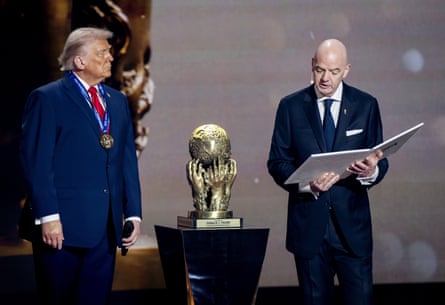
The broader concept of sportswashing has gained increased attention in recent years as governments and corporations have become more sophisticated in their ability to use major sporting events as tools for reputation management. Critics argue that hosting the World Cup allows administrations to present themselves as progressive and inclusive on the global stage while simultaneously implementing or maintaining policies that contradict these values. The spectacle and excitement surrounding the tournament can effectively divert media and public attention from ongoing human rights controversies.
Amnesty International has specifically highlighted concerns about the criminalization of protest activity and the potential for discriminatory policing practices to intensify during the tournament. The organization has called for Fifa to impose binding conditions on the host nation, requiring verifiable commitments to protect freedom of assembly and expression. Such measures would represent an unprecedented intervention by the international sports governing body into the domestic policies of a host nation, though advocacy groups argue the scale and significance of the World Cup justify such unprecedented action.
The timing of these concerns is particularly acute given that the tournament will take place during a period of heightened political polarization within the United States. Different groups may attempt to use the World Cup platform to make political statements or demonstrate their opposition to various government policies. Without clear guidance about what is and is not permitted, both international visitors and domestic participants face genuine uncertainty about their legal status and safety when engaging in political expression.
Lise Klaveness's anticipated engagement with Fifa leadership represents an important diplomatic effort to ensure that the international football body takes seriously its responsibility to protect human rights. While Fifa has previously adopted human rights policies and frameworks, enforcement of these standards at the national level has proven inconsistent. Klaveness's intervention could signal that international pressure may finally compel more concrete action to safeguard vulnerable populations during the tournament.
The World Cup's six-week countdown has become a critical period for advocacy organizations to mobilize support for stronger protections. Petitions, formal complaints, and public awareness campaigns are being coordinated to ensure that human rights concerns receive prominent attention in pre-tournament discussions. These efforts aim to establish precedent for treating human rights protection as a central component of tournament operations rather than an afterthought addressed only after problems emerge.
Looking forward, the upcoming tournament will serve as a significant test case for how international sporting bodies balance their commercial and political interests against their stated commitments to human rights. The outcome of negotiations between Fifa, the Trump administration, and human rights organizations in the coming weeks will likely influence how future tournaments are approached with respect to human rights protections and accountability measures.
Source: The Guardian


