
Xbox Elite Controller 3 Specs Revealed by Brazilian Regulator

Microsoft's highly anticipated Xbox Elite Controller 3 has been unexpectedly unveiled through a Brazilian regulatory filing, revealing details before official announcement.
In an unexpected turn of events, Xbox Elite Controller 3 specifications and design details have surfaced through a regulatory filing in Brazil, catching Microsoft's gaming division off guard and forcing the company's public relations team into damage control mode. The leak represents a significant breach in the typical product launch strategy that major technology companies employ, as consumers and gaming enthusiasts now have access to information that was meant to be revealed through carefully orchestrated official announcements.
The regulatory disclosure, which emerged from Brazilian authorities responsible for product certification and compliance, has provided gaming fans with their first substantive glimpse at what appears to be the next generation of Microsoft's premium controller line. This type of leak is not uncommon in the technology industry, as various countries require manufacturers to submit detailed product information for regulatory approval before devices can be legally sold within their jurisdictions. However, the timing and nature of this particular disclosure have created an awkward situation for Microsoft's marketing team.
The Elite Controller line has long been positioned as a premium offering within the Xbox ecosystem, targeting competitive gamers and serious enthusiasts who are willing to invest in higher-end peripherals. The original Elite Controller, released in 2015, established the brand as a flagship accessory that combined customization options, enhanced build quality, and professional-grade features at a premium price point. Subsequent iterations have built upon this foundation, maintaining the controller's reputation as one of the most sophisticated gaming peripherals available on the market.
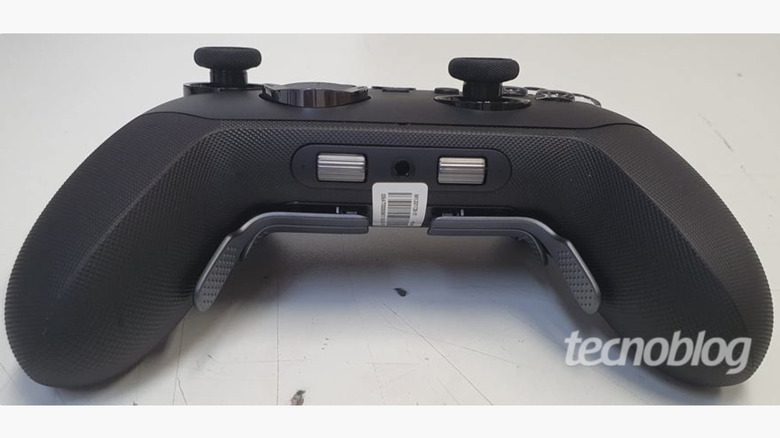
Details emerging from the Brazilian regulatory filing suggest that Microsoft has made meaningful improvements to the controller design while maintaining the core features that fans have come to expect. The leak indicates potential enhancements to the device's build materials, durability characteristics, and overall construction quality. These specifications are particularly important to the target demographic, as professional esports players and content creators rely on their controllers to perform consistently during extended gaming sessions and competitive tournaments.
The regulatory process that led to this unintended revelation underscores the complex global landscape that technology manufacturers must navigate. Before launching products in different markets, companies must comply with local regulations, which often require detailed technical specifications to be filed with government agencies. While these regulations exist to protect consumers and ensure product safety, they sometimes result in premature disclosures that companies would prefer to keep under wraps until their official launch events. Brazil, with its significant gaming market, represents an important region for Microsoft's product releases.
Microsoft's gaming peripherals strategy has always emphasized the importance of maintaining a consistent narrative around product announcements. The company typically uses scheduled press events, media partnerships, and curated reveals to build anticipation and control the flow of information about upcoming hardware. Leaks like this one disrupt that carefully planned approach, allowing information to enter the public discourse before the company is ready to provide full context, pricing information, and availability details.
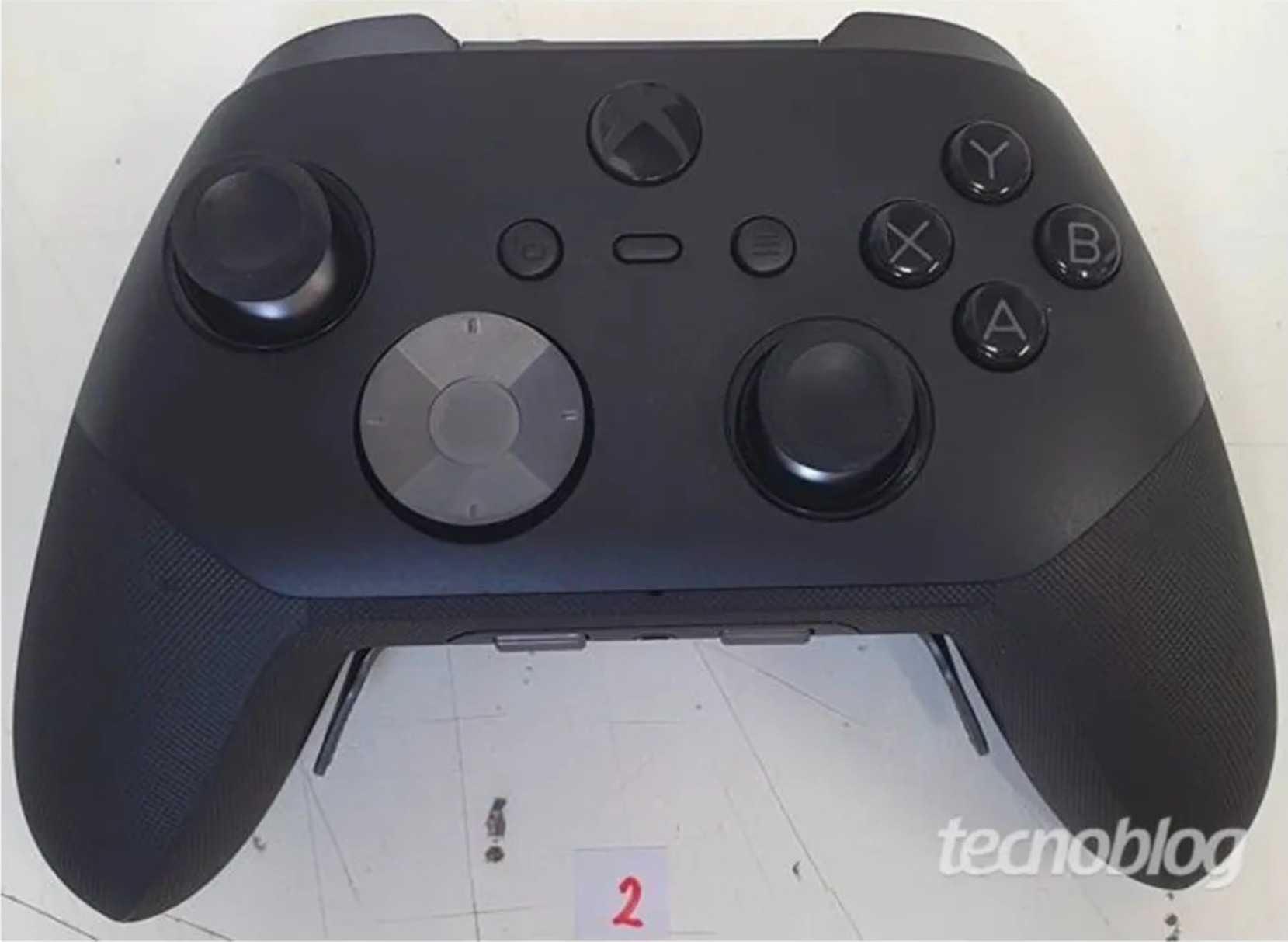
The Elite Controller line occupies a unique position within the broader Xbox accessory ecosystem. While standard controllers come bundled with console purchases or are available at standard pricing, Elite controllers target a niche audience willing to pay a premium for customization, durability, and performance advantages. This positioning requires careful messaging to justify the higher price point and distinguish the product from less expensive alternatives. Premature leaks can complicate this narrative before the company has an opportunity to articulate the value proposition to consumers.
Industry observers have noted that regulatory leaks have become increasingly common as the technology market has become more globalized and interconnected. With products launching simultaneously across multiple regions, companies must navigate approval processes in numerous jurisdictions, each with its own requirements and timelines. This expanding regulatory footprint increases the likelihood that product information will surface through official channels before the manufacturer intends to make announcements. For companies like Microsoft, managing these disclosure challenges has become a standard aspect of product launch planning.
The situation also highlights the growing sophistication of gaming enthusiasts and tech-savvy consumers who actively monitor regulatory filings and industry databases for early product information. Fan communities dedicated to Xbox hardware have developed extensive networks for sharing and analyzing leaked specifications, often providing detailed breakdowns of new products before official announcements occur. This dynamic has fundamentally changed how manufacturers approach the initial product reveal phase of their marketing campaigns.
Looking at the broader context, the Xbox controller has evolved significantly since the original Xbox console launched in 2001. Each generation has brought refinements, new features, and improved ergonomics based on feedback from professional players and casual gamers alike. The Elite series represents the pinnacle of this evolution, incorporating lessons learned from years of controller design and player preferences. The third iteration in this premium line presumably builds on the successes of previous versions while addressing any shortcomings that users have reported.
Microsoft has not yet issued an official statement regarding the leaked information, leaving consumers and analysts to speculate about the company's next steps. The company faces a choice between accelerating an official announcement to control the narrative or allowing the regulatory information to gradually circulate through gaming communities. Both approaches carry strategic advantages and disadvantages, and the decision will likely depend on how significant the leaked details prove to be and how extensively they've already spread through social media and gaming forums.
The premium gaming peripheral market has become increasingly competitive in recent years, with manufacturers like SCUF Gaming, Turtle Beach, and other third-party developers offering alternative high-end controller options. Microsoft's Elite Controller line must maintain its competitive advantage through genuine innovation and perceived value superiority. Early leaks that fail to clearly communicate the product's unique benefits could inadvertently give competitors an opportunity to position their offerings as viable alternatives.
For Microsoft's marketing teams, this incident serves as a reminder of the challenges inherent in managing product information across a complex global marketplace. While regulatory requirements exist for legitimate consumer protection purposes, they inevitably create vulnerabilities in companies' efforts to control product announcement timing. As the technology industry continues to become more sophisticated and interconnected, these types of leaks will likely continue to occur, requiring companies to develop more agile and adaptive response strategies.
The leaked Xbox Elite Controller 3 information will undoubtedly circulate extensively through gaming communities, forums, and technology news outlets over the coming days and weeks. Whether Microsoft chooses to formalize the announcement or let the regulatory disclosure serve as the de facto product introduction remains to be seen. Regardless of the company's response, consumers now have early visibility into what appears to be the next evolution of Microsoft's premium controller offering, and that knowledge will likely influence purchasing decisions and market expectations leading up to any official launch announcement.
Source: Engadget


