
Xi Takes Center Stage Hosting Putin After Trump Visit

China's leader Xi Jinping demonstrates diplomatic prowess by hosting Putin days after meeting Trump, positioning himself as a key global power broker.
In a carefully orchestrated display of international diplomacy, Xi Jinping has positioned himself at the center of global geopolitics by hosting Russian President Vladimir Putin just days after meeting with Donald Trump. This strategic sequence of high-level meetings sends a powerful message to the international community about China's role as a bridge between major world powers. The timing of these visits is far from coincidental, reflecting Beijing's calculated approach to maintaining influence across multiple continents and political systems.
The diplomatic engagement demonstrated by the Chinese president reveals a nuanced understanding of contemporary international relations. By hosting both leaders in quick succession, Xi has effectively positioned China as a nation that maintains constructive relationships with diverse global powers, regardless of their political ideologies or current tensions with one another. This approach allows Beijing to project an image of impartiality while simultaneously strengthening bilateral ties with each nation individually.
China's leader has long sought to cultivate relationships that transcend the traditional East-West divide that has characterized global politics for decades. Through these back-to-back presidential visits, Xi demonstrates that China's foreign policy is rooted in pragmatism rather than ideology. The meetings underscore Beijing's commitment to being a major player in resolving international disputes and maintaining stability across multiple regions simultaneously.
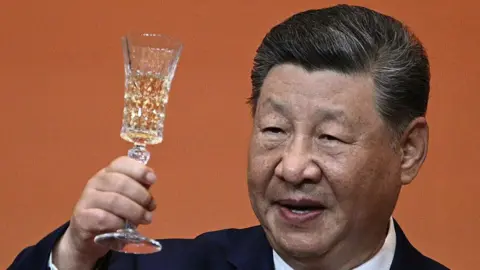
The visit by Putin to China represents a continuation of the strengthening Russia-China relationship that has deepened significantly over the past several years. Moscow and Beijing have forged closer economic, military, and diplomatic ties, with their partnership serving as a counterbalance to Western influence. The Russian president's presence in Beijing shortly after discussions with Trump highlights the complex web of international relationships that Xi must navigate as China's supreme leader.
Meanwhile, the separate engagement with Trump's team underscores China's recognition that maintaining communication channels with American leadership remains essential for global stability. Despite ongoing trade tensions and strategic competition between Washington and Beijing, these meetings signal that both nations recognize the importance of dialogue. Xi's willingness to meet with representatives from both camps demonstrates his commitment to multilateral diplomacy and his desire to prevent the world from fracturing into rigid, opposing blocs.
The broader context of these visits reveals important trends in contemporary international relations. The era of unipolar dominance appears to be giving way to a more multipolar world order, where regional powers like China, Russia, and the United States each maintain distinct interests while occasionally finding common ground. Xi's positioning as a central diplomatic figure reflects China's aspirations to lead in this new global arrangement, where no single nation can impose its will unilaterally.
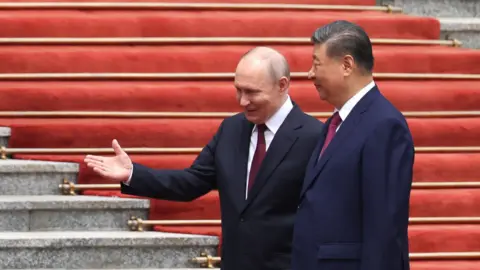
The geopolitical implications of these back-to-back meetings extend far beyond ceremonial pleasantries. Economic cooperation, security arrangements, and strategic alliances are likely on the agenda during each visit. China's growing economic influence globally means that discussions about trade, investment, and infrastructure projects will feature prominently in Xi's conversations with each leader. These meetings provide opportunities to advance Beijing's long-term strategic objectives while demonstrating its commitment to constructive international engagement.
For Xi personally, hosting these visits reinforces his stature as one of the world's most influential leaders. The symbolic importance of being the central figure in these diplomatic exchanges cannot be overstated. China's leader gets to frame himself not as a participant in international rivalries, but as a key interlocutor between major powers. This positioning is crucial for Xi's domestic political legitimacy, as it reinforces the narrative that his leadership has elevated China to a position of unprecedented global prominence and respect.
The meetings also reflect deeper structural changes in the international system. China's rise as a superpower has fundamentally altered the balance of global influence. Where once the United States might have been the automatic destination for leaders seeking to influence world events, Beijing has now become an equally essential stop for any political figure seeking to shape global outcomes. This shift represents one of the most significant transformations in international relations since the end of the Cold War.
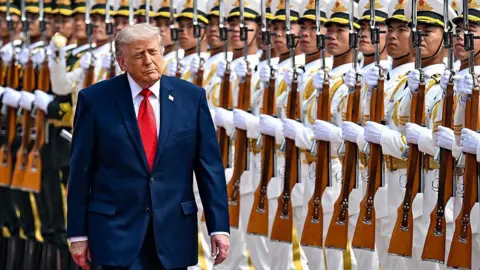
The careful orchestration of these visits also demonstrates the importance of symbolism in international diplomacy. The order in which meetings occur, the venues selected, the officials who participate, and the statements released to the press all carry meaning in the world of high-level politics. Xi's team has undoubtedly spent considerable time ensuring that each meeting conveys the appropriate message to domestic audiences in China as well as to observers around the world monitoring the shifting balance of power.
Looking forward, these visits likely presage deeper engagement between the three powers on crucial global issues. Climate change, nuclear proliferation, terrorism, and economic stability are among the challenges that require cooperation even between nations with competing interests. Xi's role as a meeting point for leaders from different political systems positions China to play a crucial role in building coalitions around solutions to these problems. The ability to maintain productive relationships with all major powers simultaneously is a significant diplomatic achievement that enhances China's influence in global affairs.
In essence, Xi Jinping's diplomatic strategy of hosting these consecutive presidential visits encapsulates China's broader approach to international relations in the twenty-first century. Rather than choosing sides in global disputes or aligning exclusively with any particular bloc, Beijing seeks to maintain flexibility and leverage relationships with all major powers. This approach allows China to pursue its national interests while positioning itself as a responsible global stakeholder committed to international stability and cooperation. The spotlight that Xi basks in during these meetings reflects not just his personal prominence, but China's central role in shaping the world's future.
The implications of this diplomatic engagement will likely unfold over months and years, as the specific agreements and understandings reached during these visits become apparent. What is certain is that Xi's strategic positioning as a central figure in contemporary international relations reinforces China's status as a global superpower. The ability to host and engage productively with leaders from different political systems is a hallmark of great power status, and these meetings demonstrate that China has firmly established itself in this rarefied category of nations that shape world events.
Source: BBC News


