
Xi Welcomes Putin Days After Trump Summit

China's leader Xi Jinping prepares for Vladimir Putin's Beijing visit, just four days after hosting Donald Trump. The visit underscores deepening Russia-China ties amid Western concerns.
China's enduring strategic alliance with Russia continues to generate substantial concern among Western nations, particularly in the wake of Moscow's military incursion into Ukraine. The diplomatic maneuvers surrounding high-level summits in Beijing reflect the complex geopolitical landscape shaping international relations in the 21st century. These consecutive visits from leaders of rival superpowers highlight the intricate balancing act China maintains on the world stage.
Xi Jinping and Vladimir Putin exchanged formal "congratulatory letters" on Sunday as preparations accelerated for the Russian president's state visit to Beijing scheduled for later in the week. This diplomatic gesture comes merely four days after Donald Trump concluded his high-stakes summit with the Chinese leader, marking an extraordinarily busy period for Xi's diplomatic calendar. The timing of these consecutive visits underscores China's central role in contemporary great power diplomacy and its efforts to maintain strategic relationships across the globe.
According to reports from Chinese state media, Xi emphasized that bilateral cooperation between the two nations had "continuously deepened and solidified" in recent years. The timing of Putin's visit is particularly significant as 2026 marks the 30th anniversary of the establishment of the strategic partnership between Russia and China—a relationship that has evolved considerably since the Cold War era. This milestone provides symbolic weight to the upcoming discussions and reinforces the historical depth of the Russia-China relationship.
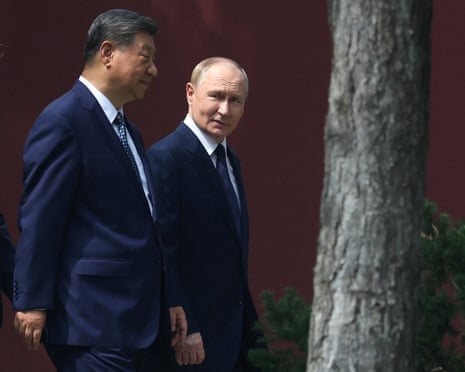
The Russia-China partnership represents one of the most consequential geopolitical alignments of the modern era, particularly given the significant economic and military capabilities both nations possess. The relationship has grown increasingly closer over the past two decades, with extensive cooperation across energy, trade, military, and technological sectors. This deepening partnership has become a central concern for Western policymakers, who view the alliance as a counterweight to democratic values and Western influence.
Ukraine's situation remains a critical backdrop to international assessments of the Russia-China relationship. Since Russia's 2022 invasion of Ukraine, the nature and extent of China's support for Moscow has been closely scrutinized by Western intelligence agencies and policymakers. While China has officially maintained a position of neutrality regarding the conflict, its refusal to condemn Russia and its continued economic engagement with Moscow have drawn criticism from Western nations and Ukraine itself.
The diplomatic significance of hosting both Trump and Putin within such a short timeframe demonstrates Xi's sophisticated approach to managing competing interests and maintaining China's status as a central player in global affairs. Each summit involves distinct strategic objectives and messaging, with Trump's visit likely focusing on trade relations and economic issues, while Putin's visit centers on security cooperation and regional stability. This dual engagement reflects Beijing's desire to remain engaged with all major global powers despite ideological and strategic differences.
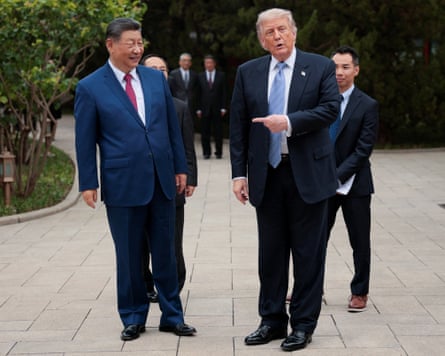
The 30-year anniversary of formal strategic partnership provides an opportunity for both nations to review progress and establish new frameworks for cooperation. Over three decades, Russia and China have transformed from Cold War adversaries into strategic partners, a shift driven by shared interests in counterbalancing Western influence and establishing multipolar global systems. The anniversary serves as a natural moment for reflection on achievements and recommitment to joint objectives.
China's balancing act between maintaining relationships with the United States while deepening ties with Russia reflects the complex realities of contemporary international relations. Beijing seeks to avoid being drawn into direct confrontation with Washington while simultaneously strengthening its position vis-à-vis Moscow and other regional powers. This diplomatic juggling act requires careful messaging, strategic timing, and nuanced positioning on key global issues.
The consecutive summits also reveal the intensifying competition for China's alignment and favor among global superpowers. Both the United States and Russia recognize the critical importance of maintaining productive relationships with Beijing, whether for economic cooperation, security arrangements, or broader geopolitical objectives. China's ability to simultaneously engage with competing powers enhances its leverage in bilateral negotiations and international forums.
Western concerns about the Russia-China partnership are rooted in legitimate strategic considerations. The combination of Russian military capabilities and Chinese economic and technological strength represents a formidable alliance. Intelligence assessments and policy papers from NATO countries and the United States regularly identify the deepening Russia-China relationship as a primary threat to the existing international order and Western interests.
The congratulatory letters exchanged between Xi and Putin serve multiple purposes within diplomatic protocol. Such exchanges reinforce personal relationships between leaders, signal commitment to bilateral partnerships, and provide opportunities to set the tone for upcoming meetings. In this case, the letters likely emphasized shared values, mutual respect, and satisfaction with recent developments in the bilateral relationship.
Looking ahead, Putin's visit to Beijing will likely produce joint statements, agreements on specific cooperation initiatives, and public displays of solidarity between the two leaders. These outcomes will be carefully analyzed by Western governments and international observers seeking to understand the trajectory of the Russia-China relationship and its implications for global stability and the international order. The visit represents another significant chapter in the continuing evolution of this strategically consequential partnership.
The broader context of these summits involves fundamental questions about the future organization of the international system, the role of major powers, and the balance between competing visions for global order. Russia seeks recognition of its sphere of influence and restoration of its great power status, while China pursues its vision of a multipolar world and its own ascendancy. Understanding how Beijing manages these complex relationships remains essential for comprehending future geopolitical developments and international relations trajectories.


