
Yacht Industry Faces Teak Crisis, Seeks New Materials

The luxury yachting industry confronts a critical teak shortage, driving manufacturers to explore innovative alternatives for boat construction.
The luxury yachting industry finds itself at a crossroads as one of its most prized materials becomes increasingly scarce. Teak, the golden hardwood that has adorned the decks of premium vessels for centuries, is now in critically short supply, forcing manufacturers and designers to reimagine the future of yacht construction. This shortage represents more than just a material challenge – it's reshaping an entire industry's approach to luxury craftsmanship.
For decades, teak wood has been synonymous with maritime excellence. Its natural oils provide exceptional resistance to saltwater, while its dense grain structure offers unparalleled durability against harsh marine conditions. The wood's distinctive honey-colored appearance and smooth texture have made it the gold standard for yacht decking, creating the classic aesthetic that defines luxury boating. However, environmental concerns and dwindling natural forests have dramatically reduced the availability of high-quality teak, creating unprecedented challenges for boat builders worldwide.
The scarcity of sustainable teak has reached critical levels, with prices soaring as demand continues to outstrip supply. Traditional teak forests in Southeast Asia, particularly in Myanmar, Thailand, and Indonesia, have been severely depleted through decades of harvesting. Environmental regulations and conservation efforts have further restricted access to remaining teak reserves, creating a perfect storm that threatens the traditional yacht manufacturing process.
Industry experts estimate that genuine teak prices have increased by over 200% in the past decade, forcing yacht manufacturers to reconsider their material strategies. The situation has become so severe that some luxury yacht builders report waiting lists of up to two years for premium-grade teak lumber, significantly impacting production schedules and customer delivery timelines.
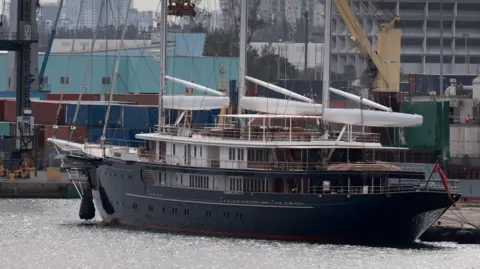
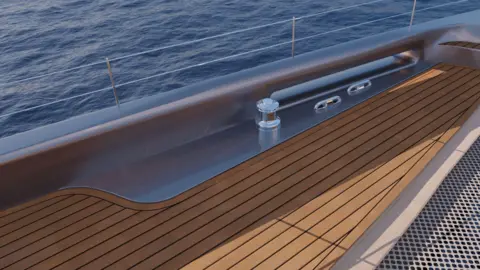
In response to the teak shortage, innovative manufacturers are turning to a diverse array of alternative materials. Synthetic decking solutions have emerged as leading contenders, offering the aesthetic appeal of natural wood without the environmental and supply chain concerns. Advanced polymer composites now closely mimic teak's appearance and texture while providing superior durability and lower maintenance requirements.
Thermally modified woods represent another promising avenue for the industry. Species such as ash, oak, and pine undergo specialized heat treatment processes that enhance their marine resistance properties, creating viable alternatives to traditional teak. These treatments alter the wood's cellular structure, improving stability and reducing susceptibility to moisture damage – critical factors in marine applications.
Cork decking has gained significant traction among environmentally conscious yacht owners and manufacturers. Harvested from cork oak trees without harming the tree itself, cork offers excellent insulation properties, natural anti-slip characteristics, and a unique aesthetic that appeals to modern yacht design sensibilities. The material's renewable nature aligns with growing sustainability trends in luxury industries.
Bamboo products have also entered the marine market, leveraging the plant's rapid growth rate and impressive strength-to-weight ratio. Advanced bamboo composites now offer durability comparable to traditional hardwoods while maintaining a distinctive visual appeal that sets yachts apart from conventional designs.

The search for teak alternatives has sparked remarkable innovation in marine material science. Companies are developing hybrid solutions that combine natural fibers with advanced polymers, creating materials that exceed traditional wood performance in many categories. These engineered solutions often provide better UV resistance, reduced thermal expansion, and enhanced slip resistance compared to natural teak.
Recycled and reclaimed materials are gaining prominence as manufacturers embrace circular economy principles. Reclaimed teak from decommissioned vessels and buildings offers authentic material character while addressing sustainability concerns. Similarly, recycled plastic lumber provides environmental benefits while delivering consistent performance characteristics.
The transition away from traditional teak is reshaping yacht design philosophies. Designers now have opportunities to experiment with material combinations and aesthetic approaches that were previously unconsidered. This creative freedom has led to innovative deck patterns, color schemes, and textural contrasts that distinguish modern yachts from their traditional counterparts.
Installation and maintenance considerations play crucial roles in material selection decisions. Many alternative materials offer simplified installation processes and reduced long-term maintenance requirements compared to natural teak. These factors contribute to lower total ownership costs, appealing to cost-conscious yacht owners while maintaining luxury standards.
The yacht manufacturing supply chain has adapted remarkably to accommodate diverse material requirements. Specialized suppliers now offer comprehensive alternative material portfolios, providing manufacturers with reliable access to high-quality substitutes. This supply chain evolution has reduced dependence on traditional teak sources while maintaining production efficiency.
Market acceptance of alternative materials varies significantly across different yacht segments. Superyacht owners often remain committed to traditional materials despite cost considerations, while smaller vessel owners embrace alternatives more readily. This market segmentation has created diverse opportunities for material suppliers and manufacturers to serve different customer preferences and price points.
Research and development investments in marine materials continue expanding as companies recognize the long-term implications of teak scarcity. Advanced testing facilities now evaluate alternative materials under extreme marine conditions, ensuring performance reliability before market introduction. These comprehensive testing protocols have accelerated the development of viable teak substitutes.
The environmental impact of material choices has become increasingly important to yacht buyers. Many alternative materials offer superior sustainability profiles compared to endangered hardwoods, aligning with growing environmental consciousness among luxury consumers. This trend has transformed environmental responsibility from a constraint into a competitive advantage for forward-thinking manufacturers.
Looking ahead, the future of yacht construction will likely feature diverse material ecosystems rather than single-material dominance. This diversification reduces supply chain risks while enabling creative design possibilities. Manufacturers are developing expertise across multiple material categories, ensuring flexibility in responding to market conditions and customer preferences.
The teak shortage has ultimately catalyzed positive transformation within the yachting industry. While challenging traditional approaches, this crisis has driven innovation, environmental responsibility, and creative design solutions. The industry's response demonstrates remarkable adaptability and positions yacht manufacturing for sustainable growth in an increasingly resource-conscious world. As alternative materials continue improving and gaining acceptance, the yachting industry stands poised to emerge stronger and more diverse than ever before.
Source: BBC News

