
Zambia Cancels World's Largest Tech Rights Summit

Zambian government blocks RightsCon 2026 conference days before start, citing misalignment with national values and priorities.
In a shocking development that has reverberated through the international human rights community, Zambia has cancelled RightsCon 2026, the world's premier conference dedicated to exploring the intersection of human rights and technology. The decision came just days before the highly anticipated event was scheduled to commence, leaving thousands of registered participants, activists, and technology experts scrambling to adjust their plans and raising serious questions about government restrictions on civil society gatherings.
The RightsCon 2026 summit was originally set to take place in Lusaka, Zambia's capital, from May 5-8, and was expected to attract attendees from across the globe who sought to engage in critical discussions about human rights in the digital age. The conference had been marketed as a flagship event bringing together civil society organizations, technology companies, government officials, and digital rights advocates to address pressing issues surrounding privacy, surveillance, freedom of expression, and the responsible development of artificial intelligence technologies.
The Zambian government, through Thabo Kawana, the permanent secretary for the Ministry of Information & Media, announced the cancellation by stating that the conference would not proceed as planned. According to the official government position, the decision was made to allow additional time for organizers to ensure the gathering would properly align with Zambia's national values, policy priorities, and broader public interest considerations. This explanation, however, has been met with widespread skepticism from international observers and human rights organizations who question the government's true motivations.
The timeline of events surrounding this cancellation is particularly noteworthy. The Zambian government had originally welcomed and publicly endorsed the RightsCon conference, actively promoting it as a significant opportunity for the country to position itself as a hub for digital rights discourse in Africa. Officials had expressed enthusiasm about hosting the gathering and had worked with conference organizers to arrange venues, secure government participation, and facilitate logistics for the international event. This initial support made the abrupt reversal all the more striking and concerning to observers of press freedom and civil society space in the country.
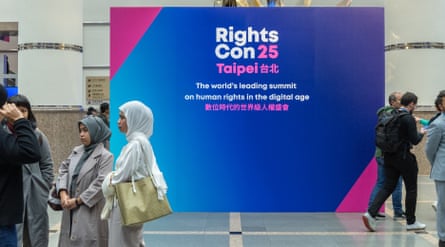
RightsCon itself is a globally recognized platform that has been held in various locations around the world, consistently drawing thousands of participants including academics, journalists, technology entrepreneurs, and representatives from non-governmental organizations focused on advancing digital rights and freedoms. The conference has established itself as an essential gathering where critical conversations about technology's impact on human dignity, privacy protections, and democratic values take place. The cancellation in Zambia represents a significant setback for this important annual convening.
The government's reasoning—that the conference didn't align with national values—has been scrutinized by international press freedom advocates and human rights observers. Critics argue that this language is often employed by governments seeking to suppress gatherings that may foster critical discussion about government policies or technology regulation. The vague reference to "national values" without specific details about which aspects of the conference were problematic has raised red flags among those monitoring civic space restrictions in Africa.

This incident comes at a time when several African nations have been grappling with how to regulate technology platforms, manage misinformation, and balance security concerns with the protection of fundamental freedoms. Zambia, like many countries in the region, has faced questions about its approach to surveillance technologies, online privacy protections, and government monitoring of digital communications. The decision to cancel a major international conference focused on these very issues suggests potential tensions between the government's stated policies and its comfort level with open, critical dialogue about technology governance and regulation.
The cancellation has significant implications for the global human rights and technology community. For many activists and organizations working in restrictive environments, RightsCon has traditionally provided a rare opportunity to network, share experiences, and coordinate advocacy efforts around digital rights issues. The loss of this year's summit, particularly in an African context where many countries are still developing their regulatory frameworks around technology, represents a missed opportunity for important conversations that could shape policy development across the continent.
International human rights organizations have begun responding to the Zambian government's decision. Some have expressed concern about what they perceive as a troubling trend toward restricting civic space and limiting opportunities for civil society to convene and discuss matters of public interest. Others have called on the government to provide more detailed explanations about which specific aspects of the conference were deemed problematic, arguing that transparency is essential in a democratic society.
The broader context of this cancellation includes ongoing debates in Zambia about media freedom, government transparency, and the space available for civil society organizations to operate. In recent years, various international organizations have monitored developments in the country related to press freedom, government accountability, and the ability of non-governmental organizations to carry out their work without undue state interference. The cancellation of RightsCon fits into this broader pattern of concern about the trajectory of civic space in the nation.
For RightsCon organizers, this cancellation presents significant logistical and programmatic challenges. The organization will need to consider alternative venues, potentially reschedule the conference for later in the year or another location, and manage the disappointment of thousands of registered participants who had made travel arrangements and blocked time in their schedules. Additionally, the organizers face the broader question of how to navigate relationships with governments that may be less welcoming of their work.
This situation also raises important questions about the future of international civil society gatherings in Africa and the commitment of various governments to maintaining open civic space. As digital rights and technology governance become increasingly central to public policy discussions globally, the ability of activists and experts to convene, debate, and share knowledge becomes more critical. When governments block or cancel such gatherings, it can impede the development of more informed and inclusive approaches to technology regulation.

Looking ahead, the international community will be watching to see how the Zambian government explains this decision in greater detail and whether it will reconsider permitting the conference to proceed. Additionally, observers will assess how this incident affects perceptions of Zambia as a destination for international civil society gatherings and what it signals about the country's commitment to freedom of assembly and expression. The cancellation of RightsCon 2026 in Lusaka represents a significant moment in ongoing global debates about civic space, government accountability, and the protection of fundamental rights in the digital age.
Source: The Guardian


