
Zelensky Blasts Russia's 'Utter Cynicism' Over Ceasefire Strikes

Ukraine's president condemns Russian military operations as Moscow demands ceasefire on specific dates while Kyiv proposes earlier pause in fighting.
Ukrainian President Volodymyr Zelensky has launched a scathing critique of Russian military strategy, accusing Moscow of demonstrating utter cynicism by continuing aggressive operations while simultaneously demanding a cessation of hostilities. The stark contradiction between Russia's stated intentions and its battlefield actions has become a central point of contention in ongoing diplomatic negotiations between the two nations, with each side attempting to position itself as the reasonable party seeking peace.
The core of the dispute centers on the timeline for a potential Russian ceasefire agreement. Russia has formally demanded that both nations halt military operations specifically on May 8 and 9, dates that hold significant historical and cultural meaning in Russian commemoration. However, Ukraine's leadership has proposed an alternative approach, suggesting that a pause in fighting should commence at an earlier date, effectively moving up the timeline for any cessation of hostilities.
This fundamental disagreement over ceasefire timing creates a strategic advantage for Kyiv's position. By proposing an earlier pause, Ukraine's ceasefire proposal establishes a framework where any continued Russian military operations during the interim period can be definitively attributed to Moscow's intransigence rather than mutual escalation. The diplomatic maneuvering represents a sophisticated understanding of how international observers and neutral parties will interpret violations of truce agreements.
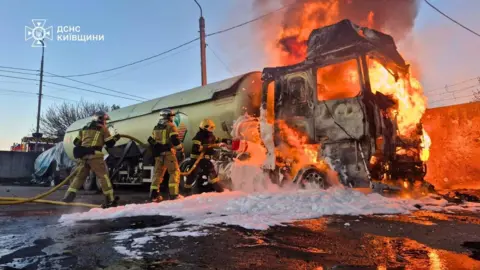
Zelensky's condemnation of Russia's approach highlights the deep mistrust that characterizes current negotiations between the two belligerent nations. The Ukrainian president's characterization of Moscow's behavior as cynical reflects frustration with what Kyiv perceives as a pattern of rhetorical commitment to peace coupled with continued military operations designed to achieve territorial gains and weaken Ukrainian forces. This apparent contradiction forms a central theme in Ukraine's public relations campaign regarding the conflict.
The May ceasefire dates proposed by Russia carry particular significance within Russian political and historical contexts. May 9 marks Victory Day celebrations commemorating Soviet success against Nazi Germany in World War II, a date of paramount importance in Russian national identity and state commemorations. Russia's emphasis on these specific dates suggests an attempt to frame any pause in hostilities within a patriotic and historically significant context for domestic consumption.
Ukraine's counterproposal to advance the ceasefire timeline demonstrates Kyiv's strategic approach to negotiation positioning. By offering an earlier date for the commencement of a truce, Ukraine accomplishes multiple diplomatic objectives simultaneously. First, it presents an appearance of greater flexibility and willingness to compromise on the path to peace. Second, and more significantly, it creates a clear evidentiary record of which party refuses to honor peaceful intentions should fighting continue during the disputed interim period.
The broader context of this ceasefire dispute must be understood within the larger framework of the Ukraine-Russia conflict that has devastated eastern Ukraine and fundamentally altered European geopolitics. The ongoing war, which escalated dramatically following Russia's full-scale invasion in February 2022, has resulted in substantial human casualties, economic destruction, and displacement of millions of Ukrainian civilians. Against this backdrop, even technical disputes over ceasefire timing take on heightened significance as potential paths toward ending the bloodshed.
International observers and diplomatic representatives have closely monitored these negotiations, recognizing that the language and framing of ceasefire proposals often reveal underlying intentions more clearly than official statements. The fact that Russia insists on specific dates while Ukraine proposes flexibility suggests fundamentally different approaches to conflict resolution and peace negotiations. Some analysts interpret Ukraine's willingness to move earlier dates as confidence in its military position and readiness to demonstrate Russian bad faith to the international community.
Zelensky's public statements regarding Russian military cynicism also serve an important domestic political function within Ukraine. By consistently highlighting perceived Russian dishonesty and bad faith, the Ukrainian president maintains public support for continued resistance while simultaneously building an international narrative about Russian responsibility for prolonging the conflict. This dual-purpose messaging reinforces Ukrainian national unity while strengthening diplomatic positions in conversations with Western allies and neutral nations.
The technical details of ceasefire proposals may seem arcane to casual observers, but they carry profound implications for military strategy and territorial control. Russia's insistence on May 8-9 dates gives Russian forces additional time to consolidate positions, conduct operations, and attempt to achieve military objectives before any pause takes effect. Conversely, Ukraine's proposal for earlier dates would constrain Russian military flexibility and potentially preserve more territory under Ukrainian control at the moment hostilities cease.
This ongoing diplomatic standoff reflects the broader challenge confronting efforts to end the Russia Ukraine war through negotiation. Both sides have demonstrated substantial military capabilities and political will to continue fighting, suggesting that peace agreements require more than rhetorical commitment to compromise. The ceasefire date dispute exemplifies how even seemingly technical negotiations become proxy battles for broader strategic objectives and reveal the persistent gap between Moscow and Kyiv's visions for conflict resolution.
As the international community continues monitoring developments in Ukrainian-Russian relations, the handling of ceasefire negotiations serves as a crucial indicator of each nation's genuine commitment to peace versus continued pursuit of military victory. Zelensky's vocal condemnation of Russian cynicism ensures that international audiences maintain clear understanding of which party maintains negotiating flexibility and which party continues to place conditions and demands that complicate peace efforts. The outcome of these negotiations may ultimately determine the trajectory of the entire conflict and its eventual resolution.
Moving forward, observers will watch closely whether Russia adjusts its ceasefire timeline demands or whether Ukraine potentially modifies its negotiating positions. The diplomatic dance between these two nations continues to evolve as both sides attempt to balance military strategy with international pressure for peaceful resolution. The question of when and how fighting will ultimately cease remains among the most pressing geopolitical issues confronting the international community, with implications extending far beyond Ukraine's borders to global stability and international norms regarding conflict resolution.
Source: BBC News


