
Zelenskyy Blasts Russia's 'Cynicism' Over Parade Truce Proposal

Ukrainian president condemns Russian attacks killing five workers as Moscow seeks military parade ceasefire. Gas facility bombed in Poltava region.
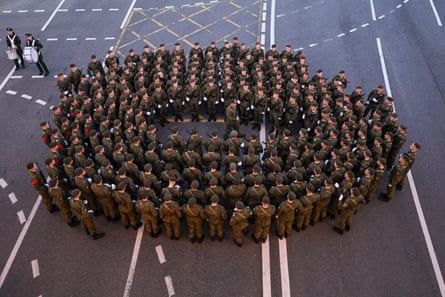
Ukrainian President Volodymyr Zelenskyy has launched a scathing condemnation of the Kremlin's diplomatic approach, accusing Russian leadership of demonstrating "utter cynicism" by orchestrating deadly overnight military strikes while simultaneously proposing a temporary ceasefire arrangement. The proposed truce, according to Zelenskyy's statements, appears designed primarily to allow Moscow to conduct its military parade celebrations without interference, presenting a stark contradiction to the simultaneous bombing campaign targeting Ukrainian civilian and energy infrastructure.
The overnight assault targeted critical energy infrastructure in Ukraine's central Poltava region, resulting in significant casualties and widespread damage. Three employees working for Ukraine's state-owned energy company Naftogaz lost their lives during an initial strike on a major gas facility, which serves as a vital component of Ukraine's energy supply network. The tragic loss of life was compounded when emergency response personnel arrived at the scene to assist survivors and contain the damage, triggering a second wave of bombing that claimed two additional lives from emergency services.
The Poltava gas facility attack represents another chapter in the ongoing pattern of Russian strikes against Ukrainian energy infrastructure. These deliberate attacks on power generation and distribution facilities have become a hallmark of the Russian military campaign, causing widespread humanitarian consequences across the nation. The targeting of civilian energy workers underscores the civilian toll of the ongoing conflict and raises serious questions about the proportionality of military operations.

In total, the coordinated bombing runs left 37 people injured, with many suffering severe burns, blast injuries, and other trauma-related wounds requiring immediate medical intervention. The scale of casualties reflects the intensity and destructive power of the Russian military strikes that continue to plague Ukrainian territory. First responders and medical personnel worked through the night to provide emergency care and transport wounded victims to hospitals throughout the Poltava region.
Zelenskyy's public rebuke of Russian "cynicism" draws attention to what Ukrainian officials perceive as a fundamental disconnect between diplomatic overtures and military actions. The timing of the assault—occurring simultaneously with negotiations or proposals regarding temporary truces—demonstrates what Zelenskyy characterizes as Moscow's insincerity in peace discussions. This contradiction raises serious questions about the viability of any negotiated settlement while military operations continue unabated against civilian targets.
The proposed military parade ceasefire mentioned by Zelenskyy would theoretically provide Russia with a temporary respite to conduct its traditional military procession in Moscow's Red Square, typically held to commemorate military victories and national pride. However, the Ukrainian president argues that seeking such a truce while simultaneously attacking civilian infrastructure and killing energy workers represents an unprecedented level of hypocrisy in diplomatic negotiations. The contradiction between seeking peaceful arrangements for ceremonial purposes while maintaining aggressive military operations challenges the legitimacy of any Russian peace overtures.
Naftogaz, the state energy company that employed three of the deceased workers, represents a critical institution in Ukraine's energy security and infrastructure. The deliberate targeting of the company's facilities and personnel suggests a calculated strategy to disable Ukraine's energy production and distribution capabilities. Such attacks have created severe energy shortages throughout Ukrainian territories, affecting hospitals, heating systems, and essential civilian services that depend on reliable power supplies.
The deaths of emergency service workers in the follow-up bombing highlight another tragic consequence of Russian military tactics. First responders rushing to assist survivors and contain damage became secondary targets in a pattern that humanitarian organizations have documented repeatedly throughout the conflict. These secondary strikes on emergency personnel represent a particularly concerning escalation that endangers rescue operations and medical response efforts.
Zelenskyy's condemnation reflects broader Ukrainian frustration with what officials describe as Russian bad faith in diplomatic discussions. The Ukraine-Russia conflict has been characterized by recurring cycles of apparent negotiations followed by renewed military offensives, creating a pattern of broken trust and shattered agreements. The latest incident reinforces Ukrainian skepticism about any Russian proposals for temporary truces or negotiated settlements.
The Poltava region, located in central Ukraine, has experienced multiple waves of attacks throughout the ongoing conflict as Russian forces attempt to degrade Ukrainian military and civilian capabilities. The targeting of energy infrastructure in this region represents part of a broader strategic effort to weaken Ukrainian resistance and create humanitarian suffering. Repeated attacks on similar facilities throughout Ukraine have prompted international concern about potential war crimes and violations of international humanitarian law.
The injured civilians from the Poltava strikes required immediate medical treatment for various injuries sustained in the explosions. Hospitals in the region mobilized additional resources and personnel to accommodate the surge in casualties, straining already-stretched medical services. Many victims face long-term recovery and rehabilitation requirements as a result of their injuries.
International observers and humanitarian organizations have raised alarms about the pattern of Russian attacks on civilian infrastructure and non-military targets throughout the conflict. These attacks appear designed to maximize civilian suffering and economic damage rather than achieve specific military objectives. The international community has called for investigations into potential war crimes and accountability for those responsible for targeting civilian populations and critical infrastructure.
Zelenskyy's statement underscores the fundamental challenges facing any diplomatic efforts to end the conflict while military operations continue at such intensity. The juxtaposition of seeking temporary truces for ceremonial purposes while conducting deadly attacks on civilian infrastructure demonstrates what Ukrainian leadership views as the fundamental contradictions in Russian negotiating positions. These contradictions suggest that achieving a durable peace settlement will require far more substantial shifts in Russian military and diplomatic strategy than mere temporary truces for national celebrations.


