
Zoox's Custom Robotaxi Design Starts With Sensors

How Amazon-owned Zoox designed a purpose-built autonomous vehicle from scratch, prioritizing sensors and AI over retrofitted existing cars for their robotaxi service.
The landscape of autonomous vehicle development has undergone a dramatic transformation over the past decade. While self-driving technology dominated the conversation at major tech conferences during the 2010s, with nearly every major automaker and startup unveiling their visions for driverless futures, the industry has since consolidated significantly. Today, only a handful of dedicated robotaxi companies continue to operate and expand their services, but those that remain have achieved remarkable technological maturity. In cities like San Francisco and Austin, Texas, it's increasingly common to spot dozens of sensor-equipped autonomous vehicles navigating urban streets alongside conventional traffic, representing a tangible shift from concept to reality.
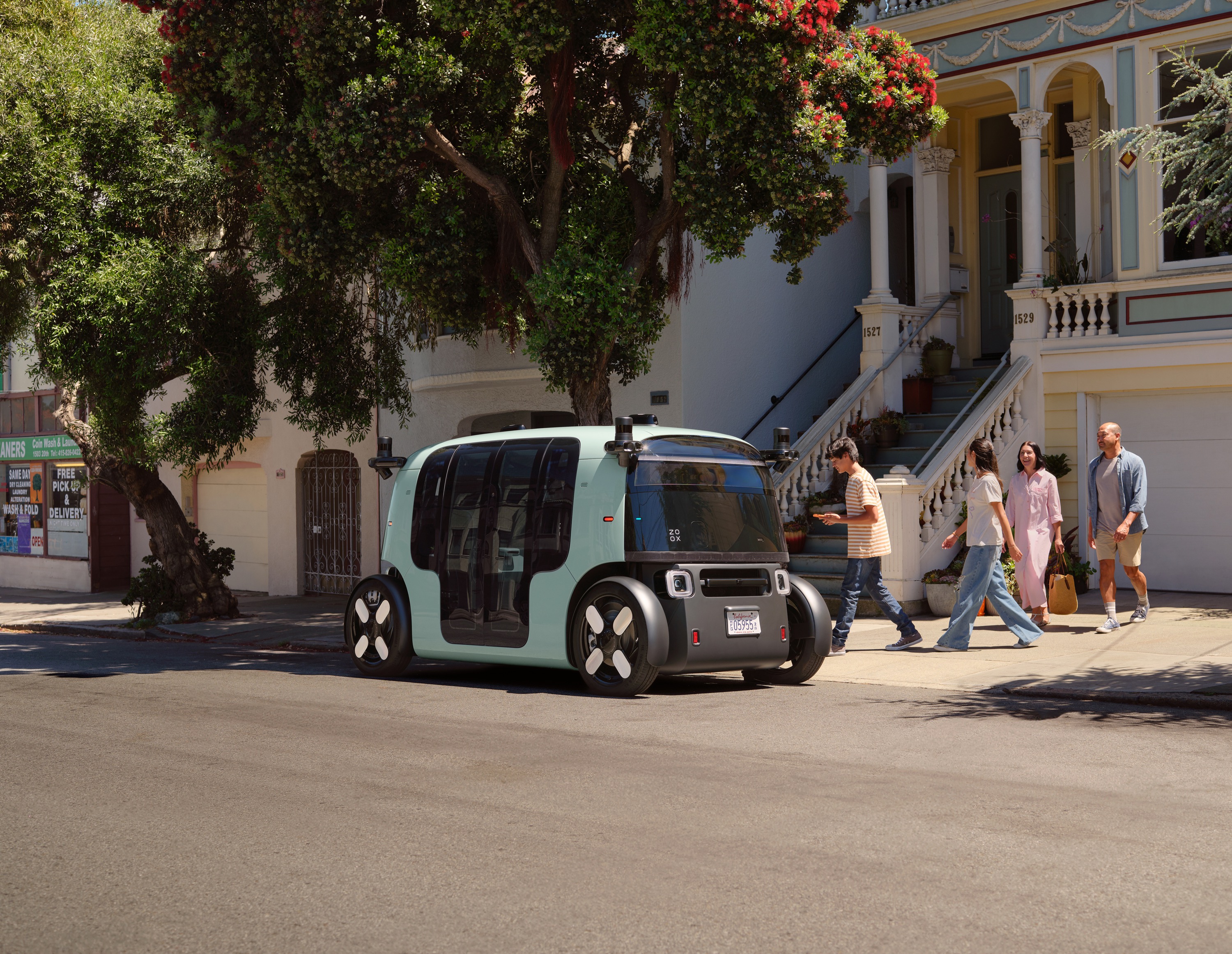
Among the most visually distinctive players in the autonomous vehicle market is Zoox, the Amazon-backed startup that has taken a fundamentally different approach to robotaxi development. While competitors have predominantly followed a retrofitting strategy—integrating sophisticated sensor arrays and autonomous driving systems into existing vehicle platforms from manufacturers like Hyundai—Zoox pursued an entirely different path. The company initially used converted vehicles for its test fleet, but as it transitions toward commercial ride-hailing services in markets including Las Vegas and San Francisco, Zoox has deployed custom-designed robotaxis that appear almost extraterrestrial in their aesthetic. These distinctive pod-shaped vehicles represent a wholesale reimagining of what a purpose-built autonomous taxi should look like.
The strategic decision to design vehicles from the ground up, rather than adapting existing automotive platforms, reflects a fundamental philosophy about autonomous transportation. According to Chris Stoffel, director of robot industrial design and studio engineering at Zoox, this approach addresses a critical insight about the nature of autonomous vehicles themselves. "A robotaxi is not a car; it's not a human-driven vehicle, and the requirements are wildly different, although it has to live in that world," Stoffel explained, highlighting how the constraints and possibilities for autonomous vehicles differ substantially from traditional automobiles.
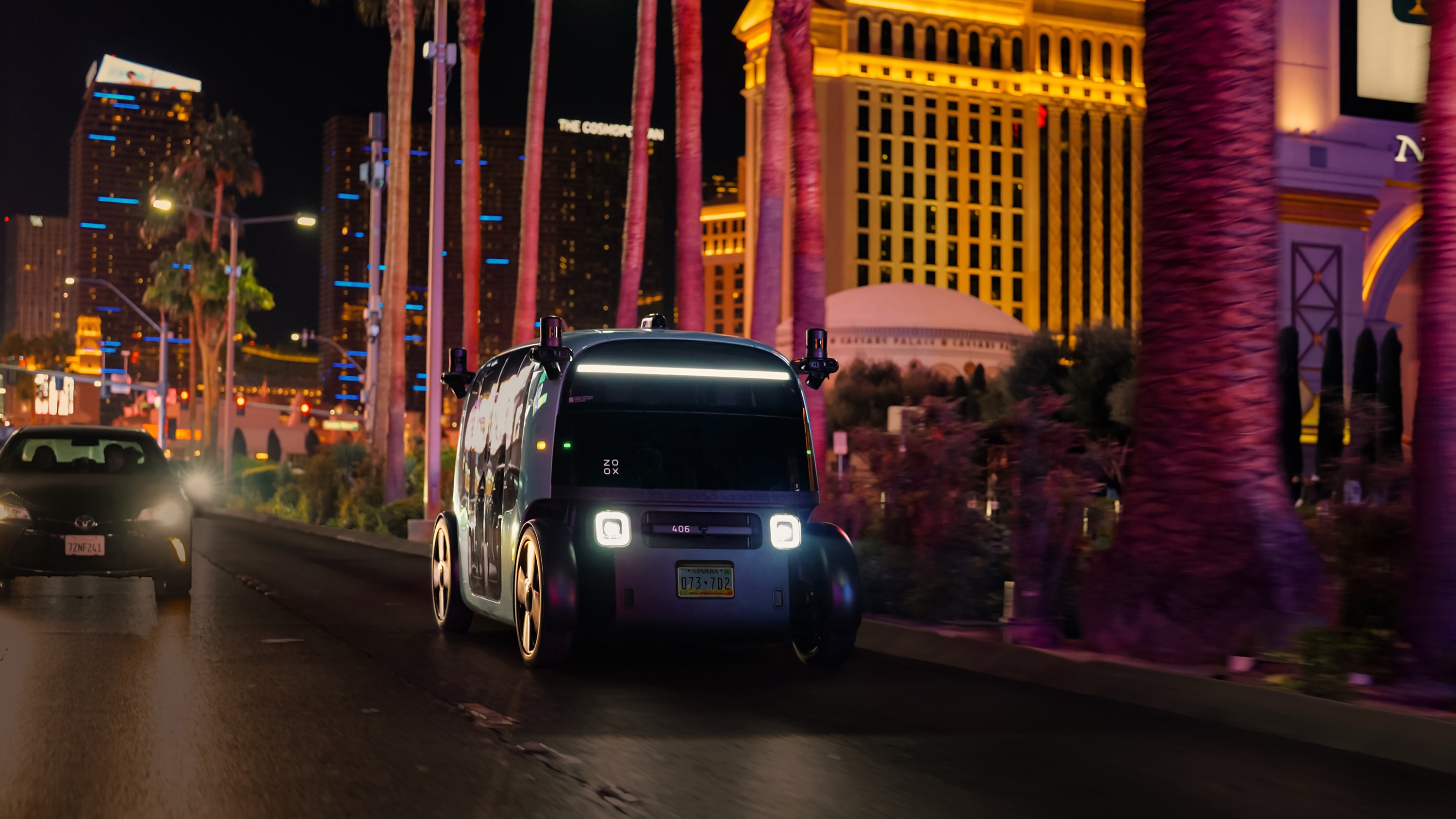
The philosophical distinction that Stoffel articulates—that a robotaxi design must fundamentally depart from conventional automotive engineering—serves as the foundational principle behind Zoox's entire development process. Traditional vehicles are engineered with significant consideration for human drivers and passengers, including steering wheels, pedals, and control interfaces designed for manual operation. In contrast, autonomous vehicles have no need for such driver-centric features and can optimize their designs around entirely different priorities. For Zoox, this meant starting not with traditional automotive architecture, but with the sensor technology that enables autonomous navigation and decision-making.
The sensor-first design philosophy fundamentally altered how Zoox approached the engineering challenge of creating a robotaxi. Rather than beginning with a familiar vehicle platform and figuring out where to mount cameras, lidar units, and radar arrays—as traditional retrofit approaches require—Zoox architects could design the entire vehicle structure around optimal sensor placement and performance. This methodology allows for more efficient sensor integration, better field-of-view coverage, and more streamlined packaging that doesn't compromise the vehicle's practical utility or aesthetic coherence. The resulting design bears little resemblance to conventional cars, featuring a compact, symmetrical form factor that maximizes interior passenger space while providing 360-degree environmental awareness capabilities.
The acquisition of Zoox by Amazon in 2020 provided the financial and organizational resources necessary to pursue this ambitious custom-design strategy. With Amazon's backing, Zoox could invest the substantial capital required to develop proprietary autonomous vehicle platforms from scratch, rather than remaining constrained by existing automotive supplier ecosystems. This proved crucial, as designing and manufacturing a completely novel vehicle platform demands expertise spanning mechanical engineering, software development, manufacturing processes, and regulatory compliance across multiple jurisdictions. The company's transformation from startup to Amazon subsidiary accelerated its path toward commercialization while granting access to Amazon's considerable logistics, cloud computing, and operational expertise.
Operating commercial robotaxi services in complex urban environments like San Francisco and Las Vegas represents an enormous technical and operational achievement. These cities present some of the most challenging conditions for autonomous vehicle operation, featuring dense traffic, unpredictable pedestrian behavior, complex traffic patterns, and challenging weather conditions in some cases. Successfully navigating these environments requires not only sophisticated autonomous driving systems but also robust operational infrastructure including real-time monitoring centers, maintenance facilities, and customer service operations. Zoox's decision to operate in these demanding markets demonstrates confidence in its technological maturity and operational readiness.
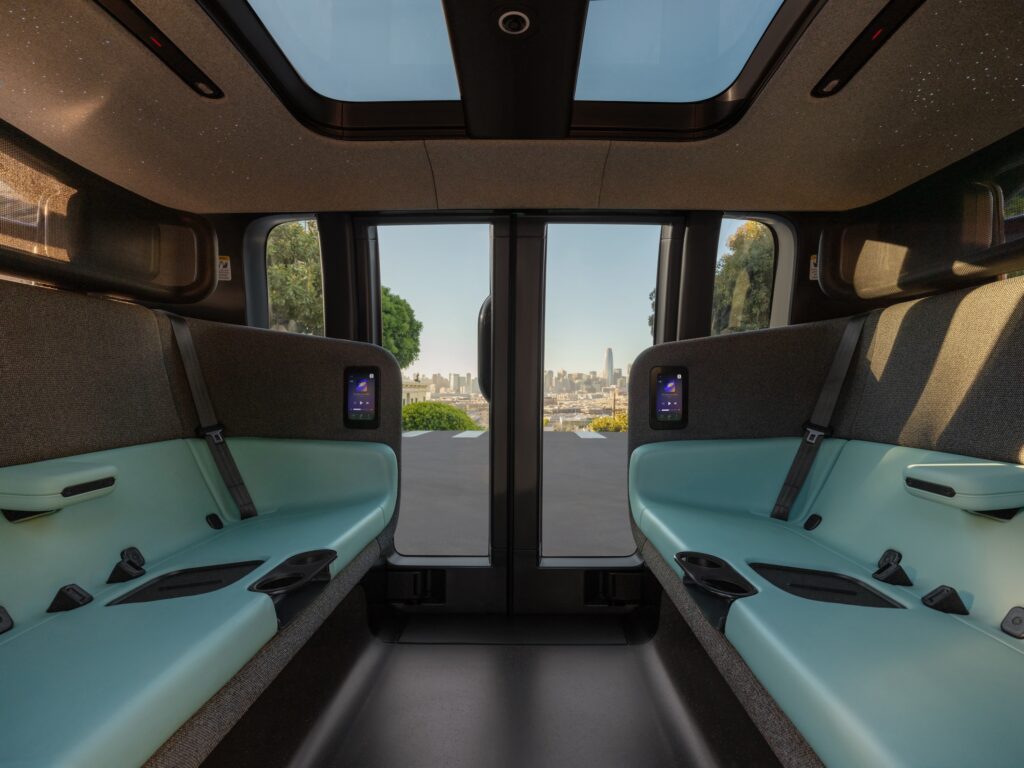
The custom design approach offers distinct advantages beyond mere aesthetics or philosophical purity. From a practical standpoint, a purpose-built robotaxi can be optimized for the specific economics and operational requirements of ride-hailing services. The compact footprint and efficient interior packaging can improve operational efficiency, reducing the cost per ride while improving passenger comfort. The symmetrical design allows the vehicle to pick up and drop off passengers from either side, potentially streamlining fleet operations in urban environments. Furthermore, the distinctive appearance and futuristic aesthetic may provide marketing and brand differentiation advantages in competitive markets, making Zoox vehicles instantly recognizable to consumers evaluating autonomous ride-hailing options.
The emergence of purpose-built robotaxis also reflects broader maturation in the autonomous vehicle industry's understanding of what these vehicles need to be. Early projections assumed that autonomous technology could simply be grafted onto existing vehicle platforms with minimal modification. Experience has demonstrated that truly optimized autonomous vehicles benefit from ground-up design that eliminates unnecessary complexity and maximizes operational efficiency. This realization has led multiple organizations to pursue custom platform development, though Zoox remains among the most visible examples of this approach currently operating commercial services. The company's example suggests that as the industry continues evolving, more purpose-built designs may emerge across different market segments and geographic regions.
Looking forward, Zoox's approach to robotaxi development provides a template for how autonomous vehicle companies might optimize their platforms. By prioritizing sensor integration and autonomous operation requirements from the design phase rather than retrofitting existing vehicles, manufacturers can create more efficient, more capable, and potentially more cost-effective autonomous systems. As the technology continues maturing and regulatory frameworks solidify across different jurisdictions, the competitive advantages offered by purpose-built design may become increasingly significant. Zoox's current operations in major American cities will provide valuable data about consumer adoption, operational efficiency, and real-world performance that will inform the entire industry's trajectory moving forward.
Source: Ars Technica


