
Apple's Camera AirPods Raise Major Privacy Concerns

Apple's upcoming camera-equipped AirPods spark debate over surveillance, privacy, and wearable technology. Experts question the implications of always-on cameras in personal devices.
The tech industry has long been obsessed with seamlessly integrating cameras into every conceivable device, and Apple's rumored camera-equipped AirPods represent perhaps the most invasive iteration of this trend yet. As wearable technology continues to evolve at a breakneck pace, the prospect of having a camera positioned directly near one's face raises profound questions about privacy, consent, and the extent to which our personal spaces have become subject to constant surveillance.
The notion of camera-enabled earbuds isn't entirely new in concept, but Apple's influence in the consumer electronics market means that such a device would likely achieve widespread adoption in ways that competing products never could. When the Cupertino company enters a product category, it typically sets the standard for how consumers view and adopt that technology. This reality makes the privacy implications of camera-equipped AirPods particularly troubling, as millions of users may unknowingly or reluctantly embrace a new surveillance paradigm simply because the product bears Apple's iconic branding.
The fundamental concern surrounding wearable camera technology centers on the creation of what critics have termed a "panopticon"—a metaphorical structure in which individuals are constantly watched and monitored. Unlike smartphones or laptops, which users can choose to set down and disconnect from, earbuds remain in close proximity to the face and ears throughout the day. This persistent positioning means that a camera built into AirPods would theoretically capture footage of everything in a user's immediate visual field during extended periods of wear.
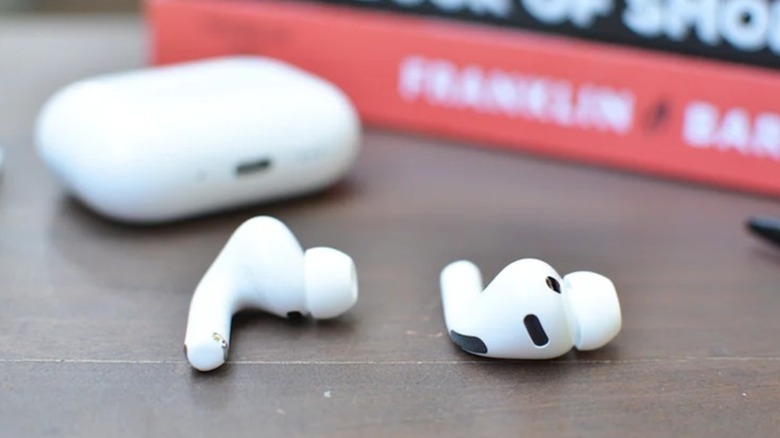
What makes this scenario even more concerning is the potential for abuse and misuse that such technology creates. While Apple typically emphasizes its privacy-focused design principles, even the most well-intentioned security architecture can be compromised through software vulnerabilities, hacking attempts, or unauthorized access. The history of consumer technology is littered with examples of surveillance capabilities being exploited in ways that manufacturers never anticipated or intended, and there's no reason to believe that camera-equipped AirPods would be immune to such risks.
The question of consent and awareness adds another layer of complexity to this issue. Not only would users of camera-equipped AirPods be recording everything they see, but they would potentially be recording others in their immediate vicinity without those individuals' explicit knowledge or permission. This creates significant ethical and legal concerns, particularly in jurisdictions with strict privacy laws like those in Europe. Imagine sitting in a coffee shop next to someone wearing camera-enabled AirPods—you would have no way of knowing that your image was being captured, and no opportunity to object or opt out of that recording.
Apple's track record on privacy is decidedly mixed, which should give us pause as we consider this new product category. While the company has made strong public statements about protecting user privacy and limiting data collection, its actual practices frequently tell a different story. From the controversial CSAM detection system that faced widespread backlash to various data-sharing arrangements with third parties, Apple has repeatedly demonstrated that its privacy commitments are often secondary to business considerations and law enforcement cooperation.
The technological challenges of implementing secure on-device processing for video footage also deserve consideration. Unlike audio processing, which AirPods already handle efficiently, video analysis requires significantly more computational power and generates vastly larger data files. This means that camera-equipped AirPods would likely need to rely on cloud processing for meaningful video analysis or storage, further expanding the opportunities for data breaches, unauthorized access, and invasive monitoring by Apple itself or its partners.
Beyond the direct privacy concerns, camera-equipped AirPods would fundamentally alter the social dynamics of public spaces. If a significant portion of the population is constantly recording video of their surroundings, we would be living in a world where surveillance is ubiquitous and unavoidable. The ability to move through public spaces without being recorded—a freedom that previous generations largely took for granted—would effectively disappear. This shift toward total documentation would have profound implications for freedom of movement, freedom of assembly, and basic human dignity.
There's also the matter of data security and potential misuse by bad actors. If AirPods were to capture video footage, that data would become an extraordinarily attractive target for hackers, data brokers, and other malicious parties. The financial incentives to breach such a system would be enormous, given the intimate and sensitive nature of the footage being recorded. Unlike a smartphone theft, which might compromise financial information or personal communications, theft or hacking of video-recording AirPods would provide criminals with direct access to continuous visual surveillance of someone's entire daily life.
The regulatory landscape surrounding wearable surveillance technology remains largely underdeveloped and inadequate to address these challenges. While some jurisdictions have begun implementing rules around audio recording in public spaces, video recording presents entirely different legal and ethical questions that most governments have yet to seriously grapple with. By the time coherent regulations are developed, market adoption of camera-equipped AirPods could be so widespread that rolling back the technology becomes nearly impossible from both practical and political standpoints.
Consumer choice and informed consent also enter the equation in troubling ways. Apple's marketing prowess means that new wearable innovations are often presented to consumers as desirable upgrades without adequately highlighting the privacy trade-offs involved. Users might feel social or professional pressure to adopt camera-equipped AirPods if they become the industry standard, even if they harbor serious reservations about the technology. The framing of these devices as "convenient" or "innovative" obscures the fundamental question of whether we should be willing to live under conditions of constant visual surveillance.
The implications for children and vulnerable populations deserve special attention as well. Young people and others who may not fully understand the privacy implications of camera-equipped AirPods could be particularly susceptible to adoption without meaningful comprehension of the consequences. Parents purchasing these devices for their children might not fully appreciate the extent to which they're enabling detailed tracking of their offspring's visual environment and social interactions throughout the day.
Ultimately, the push toward ubiquitous camera surveillance through wearable devices like camera-equipped AirPods reflects a troubling trajectory in consumer technology development. Rather than asking whether we should be capturing every moment of our lives and our surroundings, manufacturers are simply assuming that we will and building products accordingly. This assumption deserves to be challenged vigorously before we sleepwalk into a future where privacy becomes an obsolete concept and our entire existence is subject to continuous visual documentation and potential misuse.
来源: Engadget


