
Trump Confirms US-Iran Ceasefire Despite Strait Tensions

Trump maintains ceasefire with Iran remains intact following military exchange in Strait of Hormuz. Iran disputes claims, alleging US violated truce.
The US-Iran ceasefire remains operative despite recent military tensions in one of the world's most strategically critical waterways, according to statements from the Trump administration. The declaration comes in the aftermath of a significant exchange of fire in the Strait of Hormuz, a narrow maritime passage through which approximately one-third of the world's seaborne traded oil transits daily. Trump's confirmation of the ceasefire's continuation suggests both nations are committed to maintaining their fragile agreement despite mounting provocations and accusations of violations.
The incident that sparked renewed tensions involved what Iran characterizes as an unprovoked American military operation targeting commercial shipping infrastructure in international waters. According to Iranian officials, US forces attacked an oil tanker operating under Iranian registry, directly violating the terms of the established ceasefire agreement. Additionally, Iran's military leadership announced that American forces conducted bombing campaigns against coastal installations and military positions located along Iran's southern shoreline, further escalating the situation in an already volatile region.
Iranian government representatives have formally lodged diplomatic protests through multiple channels, emphasizing that the alleged American actions constitute clear breaches of the international ceasefire agreement that both nations had previously committed to upholding. The Islamic Republic's defense ministry released detailed statements documenting what they claim are specific times, locations, and targets of American military operations that violated the agreed-upon terms. These accusations have been broadcast through state-controlled media outlets and shared with international observers tasked with monitoring compliance with the ceasefire provisions.
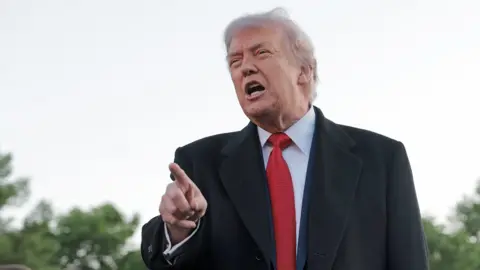
Despite Tehran's pointed accusations and the undeniable military engagement that occurred, the Trump administration has maintained that the ceasefire remains in effect and that the recent exchange of fire does not represent a fundamental collapse of the agreement. American officials have countered Iran's claims by asserting that any military actions undertaken were strictly defensive in nature and were executed in response to Iranian provocations or threats to American personnel and assets operating in the region. The administration's position suggests a deliberate effort to prevent the incident from derailing ongoing diplomatic efforts or leading to further military escalation.
The Strait of Hormuz crisis represents a continuation of longstanding tensions between the two nations, whose relationship has been marked by decades of hostility, military posturing, and periodic direct confrontations. The strategic waterway, connecting the Persian Gulf to the Gulf of Oman and ultimately the Arabian Sea, serves as a vital conduit for international energy supplies and commercial trade. Any disruption to shipping routes through this passage carries significant implications for global oil markets, international commerce, and the economic stability of nations dependent on energy imports from the Middle East.
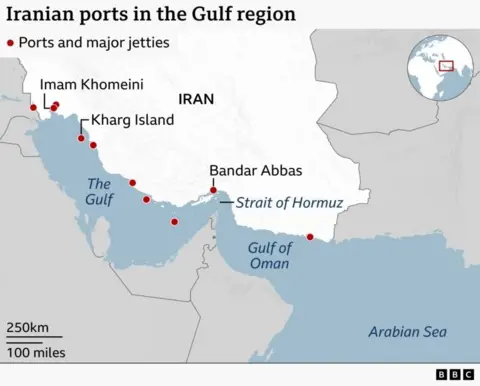
The oil tanker incident that precipitated the current tensions has drawn particular attention from international maritime observers and energy sector analysts. Attacks on commercial shipping vessels in the region have a documented history dating back several years, with multiple incidents attributed to various Iranian-backed militias, American naval forces, and other regional actors. The targeting of commercial vessels represents a significant escalation from typical military posturing, as such actions directly threaten civilian crews and critical global energy infrastructure. Insurance companies, shipping companies, and oil traders have all expressed heightened concern regarding the safety and viability of continued commercial operations in the Strait of Hormuz.
Trump's assertion that the ceasefire remains intact requires careful examination in light of the documented military exchanges that have occurred. The definition and enforcement mechanisms of the US-Iran military agreement appear to include provisions that permit defensive operations and responses to perceived threats, creating ambiguity regarding what constitutes a violation. This ambiguity may explain why both nations can simultaneously claim adherence to the ceasefire while engaging in active military operations. The situation highlights the complexity of negotiating and maintaining agreements between adversaries with fundamentally incompatible strategic objectives and deep historical grievances.
International observers and regional analysts have expressed significant concern about the sustainability of the current arrangement. The fragile ceasefire agreement between the United States and Iran lacks strong institutional enforcement mechanisms or international guarantors capable of compelling either party to comply with established provisions. Past ceasefire agreements in the Middle East have frequently collapsed when facing similar pressures and provocations, suggesting that the current truce could face serious challenges in the coming weeks and months. Diplomatic channels remain open, but confidence in their effectiveness continues to erode with each new incident.
The broader context of American-Iranian relations continues to shape how both nations approach the ceasefire and any future military engagements. Underlying disputes regarding nuclear weapons development, regional influence, support for proxy militias, and historical grievances remain unresolved and continue to fuel mutual suspicion. The Trump administration's handling of these tensions reflects broader strategic considerations regarding American interests in the Middle East, including military commitments to regional allies such as Saudi Arabia and the United Arab Emirates, both of whom view Iranian expansion with alarm.
Implications for global energy markets remain significant as long as the Strait of Hormuz security remains uncertain. Traders and analysts continue to monitor developments closely, aware that any serious disruption to shipping through the passage could trigger significant increases in oil prices and create cascading effects throughout the global economy. The aviation industry, transportation sector, and manufacturing industries worldwide all depend on stable energy supplies and the economic predictability that comes from uninterrupted access to Middle Eastern petroleum reserves. The ceasefire's maintenance, therefore, carries importance far beyond the bilateral relationship between America and Iran.
Looking forward, sustained adherence to the ceasefire framework will require both sides to exercise significant restraint and show willingness to tolerate provocative actions from the other party without responding with further escalation. Historical precedent suggests this will prove extraordinarily challenging, particularly given the recent military exchange and ongoing accusations of violations. The coming weeks will likely prove critical in determining whether the current agreement can survive or whether new rounds of military confrontation will ultimately render it obsolete. Trump's continued insistence that the ceasefire remains viable suggests the administration remains committed to the diplomatic approach, at least for the immediate future.
来源: BBC News


