
AcuRite Forces Users to Switch Apps by May 30

Weather-monitoring company AcuRite is discontinuing its legacy app, forcing customers to migrate to AcuRite Now. Here's what you need to know.
AcuRite, a leading weather-monitoring company, has announced a significant shift in its digital strategy that's leaving many long-time customers frustrated and concerned. The firm is mandating that all device owners transition to a new companion app by May 30, effectively discontinuing support for the legacy platform that has served users since 2016. This forced migration represents a major change in how customers interact with their weather devices and has sparked considerable backlash within the user community.
The company, which manufactures a diverse range of weather-related products including precision weather stations, digital indoor thermometers, advanced rain gauges, and various environmental monitoring devices, initiated the transition process by sending emails to its customer base last month. These communications outlined the mandatory switch to the AcuRite Now application, available on both iOS and Android platforms, signaling an end to the My AcuRite app era that has provided reliable functionality for nearly a decade.
AcuRite's decision to launch the AcuRite Now app began in June 2025, originally designed to control the new AcuRite Optimus weather station model. At that time, the company maintained backward compatibility by allowing existing device owners to continue using the older My AcuRite app. However, this grace period has now expired, and AcuRite is consolidating its mobile app ecosystem into a single platform, making AcuRite Now the sole official application for controlling all AcuRite devices.

The discontinuation of My AcuRite marks a significant turning point for the company's customer experience strategy. The transition has created uncertainty among device owners who have invested in AcuRite products over the years, expecting continued support for the existing app infrastructure. Many customers have expressed concerns about potential compatibility issues, data migration challenges, and the overall user experience differences between the two mobile applications.
The official AcuRite website now displays messaging indicating that My AcuRite will no longer receive updates or support, with all functionality consolidated into the newer AcuRite Now platform. This consolidation strategy, while potentially streamlining development efforts and reducing technical debt for the company, has created a challenging situation for the estimated thousands of users who relied on the familiar interface and features of the original app.
Industry observers note that forced app migrations are increasingly common among consumer technology companies seeking to modernize their digital infrastructure and implement updated features. However, such transitions often create friction with loyal customers who have grown accustomed to existing workflows and interfaces. The forced migration timeline of May 30 provides customers with a specific deadline to transition their devices, but many have raised questions about the sufficiency of this notice period and the overall change management communication.
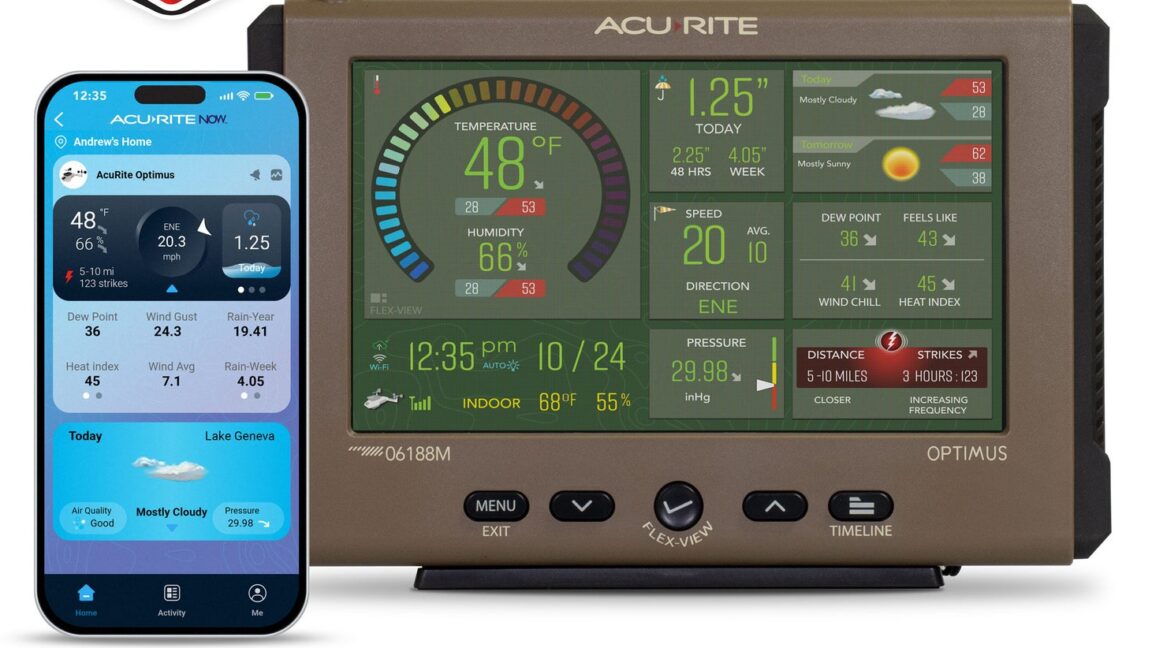
For AcuRite device owners, the practical implications of this transition extend beyond simply downloading a new app. Users must transfer their device configurations, historical data, and custom settings from the legacy platform to the new system. Some customers have reported concerns about whether all data will transfer smoothly and whether the new app provides feature parity with the version they've been using.
The AcuRite Now application does include modern features such as improved user interface design, enhanced data visualization, and additional integration capabilities that weren't available in the older My AcuRite platform. However, the mandatory nature of the transition has overshadowed these improvements in many customers' minds, with users preferring the option to upgrade rather than being forced into a new ecosystem.
Customer feedback on various technology forums and review platforms has been mixed, with some users acknowledging the necessity of modernization while others express frustration at the lack of flexibility. Several long-time AcuRite customers have indicated they may explore alternative weather monitoring solutions from competing manufacturers if the migration proves problematic or if they feel the new app fails to meet their needs.

AcuRite has not provided extensive public documentation explaining the technical reasons behind the forced consolidation, which has fueled speculation among tech-savvy users about the underlying infrastructure challenges that may have motivated this decision. Some community members have suggested that maintaining two separate codebases and cloud infrastructure for both apps may have become economically unsustainable for the company.
The company has encouraged affected users to download the AcuRite Now app in advance of the May 30 deadline and familiarize themselves with its interface and features. AcuRite has also indicated that customer support resources are available to assist with the transition process, though the extent and quality of these support services remain unclear to many existing users.
For potential new customers considering AcuRite products, this transition represents an opportunity to start fresh with the latest app platform. However, for established users with years of historical data and custom configurations stored within My AcuRite, the forced migration presents a significant inconvenience that has tarnished the company's reputation among this loyal user base.
As the May 30 deadline approaches, AcuRite faces mounting pressure to ensure a smooth transition experience and to provide comprehensive guidance and support to its affected customer base. The success of this migration will likely influence customer retention rates and the company's reputation in the competitive weather monitoring device market. How effectively AcuRite manages this transition period may serve as a case study for other consumer technology companies considering similar consolidation strategies with their own user communities.
Source: Ars Technica


