
Tesla Robotaxi Crashes Reveal Safety Concerns

Two recent crashes involving Tesla robotaxis operated remotely raise questions about autonomous vehicle safety and progress toward fully driverless technology.
Tesla's autonomous vehicle program faces renewed scrutiny following two separate crash incidents involving robotaxis that were being remotely operated since July 2025. These accidents have reignited debate about the readiness of self-driving technology and the pace of development in Tesla's ambitious autonomous fleet initiative. The incidents underscore challenges that remain in achieving truly reliable autonomous transportation systems.
The crashes, which occurred within a relatively short timeframe, involved vehicles that were under the control of remote operators rather than fully autonomous systems. This distinction is significant, as it highlights the current limitations of Tesla's technology and the continued reliance on human intervention during critical situations. Remote operation capabilities were designed as a fallback measure, but their involvement in these incidents suggests that the transition from supervised autonomy to complete automation remains a work in progress.
Industry experts have long cautioned that the path to fully autonomous vehicles requires exhaustive testing and validation across countless driving scenarios. Tesla's robotaxi program, which launched with considerable fanfare, has promoted the vision of autonomous vehicles as a transformative technology. However, the recent crash data serves as a sobering reminder that significant technical and safety challenges persist.
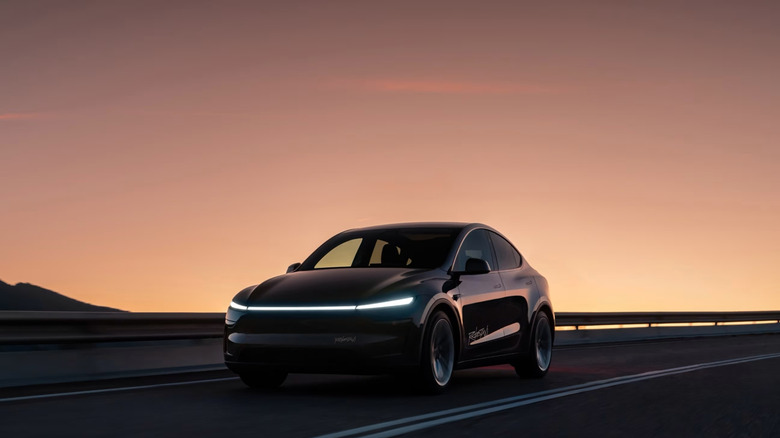
The first incident involving a Tesla robotaxi this summer marked a concerning moment for the company's autonomous driving aspirations. While Tesla has invested heavily in developing perception systems and decision-making algorithms, the accident raised questions about sensor reliability and edge-case handling. The second crash compounded these concerns, suggesting that isolated incidents may point to broader systemic issues rather than one-off anomalies.
Remote operation represents a crucial middle ground between traditional human driving and fully autonomous vehicles. Operators stationed away from the vehicle can theoretically intervene when the autonomous system encounters unexpected situations. However, the latency inherent in remote communication and the complexity of quickly assessing real-world driving scenarios can create dangerous windows where neither the vehicle nor the remote operator effectively controls the vehicle.
Autonomous vehicle safety depends on multiple layers of redundancy and fail-safe mechanisms. Tesla's approach relies heavily on artificial intelligence and computer vision systems that must interpret the driving environment accurately. The involvement of remote operators in these crashes suggests that even when human oversight is available, preventing accidents remains challenging.
The regulatory landscape surrounding autonomous vehicles continues to evolve, with different jurisdictions implementing varying safety standards and testing requirements. Tesla's robotaxi program operates in a complex patchwork of local regulations, some more permissive than others. These crashes will likely influence future regulatory decisions and may prompt stricter oversight of autonomous vehicle deployment.
Competitors in the autonomous vehicle space, including Waymo and Cruise, have also experienced setbacks and crashes during their development phases. However, Tesla's high-profile approach and ambitious timeline have attracted greater scrutiny. The company's willingness to deploy robotaxis in multiple cities while still developing core autonomous capabilities has invited criticism from safety advocates.
The financial implications of these incidents extend beyond immediate repair costs and insurance claims. Investor confidence in Tesla's autonomous vehicle program may be affected by perceptions of safety concerns. Additionally, public confidence in robotaxi services depends critically on demonstrated safety records, and accidents create negative associations that can slow adoption rates.
Technical analysis of these crashes will be critical for understanding what went wrong and how similar incidents can be prevented in the future. Accident investigation teams will examine sensor data, algorithmic decisions, and the response time of remote operators. This forensic analysis could reveal whether the failures stemmed from hardware limitations, software errors, or operator response delays.
Tesla's timeline for achieving fully autonomous vehicles has been repeatedly extended beyond initial projections. The company has faced considerable pressure to demonstrate progress toward its ultimate goal of a completely driverless fleet. However, these recent crashes underscore that rushing development without adequate safety validation carries significant risks both for passengers and for the broader autonomous vehicle industry.
The role of remote operators in these incidents raises important questions about the transition strategy toward full automation. If remote operators cannot reliably prevent crashes even when able to monitor the vehicle, this suggests that the underlying autonomous systems require further refinement before reaching production readiness. The human safety net may have exposed limitations in the technology rather than providing the security blanket originally envisioned.
Vehicle safety standards and testing protocols are likely to be re-evaluated in light of this incident data. Regulatory bodies may mandate additional simulation testing, real-world validation requirements, or enhanced sensor redundancy before autonomous vehicle deployment can proceed. These measures could significantly extend development timelines across the industry.
Looking forward, Tesla faces pressure to demonstrate meaningful improvements in its autonomous systems and to rebuild confidence among regulators, investors, and the public. The company's response to these crashes—whether through enhanced safety features, modified operational protocols, or accelerated development of core autonomous capabilities—will be closely monitored by industry stakeholders and competitors.
The broader narrative around autonomous vehicles is shifting from unbridled optimism to more measured expectations about timelines and technical challenges. These Tesla robotaxi crashes contribute to a growing body of evidence that autonomous driving technology remains more complex than initially anticipated. While the long-term potential of autonomous vehicles remains significant, the path to that future continues to be longer and more complicated than many had hoped.
Source: Engadget


