
Ahmadinejad: US and Israel's Unlikely Iran Leader

Former Iranian president Mahmoud Ahmadinejad becomes focus of alleged US-Israel plot. Populist leader's rift with Tehran regime explored in geopolitical analysis.
In a striking geopolitical development that has captured international attention, Mahmoud Ahmadinejad, the populist former president of Iran, has reportedly become the unlikely centerpiece of what sources describe as a coordinated effort by the United States and Israel to reshape Iranian leadership. This unexpected alliance between Western powers and a figure once considered among their most vocal adversaries underscores the complex and often counterintuitive nature of modern Middle Eastern politics, where pragmatism sometimes trumps ideology.
The emergence of this potential Iran leadership plot appears to stem from Ahmadinejad's deteriorating relationship with the current Tehran regime, creating what analysts view as an opportunistic moment for external powers to exploit internal Iranian divisions. His falling-out with Supreme Leader Ayatollah Khamenei and the broader clerical establishment has positioned the former president as a potentially more malleable figure compared to the entrenched power structure that currently governs the Islamic Republic. This calculated move reveals how both American and Israeli policymakers have sought to identify and cultivate alternative power centers within Iran.
The similarities between Ahmadinejad and Donald Trump, while superficially paradoxical, provide crucial insights into understanding this geopolitical gambit. Both leaders have cultivated populist political movements, each claiming to speak for ordinary citizens against entrenched elites. Both have relied heavily on nationalist rhetoric and appeals to common grievances among their respective populations. Despite their apparent ideological opposition throughout the 2000s and 2010s, their shared populist approaches to governance and their ability to mobilize grassroots support suggest potential avenues for unexpected diplomatic engagement.

Nearly two decades ago, a notable visit to Ahmadinejad's Tehran neighborhood provided telling evidence of the economic struggles that defined his presidency and foreshadowed similar cost-of-living crises that would later plague Trump's political fortunes. The modest residential area where Iran's then-president resided starkly contrasted with the opulent estates typically associated with high-ranking government officials. This deliberate choice to live humbly, whether genuine or performative, became a cornerstone of Ahmadinejad's public image as a leader of the people rather than an isolated member of the elite.
The economic hardships visible in that Tehran neighborhood—inflation, unemployment, and widespread financial anxiety—mirrored concerns that would eventually drive American voters toward Trump's 2016 presidential campaign. Both leaders successfully leveraged public discontent with economic inequality and perceived mismanagement by previous administrations. This parallel resonance with working-class anxieties created an unexpected ideological convergence, suggesting that beneath their hostile rhetoric lay certain shared political instincts about understanding and mobilizing economically stressed populations.
The alleged US-Israel plot to install Ahmadinejad as Iran's leader represents a dramatic reversal from the adversarial relationship that characterized his presidency. During his tenure from 2005 to 2013, Ahmadinejad became synonymous with anti-American and anti-Israeli rhetoric, delivering fiery speeches at the United Nations and challenging Western hegemony in the Middle East. His inflammatory statements about Israel and his defiant stance on Iran's nuclear program made him a primary target of American and Israeli ire. The notion that these same powers would later attempt to elevate him to supreme leadership position signals a profound reassessment of regional interests and strategic priorities.
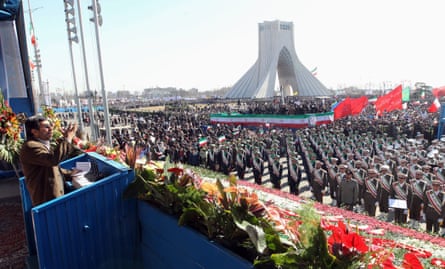
Understanding this apparent contradiction requires examining the broader context of Iranian internal politics and the complex factional struggles within the Islamic Republic. The Iranian political system, while governed by religious authority, contains multiple power centers and competing interests. Hardline factions, reformist elements, and pragmatic power brokers continuously maneuver for influence and control of state institutions. Ahmadinejad's recent political movements and his attempted political comeback have positioned him as a challenger to the established order, making him potentially attractive to external actors seeking to destabilize or redirect Iranian governance.
The current tensions between Ahmadinejad and the Supreme Leader's office stem from the former president's continued influence over a substantial populist base and his apparent ambitions to regain political prominence. His supporters view him as a defender of ordinary Iranians against corrupt elites, while his critics within the regime regard him as a destabilizing force threatening institutional stability. This internal schism created an opening that American and Israeli intelligence services may have sought to exploit, viewing Ahmadinejad as a potentially more cooperative alternative to the current power structure.
From a geopolitical strategy perspective, the alleged plot reflects a broader Western approach to Middle Eastern intervention that prioritizes regime change and the installation of friendly governments. The United States and Israel have long sought to influence outcomes in Iran through various means, from economic sanctions to covert operations. However, the selection of Ahmadinejad as a potential partner suggests a pragmatic recalibration of priorities, prioritizing stability and tractability over ideological purity. If such negotiations or overtures occurred, they would represent a significant departure from the confrontational approach that characterized relations with Ahmadinejad during his presidency.
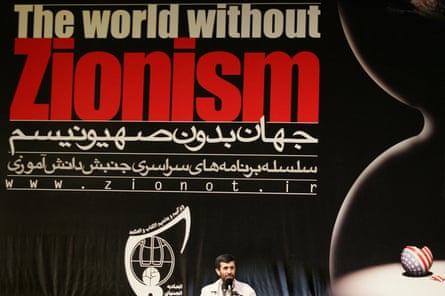
The implications of such a plot, if substantiated, extend far beyond Iran's borders and could reshape the entire regional balance of power. A transition to an Ahmadinejad-led government with Western backing would signal a fundamental realignment of Middle Eastern politics. It would likely trigger responses from Iran's current allies, potentially affecting Syria, Hezbollah, and other regional actors aligned with Tehran's established leadership. Conversely, such a transition could potentially reduce regional tensions if an Ahmadinejad government pursued more pragmatic foreign policies and engaged more cooperatively with Western powers.
The reliability and durability of any arrangement involving Ahmadinejad remains deeply questionable, however. His track record demonstrates unpredictability and a willingness to pursue nationalist agendas that may not always align with American or Israeli interests. His sudden reversal from fierce anti-Western rhetoric to potential collaboration with foreign powers could be portrayed as a betrayal by his own supporters, potentially undermining any legitimacy a Western-backed government under his leadership might claim. The historical precedent of American-backed coups and regime changes in the Middle East suggests that such arrangements often produce unintended consequences and long-term regional instability.
As this remarkable story continues to unfold, it reveals the deeply pragmatic, often morally ambiguous nature of international relations and great power competition in the Middle East. The apparent willingness of the United States and Israel to work with a figure they previously identified as an existential threat demonstrates how quickly calculations shift when strategic interests change. Whether such a plot ultimately succeeds or fails, it underscores the volatile and unpredictable trajectory of Iranian politics and the enduring influence of external powers in determining the nation's political future.
Source: The Guardian


