
Alice Springs Unrest: Police Charge Suspect in Child Death Case

Northern Territory police announce charges following the death of five-year-old Kumanjayi Little Baby. Family elder urges calm amid Alice Springs tensions.
Authorities in Australia's Northern Territory have confirmed that one person is facing criminal charges related to the unrest that erupted in Alice Springs following the tragic death of five-year-old Kumanjayi Little Baby. Police officials indicated that additional charges are anticipated as investigations into the incident continue, with authorities working to establish a comprehensive understanding of events that unfolded in the central Australian town.
The body of young Kumanjayi Little Baby was discovered on Thursday, approximately 5 kilometers away from the Old Timers town camp, where family members last saw her alive on Saturday night. The discovery prompted a large-scale police response and sparked significant community concern throughout Alice Springs, a town already facing ongoing social challenges. The circumstances surrounding her death have deeply affected local residents and Indigenous communities across the region.
In a poignant appeal for peace, the grandfather of the deceased child—a respected senior Warlpiri elder—addressed the community on Friday, urging residents to cease the violent confrontations that had erupted between police and community members at Alice Springs hospital. The elder's statement emphasized that such confrontations do not align with traditional Indigenous values, stating: "It is time now for sorry business," referring to the customary mourning and grieving processes observed within Indigenous Australian cultures.

The grandfather's call for calm represented a significant moment in the unfolding crisis, as his position as a senior Warlpiri elder carries substantial weight and respect within Indigenous communities. His intervention sought to redirect community responses away from confrontation toward more traditional and culturally appropriate methods of processing grief and addressing the tragedy. Such leadership during times of crisis demonstrates the importance of respected community voices in de-escalating tensions.
The violent confrontation at Alice Springs hospital underscored the deep frustration and emotional distress felt by community members in response to the child's death. The hospital, serving as a central healthcare facility for the region, became an unexpected flashpoint for community anger and police unrest management efforts. Witnesses reported significant tension as police attempted to manage the situation while mourning residents expressed their anguish.
Northern Territory Police have indicated that their investigation into the circumstances of Kumanjayi Little Baby's death remains ongoing, with forensic teams and detectives working to establish a clear timeline of events. The arrest of the individual now facing charges represents a significant development in the case, though authorities have been relatively cautious in releasing detailed information about the evidence and circumstances surrounding the death.

The tragedy has renewed discussions about child safety, community welfare services, and the relationship between Indigenous communities and law enforcement in Australia's remote regions. Alice Springs, located in the heart of Australia's Red Centre, has experienced various social challenges in recent years, and this incident has once again brought attention to underlying issues affecting vulnerable populations in the area.
Community leaders and Indigenous organizations have been working collaboratively with authorities to support grieving families and to ensure that cultural protocols are respected throughout the investigative and legal processes. Such cooperation is essential for maintaining trust between Indigenous communities and the broader justice system, particularly in cases involving tragic loss of life.
The decision to pursue additional charges beyond the initial arrest suggests that police believe multiple individuals may have been involved in activities related to the unrest or circumstances surrounding the death. This multi-pronged approach to charges reflects the complexity of the situation and the various factors that contributed to the tensions that emerged following the discovery of the child's body.
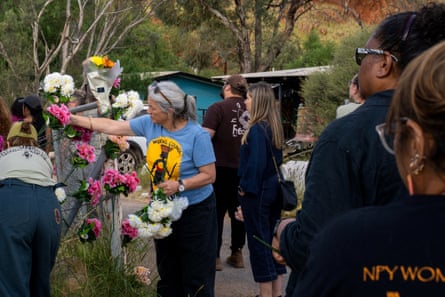
Mental health and counseling services have been mobilized throughout Alice Springs to support both immediate family members and the broader community affected by this tragic event. The psychological impact of such a loss extends far beyond the immediate family circle in close-knit Indigenous communities, where extended family networks and communal bonds are deeply interconnected. Professional support services are working to ensure that individuals have access to appropriate resources during this difficult period.
The case has also sparked broader conversations about the adequacy of child protection services and welfare systems in remote Australian communities. Advocates and community representatives have called for a comprehensive review of the support structures available to vulnerable children, emphasizing the need for culturally sensitive approaches that respect Indigenous values while ensuring child safety.
As the investigation progresses and the Northern Territory legal system processes the case, the focus remains on honoring the memory of Kumanjayi Little Baby while ensuring that justice is served appropriately. The community continues to navigate the grief and anger that has emerged, guided in part by the wisdom and compassion demonstrated by elder community members who understand the importance of traditional healing processes during times of profound loss.

The resolve of the community to move forward while maintaining cultural integrity and seeking accountability through proper legal channels demonstrates the strength and resilience characteristic of Indigenous Australian communities. As authorities continue their investigations and the court processes begin, the focus on respecting both Indigenous traditions and the rule of law will be critical in achieving justice and healing for all affected parties in Alice Springs.


