
AMD FSR 4 Coming to Older Radeon GPUs

AMD promises FSR 4 upscaling support for older Radeon GPUs starting July. RDNA3 and 3.5 architecture GPUs will finally get hardware-backed improvements.
When AMD unveiled the fourth iteration of its FidelityFX Super Resolution (FSR) graphics upscaling technology in early 2024, the announcement came with significant limitations that disappointed many PC gamers and laptop users. The enhanced hardware-backed FSR 4 technology was initially restricted exclusively to the company's newest Radeon RX 9000-series graphics processing units built on the cutting-edge RDNA4 architecture, effectively leaving millions of users with older hardware unable to access the advanced upscaling capabilities.
This strategic decision created a notable divide within the AMD ecosystem, as the company had invested considerable resources into developing the technology but chose to concentrate its benefits among early adopters of the newest generation. The RDNA4-exclusive approach meant that owners of previous-generation Radeon cards, as well as users relying on integrated graphics solutions, were left in the cold when it came to experiencing the performance and visual quality improvements that FSR 4 promised to deliver.
To date, AMD has released only a limited selection of 90-series graphics cards in the consumer market, significantly restricting the number of users who could actually benefit from FSR 4's advanced capabilities. The available lineup includes the high-end RX 9070 XT and RX 9070, which represent the flagship offerings for enthusiasts and professional users. Additionally, the company released both 8GB and 16GB variants of the RX 9060 XT, positioning itself in the competitive midrange segment where value-conscious gamers typically shop.
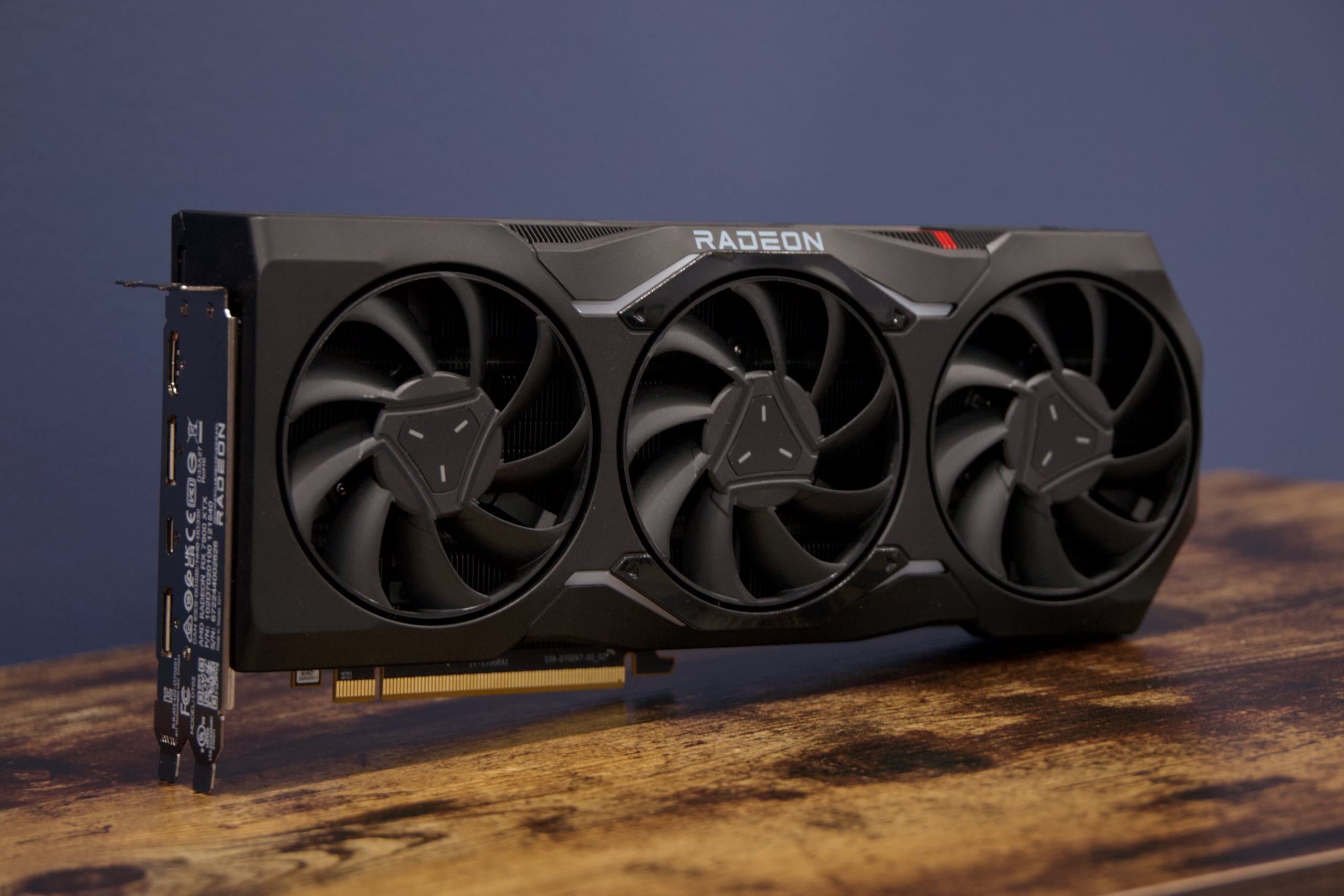
The product lineup extends to an RX 9060 model that remains exclusively available to original equipment manufacturers rather than individual consumers, limiting direct access for the majority of PC builders. Notably absent from this release schedule are any integrated GPU solutions such as those found in AMD-powered ultrabook laptops, mainstream computing devices, or popular gaming handhelds like the Steam Deck and its competitors. This omission proved particularly frustrating for users who depend on integrated graphics for everyday computing and casual gaming.
The exclusion of integrated graphics and older discrete GPUs represented a critical gap in AMD's FSR 4 rollout strategy, especially considering the massive installed base of RDNA3 and RDNA2 architecture users who stood to benefit tremendously from performance improvements. Integrated graphics solutions power hundreds of millions of laptops worldwide, making their exclusion a significant limitation for AMD's market reach and user satisfaction metrics.
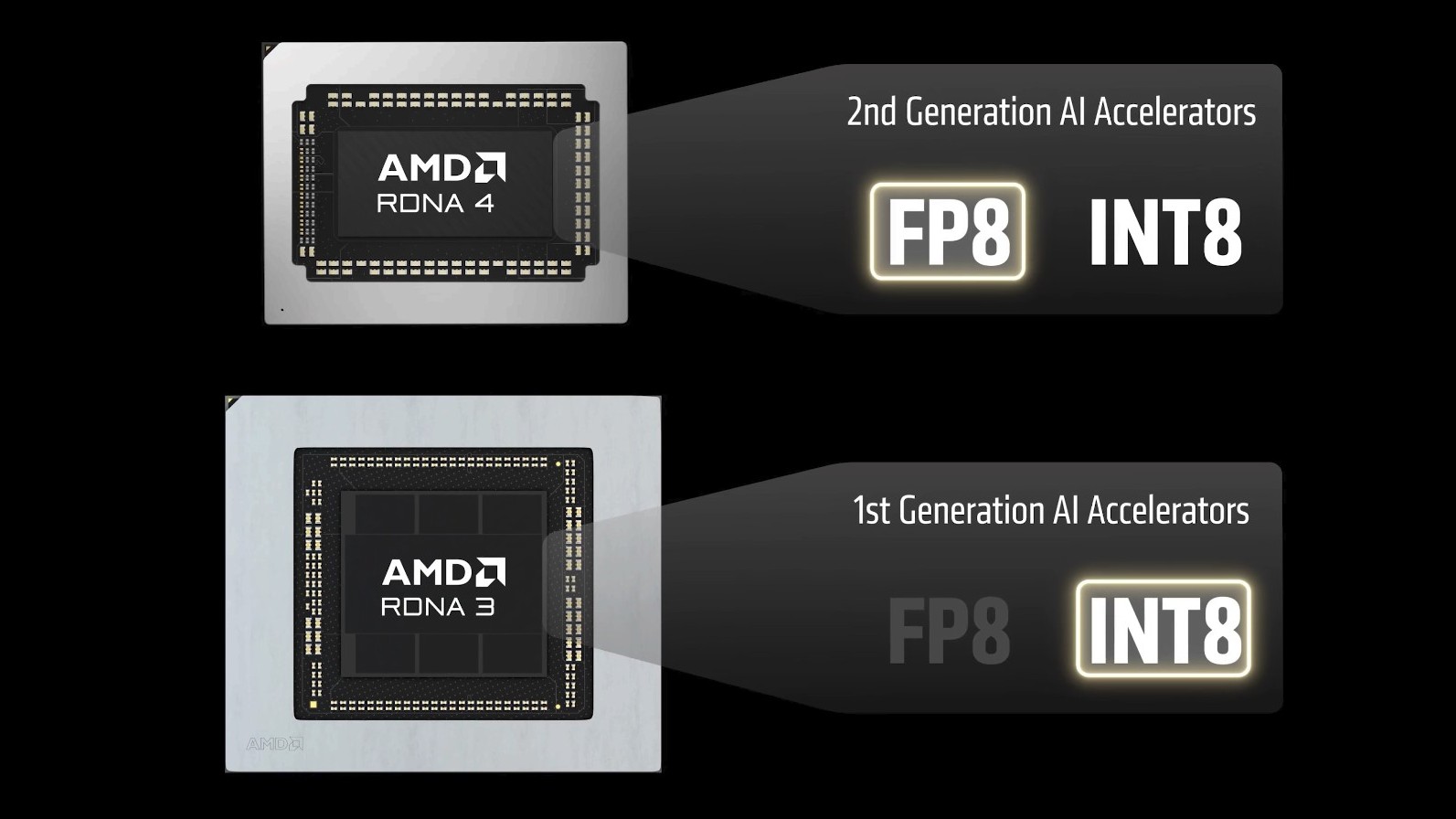
More than a year after the initial FSR 4 announcement, positive news has finally emerged for the broader AMD user community. Jack Huynh, AMD's Senior Vice President of Computing and Graphics, has officially announced that a comprehensive version of FSR 4 upscaling technology is now coming to older generation graphics processors. This represents a significant shift in AMD's approach and demonstrates responsiveness to community feedback and market demands from users with existing hardware investments.
According to Huynh's announcement, the expansion of FSR 4 support will commence in July, beginning with graphics processors built on the RDNA3 and RDNA3.5 architectures. This category encompasses the entire Radeon RX 7000 series, which has been a popular choice among PC gamers and content creators since its launch. The decision to prioritize RDNA3-based GPUs makes strategic sense, as these processors represent a substantial portion of the actively used gaming and professional graphics card market.

The inclusion of RDNA3.5-based processors in the FSR 4 rollout further broadens the eligible user base, capturing additional segments of the market that includes refined versions of the RX 7000 lineup. By committing to support both full RDNA3 and the refined RDNA3.5 iterations, AMD demonstrates a genuine commitment to extending the benefits of its latest technology across multiple product generations.
This expansion represents a substantial development for the gaming and professional graphics community, as it acknowledges the legitimate expectations of users who have invested in reasonably modern hardware. The move to bring hardware-accelerated upscaling to older Radeon GPUs should help AMD maintain competitive positioning against rival manufacturers and address growing concerns about software compatibility across product generations.
The July timeline for the rollout provides a reasonable window for AMD's software engineering teams to adapt the FSR 4 codebase to function optimally on RDNA3 and RDNA3.5 architectures. While these processors may require slightly different implementation approaches compared to the RDNA4 variants, the underlying architectural similarities should facilitate a relatively straightforward adaptation process.
Looking beyond the immediate RDNA3 expansion, industry observers and users with even older graphics cards remain curious about AMD's longer-term FSR 4 compatibility roadmap. Questions persist regarding whether support might eventually extend to RDNA2-based processors, which still represent a significant installed base, or to older legacy architectures from previous generations. AMD has not yet provided definitive statements about these possibilities, leaving room for future announcements and expansions.
The commitment to bring FSR 4 to broader hardware platforms reflects broader industry trends toward software-hardware co-optimization and the value proposition of backward compatibility. As graphics technology continues to evolve, manufacturers increasingly face pressure to ensure that new software advancements remain accessible to users with existing hardware investments rather than forcing upgrades to experience meaningful performance gains.
For users currently running RDNA3-based Radeon GPUs, the upcoming FSR 4 availability represents a substantial quality-of-life improvement and performance enhancement. The technology enables higher frame rates and smoother gaming experiences while maintaining visual fidelity comparable to native resolution rendering, making it an invaluable tool for competitive gaming, professional workflows, and content creation applications.
The expansion of FSR 4 support underscores AMD's recognition that artificial limitations on software features across product generations can damage customer satisfaction and brand loyalty. By extending access to older but still-capable hardware, the company demonstrates a more customer-centric approach that values the existing user community and acknowledges their continued technological needs and aspirations for improved performance.
Source: Ars Technica


