
America's Transit Crisis: Why US Cities Trail Global Standards

Explore why major American cities lag behind European counterparts in public transportation infrastructure. Discover the $4.6 trillion challenge ahead.
The stark reality of American urban transportation infrastructure becomes immediately apparent when examining cities like Houston, the nation's fourth-largest metropolitan area and one of its fastest-growing regions. With a metropolitan population approaching 7 million residents, Houston's public transportation system relies on a single, aging Amtrak station—a modest, windowless structure that sits overshadowed by massive highway systems. This humble facility receives intercity train service merely three times weekly, a frequency that underscores the fundamental challenges facing American public transit systems across the country.
The contrast between American and European urban centers could not be more pronounced. While major cities throughout Europe boast comprehensive networks of trains, buses, and integrated multimodal transportation systems that connect seamlessly across metropolitan regions and nations, most significant American cities have allowed their public transportation infrastructure to deteriorate or remain underdeveloped. This disparity reflects decades of policy decisions that prioritized automobile-centric development over robust transit alternatives, fundamentally reshaping the American urban landscape.
The financial implications of this infrastructure gap are staggering. Researchers and urban planners estimate that bringing American transit systems up to the standards found in comparable European cities would require an investment of approximately $4.6 trillion. This astronomical figure encompasses everything from building new rail lines and bus rapid transit corridors to modernizing existing facilities and implementing cutting-edge transportation technology. Such an investment would represent one of the largest infrastructure undertakings in American history, dwarfing many previous major public works projects.

Understanding how American cities arrived at this juncture requires examining the historical decisions that shaped modern urban development. Following World War II, federal policy actively encouraged suburban sprawl through highway construction, housing subsidies, and tax incentives that made automobile ownership increasingly accessible to middle-class families. The Federal-Aid Highway System, authorized in 1956, funneled hundreds of billions of dollars into road construction while public transit agencies struggled with diminishing resources and declining ridership. This created a self-reinforcing cycle where insufficient transit service encouraged automobile dependency, which justified further highway expansion.
The consequences of this car-centric development model extend far beyond mere inconvenience for urban residents. Public transit deficiencies in American cities contribute to increased air pollution, traffic congestion, and reduced economic competitiveness. Cities with robust transit systems typically experience lower emissions per capita, reduced traffic fatalities, and greater economic productivity as residents and workers can move efficiently throughout metropolitan areas. Additionally, walkable neighborhoods supported by quality transit tend to have higher property values and more vibrant commercial corridors compared to automobile-dependent sprawl.
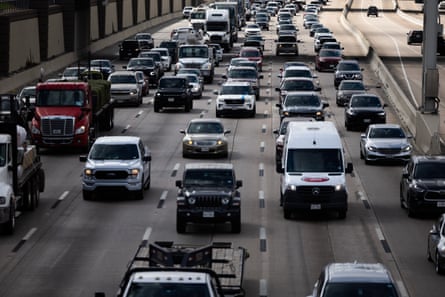
Houston exemplifies these broader patterns perfectly. The city's explosive growth over recent decades occurred almost entirely in the automobile era, with development patterns reflecting unlimited sprawl enabled by cheap gasoline and abundant land. Major employment centers, residential neighborhoods, shopping districts, and recreational facilities spread across the metropolitan region with little connection to any unified transportation system. The result is a city where most residents must own and operate personal vehicles for nearly all daily activities, creating perpetual traffic congestion on increasingly inadequate road networks.
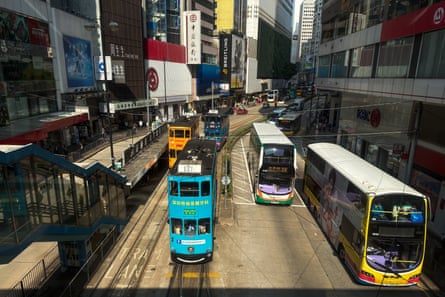
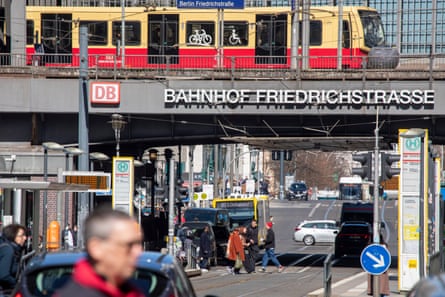
Comparing Houston to cities of similar size in Europe reveals striking differences in urban transportation systems. Cities like Berlin, Paris, Madrid, and Milan maintain extensive subway and light rail networks that move millions of passengers daily, complemented by comprehensive bus systems covering every neighborhood. These cities integrate their transit systems with land use planning, encouraging concentrated development around transit nodes and maintaining affordable housing options throughout diverse neighborhoods. The accessibility provided by these systems means residents of all economic backgrounds can participate fully in urban life without vehicle ownership.
The technological dimension of this infrastructure gap has become increasingly significant. European transit operators have invested heavily in real-time information systems, mobile ticketing, integrated trip planning, and frequency-based service that appeals to modern travelers. Modern transit infrastructure in leading European cities operates with high reliability, comfortable passenger environments, and seamless connections between different transportation modes. By contrast, many American transit systems remain fragmented, with aging equipment, inconsistent service quality, and limited integration between providers serving different areas of metropolitan regions.
Addressing Houston's transit inadequacy represents an enormous undertaking that would require fundamental changes to development patterns, funding mechanisms, and policy priorities. Current discussions about expanding Houston's Metropolitan Transit Authority service face significant obstacles, including the challenge of retrofitting an already built-out city designed entirely around automobile transportation. Building new rail or bus rapid transit corridors requires acquiring right-of-way through already-developed neighborhoods, navigating complex property rights, and managing disruption during construction—all challenges that are vastly simpler in newly developed cities or those with existing transit corridors to build upon.
The funding challenge represents perhaps the most significant barrier to transit expansion in American cities. The $4.6 trillion figure estimated for nationwide transit infrastructure improvement would need to come from federal, state, and local sources, but current political dynamics make securing this commitment extremely difficult. While many cities have approved local ballot measures supporting transit expansion, the fragmented nature of American metropolitan governance makes coordinated, large-scale investment problematic. Regional transit systems operating under different jurisdictions cannot easily integrate services or coordinate planning, creating inefficiencies that European metropolitan authorities have largely overcome through unified planning structures.
Public perception and cultural attitudes toward transportation represent another crucial factor in perpetuating American transit deficiencies. Automobile ownership has become deeply embedded in American cultural identity, with personal vehicles serving not merely as transportation but as status symbols and expressions of individual freedom. Marketing efforts by automobile manufacturers have successfully cultivated preferences for personal vehicle use over public transit, particularly in sprawling metropolitan areas. Building public support for substantial transit investment requires cultural shifts in how Americans conceptualize urban mobility and personal transportation choices.
Economic inequality dimensions of this transit crisis deserve careful examination. Transportation equity has become an increasingly important issue as lower-income residents disproportionately depend on public transit while residing in neighborhoods with inadequate service. In many American cities, transit-dependent populations live in peripheral areas far from major employment centers, forcing lengthy commutes on multiple bus lines with inconsistent schedules. This transportation burden represents a hidden tax on low-income workers, consuming substantial portions of their earnings while reducing their economic opportunities and quality of life.
Several American cities have begun recognizing these challenges and attempting to build more competitive transit systems. Cities like Portland, Seattle, and the San Francisco Bay Area have invested substantially in rail and bus rapid transit infrastructure, achieving ridership levels and service quality approaching some secondary European cities. These examples demonstrate that American cities can develop functional transit systems when provided with adequate funding and sustained political commitment. However, even these relatively successful systems remain far behind the comprehensive networks found throughout Europe, suggesting that genuine parity would require substantially greater investment.
Looking forward, the imperative for American cities to improve public transportation networks will likely intensify due to multiple converging pressures. Climate change mitigation efforts increasingly demand reduced transportation emissions, and personal automobiles contribute substantially to urban air pollution. Younger generations express different transportation preferences than previous cohorts, with many preferring walkable neighborhoods served by quality transit to suburban sprawl dependent on automobile ownership. Additionally, the rising costs of automobile ownership—including fuel, insurance, maintenance, and parking—make personal vehicles increasingly unaffordable for middle and lower-income households.
The path forward requires commitment to fundamental restructuring of American metropolitan development patterns and transportation policy. Cities must integrate land use planning with transit investment, concentrating development around high-quality transit corridors to create walkable, mixed-income neighborhoods. Federal and state governments need to prioritize transit funding at levels comparable to highway investment, reversing decades of disproportionate allocation toward automobile infrastructure. Metropolitan governance structures should be reformed to enable coordinated regional planning and integrated transit service delivery across jurisdictional boundaries, following models successfully implemented in European metropolitan areas.
Houston's modest Amtrak station ultimately symbolizes broader American policy failures regarding urban transportation. That the nation's fourth-largest city with one of the fastest-growing metropolitan areas receives intercity train service only three times weekly reflects the systematic underinvestment in transit throughout the United States. Correcting this situation demands vision, resources, and political will comparable to the investments that created America's automobile-dependent infrastructure in the first place. Without substantial changes in policy and investment priorities, American cities will continue falling further behind global counterparts in transportation quality, environmental sustainability, and livability.


