
Ancient Iron Age Hoard Reshapes Britain's History

Groundbreaking Melsonby hoard exhibition in York reveals female power and sophistication in northern Britain 2,000 years ago, challenging historical assumptions.
A remarkable collection of iron age artifacts has emerged from obscurity to challenge long-held assumptions about life in ancient Britain. The Melsonby hoard, now on public display for the first time at a museum in York, represents the most significant discovery of iron age metalwork ever uncovered in the United Kingdom. This extraordinary exhibition is forcing historians and archaeologists to fundamentally reconsider their understanding of northern Britain during the late iron age, a period spanning approximately 2,000 years ago.
The objects within this exceptional hoard tell a compelling narrative about female power and influence in ancient Britain that had previously been underestimated or overlooked by scholars. Rather than depicting a remote, underdeveloped region isolated from the broader Celtic world, these artifacts demonstrate that northern Britain was actually a center of sophisticated craftsmanship, wealth accumulation, and cultural significance. The quality, quantity, and diversity of the metalwork suggest a society far more advanced and interconnected than traditional historical narratives have suggested.
Experts involved in cataloging and studying the hoard emphasize that this collection fundamentally alters our perspective on iron age Britain. The materials, design elements, and manufacturing techniques evident in the artifacts indicate sustained contact with continental Europe and demonstrate high levels of artistic achievement and metallurgical knowledge. These findings suggest that northern Britain during the iron age was not a peripheral backwater but rather an integral part of a sophisticated pan-European cultural sphere.

The exhibition itself has been carefully curated to present these ancient objects in a way that maximizes their historical significance and visual impact. Visitors to the York museum are able to examine intricate brooches, decorative items, and ceremonial objects that showcase remarkable technical skill and aesthetic refinement. Each piece in the collection serves as a window into the daily lives, religious beliefs, and social hierarchies of iron age societies in Britain.
One of the most intriguing aspects of the Melsonby hoard is the evidence it provides regarding gender roles and social organization in ancient British communities. The presence of items clearly associated with female prestige and authority suggests that women held significant positions of power and influence within their societies. This challenges traditional interpretations of iron age culture that have often focused predominantly on male warriors and leaders, presenting a more complete and nuanced picture of social structures.
The scale of the discovery cannot be overstated in archaeological terms. The sheer number of metal objects recovered, combined with their exceptional preservation state, makes this one of the most important archaeological finds in recent British history. The hoard provides an unprecedented opportunity to study iron age craftsmanship, trade networks, and cultural practices in unprecedented detail.
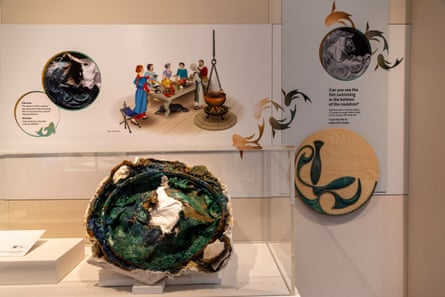
Archaeologists have spent considerable time analyzing the composition and origins of the metals used in these artifacts. Many of the items show evidence of sophisticated manufacturing techniques that would have required specialized knowledge and equipment. Some materials appear to have been imported from continental Europe, indicating extensive trade networks and cultural exchange during this period. The chemical analysis of the metalwork has revealed surprising information about mining practices and metal working traditions that were employed across iron age Britain.
The timing of the hoard's burial remains an intriguing mystery that researchers continue to investigate. Whether the collection was deliberately hidden for safekeeping, buried as part of ritual practices, or deposited due to some other circumstance is still being debated among scholars. The context in which the items were discovered provides valuable clues, though many questions remain about the specific historical events that led to the accumulation and burial of this remarkable collection.
The location where the hoard was found, in North Yorkshire, has become increasingly recognized as a significant center of iron age activity and settlement. The region appears to have been home to affluent communities with access to rare materials and the resources to commission elaborate metalwork. This geographical focus has prompted researchers to reassess the distribution of wealth and power across iron age Britain, suggesting that prosperity was not limited to the southeast but was instead distributed across multiple regions.
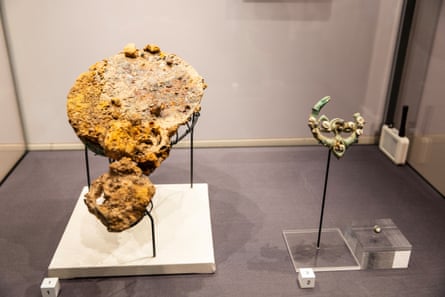
The implications of the Melsonby hoard extend beyond simple artifact documentation and cataloging. This discovery has sparked renewed interest in iron age archaeology throughout Britain and has encouraged museums and research institutions to re-examine collections already in their possession. Many experts now believe that additional significant findings may be hiding in museum storage areas or in private collections, waiting to be properly studied and understood.
The exhibition at York represents more than just a display of ancient objects; it is a statement about the sophistication and complexity of iron age society. By presenting these artifacts in context and providing comprehensive interpretive materials, the museum helps visitors understand the skills, beliefs, and daily realities of people who lived two millennia ago. The careful curation demonstrates how archaeological evidence can be used to construct detailed narratives about the past.
Moving forward, the iron age research community is leveraging this discovery to pursue new investigative avenues and academic inquiries. Collaborative efforts between institutions are examining the hoard through multiple disciplinary lenses, including metallurgy, anthropology, art history, and environmental science. This interdisciplinary approach promises to yield insights that would not be possible through single-discipline analysis alone.

The Melsonby hoard stands as a powerful reminder of the richness and complexity of Britain's ancient past. As this exceptional collection continues to be studied and shared with public audiences, it will undoubtedly continue to inspire new questions and generate fresh perspectives on how we understand iron age societies. The exhibition in York serves as a crucial platform for communicating these discoveries to broader audiences and demonstrating the ongoing relevance of archaeological research to our understanding of human history and cultural development.


