
Ancient Roman Gravestone Found in New Orleans Returned to Italy

A nearly 2,000-year-old Roman marble epitaph discovered in a New Orleans backyard has been officially repatriated to Italy after being handed over by the FBI.
In a remarkable recovery of cultural heritage, a nearly 2,000-year-old Roman gravestone that spent years hidden in a New Orleans backyard has finally made its journey back to Italy. The stunning marble artifact, which dates back approximately 1,900 years to the height of the Roman Empire, represents one of the most significant archaeological recoveries in recent years and underscores the ongoing efforts to combat the illegal antiquities trade.
The ancient Roman epitaph was officially repatriated during a ceremonial handover in Rome on Wednesday, conducted under the auspices of the Federal Bureau of Investigation. This formal return marked not only the successful conclusion of a complex international investigation but also highlighted the collaborative efforts between American law enforcement agencies and Italian cultural authorities in preserving and protecting irreplaceable pieces of historical significance.
The discovery of such a well-preserved Roman artifact in the American South raises fascinating questions about how the gravestone made its way across the Atlantic and into a residential property in Louisiana. Archaeological experts have expressed particular interest in the inscription and artistic details carved into the marble, which provide invaluable insights into Roman burial practices and daily life during the Imperial period.
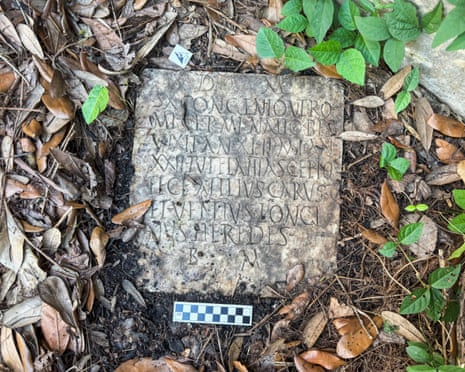
The FBI's involvement in the repatriation case demonstrates the agency's commitment to combating cultural property theft and trafficking. Federal agents worked diligently to trace the artifact's provenance and confirm its authenticity, ensuring that the piece could be definitively connected to a museum collection near Rome where it had been listed as missing for decades. This meticulous verification process is essential in cases involving antiquities, as it establishes legal ownership and prevents further distribution of stolen cultural property.
Museums and cultural institutions throughout Italy have increasingly turned to law enforcement for assistance in recovering precious artifacts that disappeared during various periods of looting and illegal trafficking. The missing gravestone had been catalogued by Italian authorities, making it possible for investigators to identify and track its location once it surfaced in the New Orleans area. The successful recovery serves as a testament to the effectiveness of international cooperation in the fight against antiquities trafficking.
This particular case also brought about the repatriation of additional antiquities recovered within the United States, demonstrating a broader trend of American institutions and private collectors working with authorities to return improperly acquired items to their countries of origin. The FBI ceremony in Rome featured multiple significant artifacts, each with its own compelling story of discovery and recovery.
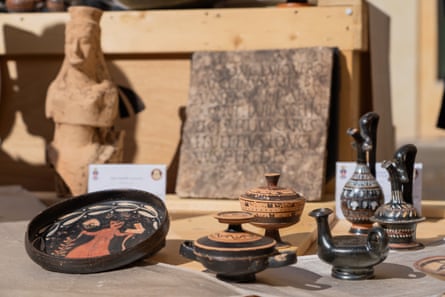
The Roman marble epitaph represents a crucial piece of archaeological history, offering researchers opportunities to study ancient inscriptions, naming conventions, and funerary customs from nearly two millennia ago. The quality of preservation is particularly noteworthy, as marble artifacts from this period often suffer significant degradation over the centuries. The fact that this gravestone remained intact despite its journey across continents speaks to both the durability of Roman craftsmanship and fortunate circumstances regarding its storage conditions.
Cultural heritage preservation has become an increasingly important focus for international law enforcement and diplomatic efforts. The return of this ancient Roman gravestone highlights how modern authorities are working systematically to address the legacy of looted artifacts and prevent future illegal trafficking. Organizations dedicated to protecting cultural property have praised such repatriations as essential steps toward restoring stolen heritage to the communities and nations from which these items originated.
The New Orleans discovery underscores how valuable historical artifacts can turn up in unexpected locations, often through inheritance, estate sales, or simple lack of awareness about an item's true historical significance. Residents who unknowingly possess antiquities of questionable provenance are increasingly encouraged to contact authorities or museum professionals to determine whether their items might be stolen cultural property requiring repatriation.
Experts in classical archaeology note that Roman grave markers provide exceptional documentation of social structure, family relationships, and occupational roles within ancient society. The inscriptions carved into such monuments often included the names of the deceased, their age at death, their profession or status, and sometimes heartfelt messages from grieving family members. Each preserved example contributes significantly to scholarly understanding of how Romans commemorated their dead and maintained ancestral memory.
The repatriation ceremony in Rome was attended by representatives from both the Italian government and the American embassy, emphasizing the diplomatic importance of returning cultural treasures. Italian officials expressed gratitude for the FBI's investigative work and the cooperation of American institutions in facilitating the return of these invaluable pieces of national heritage. Such ceremonial returns often generate public interest and serve as educational opportunities to raise awareness about cultural property protection.
Moving forward, this successful case may serve as a model for future recovery operations, demonstrating effective methods for identifying, locating, and repatriating stolen antiquities. The collaboration between law enforcement, museums, and diplomatic channels has proven effective and is likely to be replicated in subsequent cases involving cultural property disputes. As awareness grows regarding the importance of preserving human heritage, more individuals and institutions are likely to come forward with information about potentially misplaced artifacts.
Source: The Guardian


