
Apple Discontinues Budget Mac mini Model

Apple has phased out its most affordable Mac mini option. The compact desktop now starts at $799 with 512GB storage, marking a shift in pricing strategy.
Apple has made a significant move in its product lineup by discontinuing the most affordable version of its Mac mini desktop computer. This strategic decision represents a shift in how the tech giant positions its entry-level computing options for consumers and professionals alike. The Mac mini lineup change means that potential buyers looking for the most budget-conscious option will need to adjust their expectations and spending plans.
The new Mac mini pricing structure now begins at $799, a substantial increase from the previous entry-level pricing tier that was available to consumers. This latest model comes equipped with 512GB of solid-state storage, providing a balance between affordability and practical everyday functionality. The discontinuation of the lower-priced variant suggests Apple's focus on maintaining profit margins while streamlining its product portfolio across multiple price points.
Apple's decision to eliminate its cheapest Mac mini model reflects broader trends within the technology industry where manufacturers continue to push upmarket. By removing the budget option, Apple may be attempting to shift consumer perception of what constitutes a reasonable entry price for a quality desktop computer. This move could impact purchasing decisions for small businesses, students, and casual users who previously relied on the more affordable configuration.
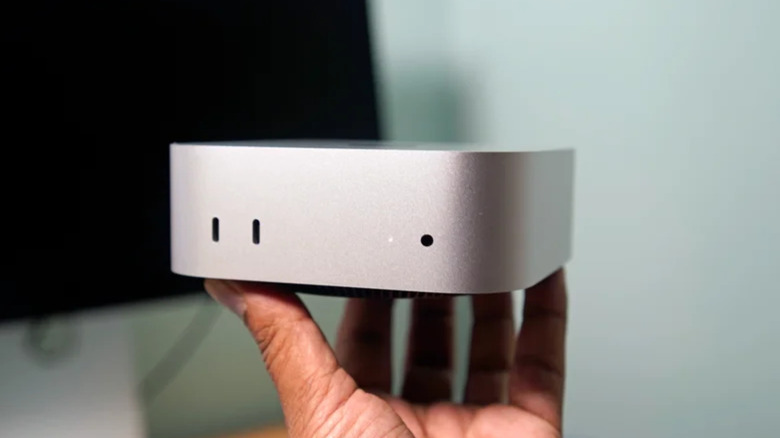
The $799 Mac mini price point positions it as a more premium offering within the desktop computer market, even though it remains one of the more compact options available. With 512GB of storage included as standard, users will have sufficient space for operating system files, applications, and a reasonable amount of personal data. However, the increased starting price may deter some consumers who were previously able to access Mac hardware at lower costs.
This pricing adjustment comes as Apple continues to refine its entire product ecosystem and maintain consistent margins across its hardware divisions. The company has previously made similar strategic decisions with other product lines, gradually eliminating lower-priced variants to create a more streamlined, profitable portfolio. The discontinuation pattern suggests Apple's confidence in higher price points and its target market's willingness to pay premium prices for computer hardware.
Consumers interested in compact, powerful desktop computers from Apple now face a different decision landscape than just weeks ago. Those seeking maximum value may need to consider alternative products from Apple's lineup, such as MacBook Air models or refurbished Mac mini units from previous generations. The shift demonstrates how tech companies continuously reassess their product strategies to optimize revenue and brand positioning.
The Mac mini discontinuation highlights an ongoing trend where technology manufacturers reduce the number of budget-friendly options in their product lines. This strategy often allows companies to improve their average selling price and streamline manufacturing processes. For Apple specifically, the move aligns with its premium brand positioning and focus on high-margin products that appeal to affluent consumers and professional users.
Industry analysts note that discontinuing entry-level products can sometimes have unintended consequences, including loss of market share to competitors who maintain budget options. Companies like Dell, Lenovo, and HP continue to offer affordable desktop solutions that compete directly with Apple's offerings. The removal of Apple's cheapest Mac mini could potentially drive price-conscious consumers toward alternative manufacturers who still prioritize budget-friendly computing solutions.
For businesses and organizations that previously standardized on lower-priced Mac mini units for their IT infrastructure, this change necessitates budget recalculation and purchasing strategy adjustments. Educational institutions and nonprofits that relied on affordable Apple hardware may also face increased procurement costs when refreshing their technology assets. These downstream effects could ripple through Apple's enterprise and education customer segments.
Apple's approach of gradually reducing entry-level offerings has proven successful in many product categories, driving consumers to spend more while maintaining brand loyalty. The compact desktop market segment will likely see this pricing shift reflected in how competitors position their own offerings. By establishing a higher floor for Mac mini pricing, Apple influences consumer expectations about what quality desktop computing should cost.
The practical implications for existing Mac mini users remain minimal, as Apple typically provides robust software support for previous generation hardware. However, future buyers will need to budget accordingly for the new pricing structure when planning their computer purchases. The 512GB storage specification included with the new starting price represents a reasonable baseline for most users, though power users may still opt for higher-capacity configurations.
Looking forward, this discontinuation decision may signal Apple's broader strategy for its desktop computer line and how it plans to balance accessibility with profitability. The company's ability to maintain strong sales despite price increases demonstrates the premium value consumers assign to Apple's ecosystem and product quality. As technology markets continue evolving, such pricing adjustments will likely remain part of Apple's product management approach.
Source: Engadget


