
Apple's iOS 26.5 Brings Encrypted RCS Messaging

Apple introduces end-to-end encryption for RCS messages between iOS and Android devices. Learn how this security upgrade protects cross-platform conversations.
Apple is taking a significant step forward in mobile messaging security with the upcoming release of iOS 26.5, which will introduce end-to-end encryption for RCS messages exchanged between Apple and Android devices. This development marks a major shift in how the tech giant approaches cross-platform communication, addressing longstanding concerns about the security of messages sent between iPhone and Android users.
The implementation of RCS encryption represents a response to growing user demand for enhanced privacy protections across different operating systems. Previously, when iPhone users communicated with Android users via RCS (Rich Communication Services), their messages lacked the same level of encryption protection that Apple Messages provided for iPhone-to-iPhone conversations. This vulnerability has been a point of friction between the two tech ecosystems, with privacy-conscious consumers expressing concern about their sensitive communications.
RCS, also known as Rich Communication Services, has been positioned as the successor to traditional SMS texting for years. It offers improved features including read receipts, typing indicators, higher resolution photo sharing, and group messaging capabilities. However, until now, the security architecture supporting RCS messages between different platforms has not met the encryption standards that modern users expect from their messaging applications.
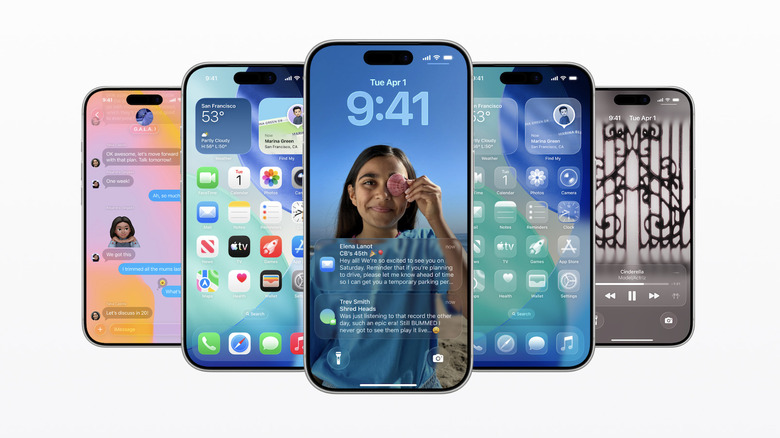
The end-to-end encryption implementation in iOS 26.5 will ensure that only the sender and intended recipient can read RCS messages, making it impossible for service providers, hackers, or other third parties to intercept and access the content of these conversations. This technical advancement applies specifically to messages exchanged between iPhone and Android devices, creating a more unified and secure messaging experience regardless of which platform users are on.
Apple's decision to prioritize cross-platform message security comes amid increased regulatory pressure and consumer awareness around data privacy. The company has built its reputation on privacy-first practices, and extending these protections to communications with non-Apple devices demonstrates a commitment to this principle even when communicating outside its ecosystem. This move could influence how other technology companies approach similar security challenges.
The technical implementation of RCS encryption between iOS and Android involves sophisticated cryptographic protocols that ensure both parties can verify the authenticity of messages while maintaining complete privacy. Unlike some previous attempts at cross-platform encryption, this approach leverages modern encryption standards that have been thoroughly tested and verified by security experts.
This development also reflects the broader industry trend toward standardized messaging security. Google has been pushing for RCS adoption as a universal standard, and Apple's commitment to encrypted RCS messaging validates this direction. The convergence of Apple and Google on messaging standards could eventually lead to a more secure and interoperable mobile communications landscape for all users.
The timing of this announcement is particularly significant, as it comes during a period when messaging security has become a critical differentiator among device manufacturers. Users increasingly expect their private conversations to be protected by robust encryption technology, and Apple's iOS 26.5 update responds to this expectation by removing one of the last remaining gaps in message security between the two dominant mobile platforms.
For Android users, this development means that their RCS conversations with iPhone users will finally receive the same level of encryption protection that iPhone users have enjoyed when communicating among themselves. This parity in security standards represents a meaningful improvement for billions of users who regularly communicate across platform boundaries.
The implementation of RCS encryption in iOS 26.5 also highlights Apple's pragmatic approach to interoperability. Rather than restricting secure communication to its proprietary ecosystem, the company is extending these protections to all users, regardless of their chosen device manufacturer. This strategy benefits the broader user base while simultaneously demonstrating Apple's commitment to privacy as a fundamental right.
Security experts have praised this development as an important step toward closing the encryption gap that has long existed in cross-platform messaging. The encrypted RCS implementation uses industry-standard protocols that have been vetted by the security community, ensuring that the protection is both effective and reliable. This approach contrasts with proprietary encryption schemes that cannot be independently verified.
Users should note that this feature will be automatically available once iOS 26.5 is released and installed on their devices. No additional configuration or app installation will be required to benefit from the enhanced security. The encryption will be transparent to users, meaning their messaging experience will remain unchanged while the underlying security is significantly improved.
The rollout of end-to-end encryption for RCS may also accelerate the transition away from traditional SMS texting, which lacks any encryption protection whatsoever. As more users experience the benefits of encrypted messaging, demand for SMS alternatives will likely increase, further cementing RCS's position as the modern standard for mobile communication.
Looking ahead, this development could set a precedent for how technology companies handle security across platform boundaries. Other developers and manufacturers may feel pressure to implement similar standards, leading to a more uniformly secure mobile messaging environment. The positive ripple effects of Apple's decision could extend well beyond iPhone and Android users.
In conclusion, iOS 26.5's introduction of encrypted RCS messaging between Apple and Android devices represents a watershed moment for mobile communication security. By ensuring that private conversations remain truly private, regardless of the devices being used, Apple is reinforcing its commitment to user privacy while simultaneously improving the overall security landscape for all smartphone users worldwide.
Source: Engadget


