
Apple's iOS 27 Camera App Gets Major Overhaul

Apple is planning significant improvements to the Camera app in iOS 27, including Visual Intelligence integration and enhanced customization options.
Apple is reportedly gearing up for a substantial redesign of its Camera app with the upcoming release of iOS 27, signaling the company's commitment to enhancing one of the most frequently used features on iPhones. According to recent reports from industry analysts and Apple insiders, the tech giant has multiple enhancements in the pipeline that could fundamentally change how users interact with their device cameras and process visual information.
The most significant change rumored for the next major iOS iteration is the integration of Visual Intelligence directly into the Camera application. This feature would allow users to leverage Apple's advanced computer vision capabilities without leaving the camera interface, streamlining the process of analyzing and understanding the world around them. By embedding this technology into the core Camera app, Apple aims to make powerful visual analysis tools more accessible to everyday users, reducing friction and encouraging broader adoption of these intelligent features.
Visual Intelligence, which has already been introduced in previous iOS updates as a standalone capability, uses sophisticated machine learning algorithms to identify objects, read text, and extract meaningful information from photographs and video feeds in real-time. The seamless integration into the Camera app would allow users to instantly gather information about what they're photographing without needing to switch between multiple applications or use separate tools.
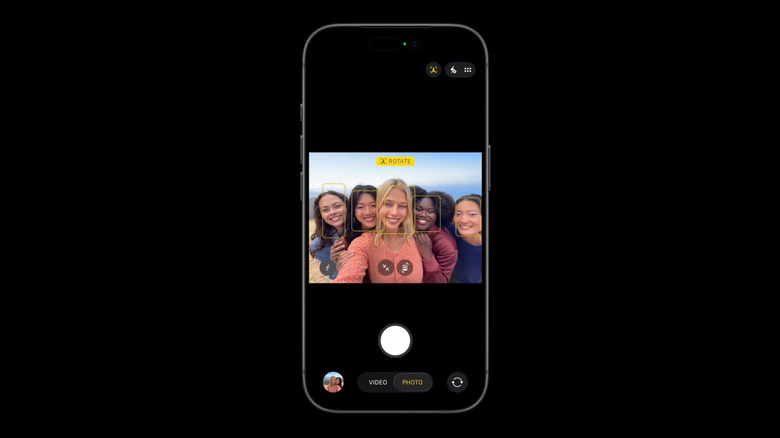
Beyond the Visual Intelligence integration, Apple is also planning to make the Camera app significantly more customizable, giving users greater control over how they organize and access their camera features. This customization flexibility would address long-standing user requests for more granular control over which camera modes, filters, and tools are visible in the default interface. The enhanced customization options would likely include the ability to rearrange camera controls, hide rarely-used features, and create personalized camera layouts that match individual photography preferences.
The push toward greater customization reflects a broader industry trend where manufacturers recognize that users have diverse needs and preferences when it comes to camera functionality. Some users primarily need basic photo and video capabilities, while photography enthusiasts may want immediate access to manual controls, RAW format options, and advanced computational photography tools. By enabling deeper customization, Apple would cater to both casual users and professional photographers simultaneously.
Current reports suggest that the iOS 27 update will introduce a more modular approach to camera functionality, allowing users to choose which tools appear prominently in their interface and configure shortcuts to their most-used features. This could include customizable quick-access buttons, personalized mode arrangements, and potentially the ability to save multiple camera configurations for different scenarios or shooting styles.
Apple's reported focus on improving the camera experience comes at a time when smartphone photography continues to evolve at a rapid pace, with computational photography becoming increasingly sophisticated. The company has consistently invested in camera technology and the software that powers it, using advanced algorithms to enable features like Night Mode, Portrait Mode with depth sensing, and intelligent scene recognition that automatically optimize settings based on what the device detects.
The timing of these enhancements also suggests Apple's response to user feedback and competitive pressures from other smartphone manufacturers who have been pushing the boundaries of mobile photography capabilities. Android devices from competitors have offered varying degrees of camera customization and artificial intelligence integration, and Apple appears determined to maintain its leadership position in the smartphone camera space.
With iOS 27 still in development stages, additional camera features may be announced before the official release. Apple typically reveals major software updates at its annual Worldwide Developers Conference, where the company provides technical details about upcoming features and gives developers time to prepare applications that take advantage of new capabilities.
The integration of Visual Intelligence and enhanced customization options represents Apple's strategic vision for the future of mobile imaging. By combining powerful artificial intelligence features with intuitive customization tools, the company aims to create a Camera app that serves as a comprehensive visual analysis and documentation tool for all users, regardless of their technical expertise or photography experience.
Users who have been waiting for more control over their camera interface and those interested in leveraging advanced computer vision capabilities may find these reported changes particularly compelling. The enhanced customization would empower users to create their ideal camera setup, while Visual Intelligence integration would bring sophisticated image recognition capabilities directly into the moment of capture, making them more practical for real-world scenarios.
Apple's commitment to continuously improving fundamental device features like the camera demonstrates the company's philosophy of refining core functionality alongside introducing new technologies. Rather than abandoning existing features or relegating them to secondary status, Apple focuses on making essential tools more powerful, intuitive, and integrated with cutting-edge capabilities.
As iOS 27 development progresses, more specific details about the camera app improvements are expected to emerge from beta releases and developer documentation. Users interested in testing new features typically gain access through public and developer beta programs that Apple releases before the final software launch. These beta periods allow Apple to gather feedback and refine the user experience based on real-world usage patterns.
Source: Engadget


