
Apple Struggles With Mac mini, Studio Shortages

Apple CEO Tim Cook reveals Mac mini and Mac Studio demand far exceeds supply due to AI adoption. Expect several months for inventory to normalize.
Apple's compact and powerful Mac mini and Mac Studio desktop computers have become increasingly scarce throughout the year, with numerous configurations marked as "currently unavailable" on Apple's official website—a rare occurrence that underscores the severity of the supply crisis. Customers attempting to purchase these machines are facing extended wait times, with some orders requiring weeks or even months for delivery. The situation has become so dire that Apple completely removed the premium top-end version of the Mac Studio featuring 512GB of RAM from its retail store, signaling unprecedented inventory challenges in this product category.
During Apple's quarterly earnings call, newly addressing shareholders about the company's operational challenges, CEO Tim Cook provided insight into the root causes of these widespread shortages. Cook attributed the demand surge not merely to standard consumer interest, but rather to a compelling new use case that has captured market attention faster than Apple's internal forecasts anticipated. The unprecedented appetite for these machines stems from professionals and developers eager to harness artificial intelligence capabilities and run sophisticated AI agents directly on their local machines, bypassing cloud-based solutions entirely.
"Both the Mac mini and the Mac Studio represent amazing platforms for AI implementation and agentic tools, and customer recognition of this capability is accelerating much faster than our predictions suggested," Cook explained during the earnings presentation. "We're witnessing higher-than-expected demand than our supply chain could accommodate, and based on current production rates, we anticipate the Mac mini and Mac Studio may require several months to achieve proper supply-demand equilibrium."
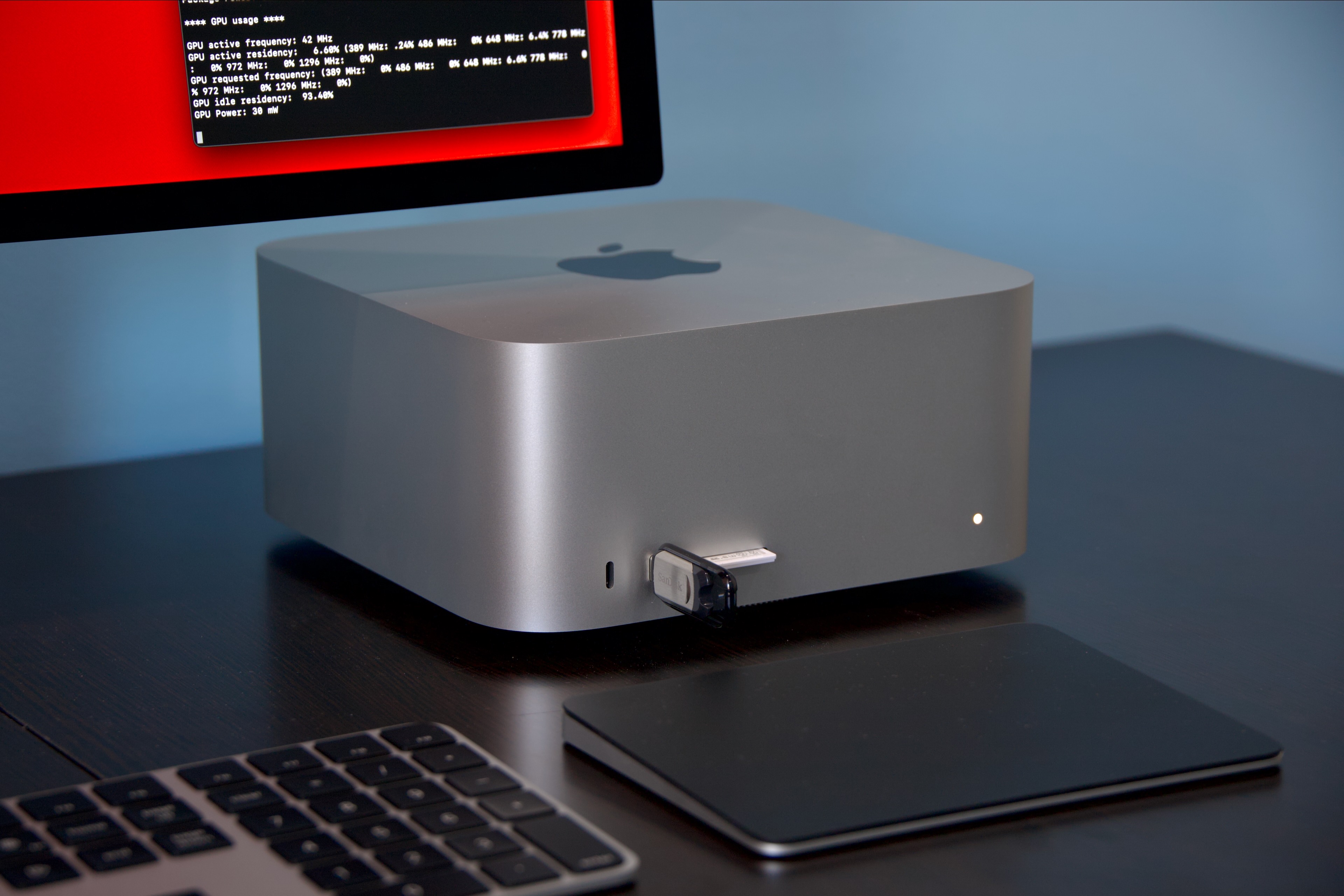
The supply constraints affecting these specific product lines highlight broader challenges within Apple's manufacturing and logistics infrastructure. While Apple maintains one of the most sophisticated supply chains in the technology industry, the sudden surge in demand for local AI processing capabilities has caught even the company's planning teams off guard. This situation demonstrates how rapidly market dynamics can shift when emerging technologies like generative AI and autonomous agents gain practical applications that resonate with professional users and power users alike.
The Mac mini, Apple's entry-level desktop option, has historically served as an accessible gateway to the Mac ecosystem for budget-conscious consumers and small businesses. However, with the introduction of powerful Apple Silicon chips and the ability to run sophisticated machine learning models locally, the Mac mini has transcended its traditional market positioning. Professional developers, machine learning engineers, and AI researchers have discovered that the compact form factor combined with impressive computational power makes it an ideal platform for training and deploying AI applications without relying on expensive cloud infrastructure.
Similarly, the Mac Studio occupies a unique position in Apple's product portfolio as a premium desktop solution designed for content creators and professional workflows. The machine's ability to support massive amounts of unified memory—particularly the now-unavailable 512GB configuration—makes it exceptionally attractive for individuals working with large machine learning datasets and complex AI models. This convergence of hardware capability and software availability has transformed these machines from niche professional tools into highly sought-after platforms for the emerging AI economy.

The broader implications of this shortage extend beyond simple supply and demand mechanics. Apple's manufacturing partners and component suppliers are grappling with the challenge of rapidly scaling production while maintaining quality standards. The company sources specialized chips, memory modules, and other critical components from multiple suppliers around the globe, and coordinating this complex logistics network to meet sudden surges in demand requires significant lead time and planning.
For customers currently seeking to purchase these machines, the extended timelines present both challenges and opportunities. Those willing to wait may secure more powerful configurations or better pricing when supplies finally normalize. Meanwhile, individuals and organizations with urgent AI computing needs may need to explore alternative solutions or adjust their project timelines accordingly. Some have reportedly turned to refurbished models or previous generation machines as temporary workarounds.
Apple's acknowledgment of the supply issues through Cook's earnings call statement represents a calculated approach to managing expectations. Rather than downplaying the shortages, the company is being transparent with investors and the market about the duration and scope of the challenge. This communication strategy helps prevent customer frustration while positioning Apple as responsive to market demands and committed to resolving the supply constraints as quickly as manufacturing capabilities allow.
The Mac mini shortage and Mac Studio supply crisis also reflect the explosive growth of AI adoption across different market segments. What began as specialized tools for research institutions and large technology companies has democratized to the point where independent developers, startups, and creative professionals can now build and deploy AI solutions locally. This democratization of AI technology has created unprecedented demand for hardware capable of supporting these workloads, and Apple's machines have proven particularly well-suited to this emerging market need.
Looking ahead, Apple faces the critical challenge of balancing increased production capacity with maintaining profitability and quality standards. The company has indicated that reaching proper supply-demand balance will require several months of sustained effort, suggesting that consumers should anticipate continued availability challenges through the coming quarters. However, once supply normalizes, these desktop computers will likely remain popular choices for professionals seeking powerful local computing solutions for AI and machine learning applications.
For Apple investors and technology analysts, this shortage represents both a challenge and a validation of the company's strategic direction in positioning its hardware for the AI era. The unprecedented demand demonstrates that Apple's investment in Apple Silicon and the optimization of its operating systems for machine learning tasks has resonated strongly with target audiences. As AI technology continues to mature and find new applications, the demand for capable local processing hardware will likely remain robust, potentially making these desktops cornerstone products in Apple's portfolio for years to come.
Source: Ars Technica


