
April's Hidden Science Gems: 6 Stories Worth Reading

Discover April's most fascinating science stories including dolphin swimming physics, mushroom detection abilities, and Roman shipwreck repairs that nearly went unnoticed.
The scientific world generates countless fascinating discoveries every single month, yet many of the most intriguing stories often fail to capture mainstream attention. This monthly roundup aims to shine a spotlight on the most compelling science stories that deserve wider recognition but have largely escaped the public eye. April's curated selection spans multiple disciplines, from marine biology and mycology to materials engineering and classical archaeology, offering readers a diverse glimpse into cutting-edge research happening across the globe.
Among the most overlooked narratives are those that challenge our fundamental understanding of how nature works. Whether exploring the biomechanical secrets of marine mammals, uncovering unexpected abilities in fungal organisms, or revisiting ancient maritime practices through modern scientific analysis, these stories remind us that scientific discovery continues to reveal nature's most closely guarded secrets. Each story represents months or years of dedicated research by teams of specialists who are pushing the boundaries of human knowledge.
The importance of highlighting these overlooked stories cannot be overstated. Research findings that don't generate immediate headlines often provide crucial insights that inform future breakthroughs and innovations. By examining April's collection of nearly-missed stories, we can better appreciate the breadth of contemporary scientific inquiry and the diverse methodologies that researchers employ to answer fundamental questions about our world.
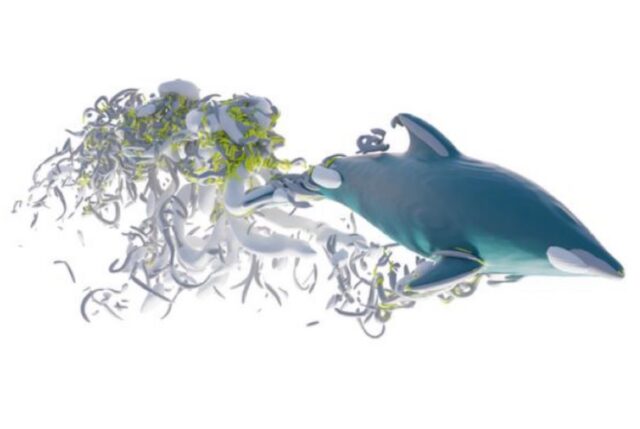
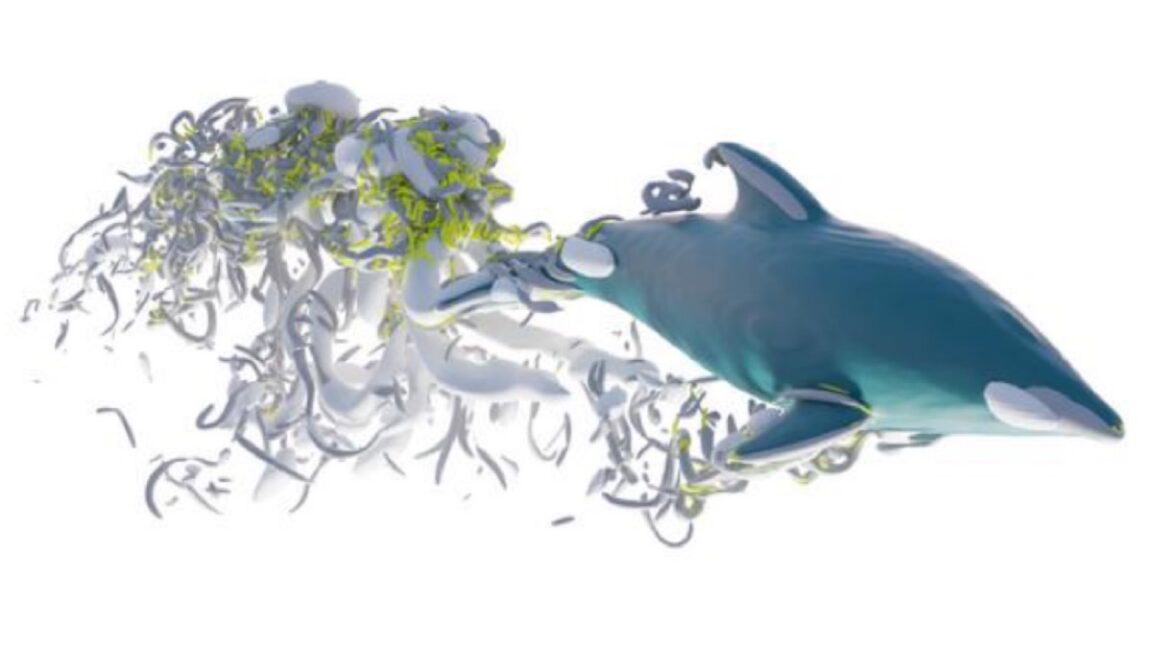
Understanding the Physics Behind Dolphin Swimming Speed
Dolphins have long captivated human imagination with their remarkable swimming abilities and graceful underwater movement. Yet despite centuries of observation, the precise mechanisms of dolphin locomotion remained poorly understood by the scientific community. Recent research from the University of Osaka has employed advanced computational techniques to finally unlock the secrets behind these marine mammals' extraordinary speed and agility. Scientists utilized sophisticated supercomputer simulations to model and analyze the fluid dynamics involved in dolphin propulsion, revealing insights that had previously eluded researchers.
The research focused specifically on understanding the vortices and eddies generated by dolphin tail movements during swimming. These swirling patterns of water, called vortices, play a critical role in how dolphins generate thrust and maintain their impressive velocity through the water. By running multiple computer simulations with varying parameters, the Japanese research team was able to observe exactly how these water vortices interact with the dolphin's body, allowing the animal to optimize its propulsion with remarkable efficiency. The findings have been documented in a peer-reviewed publication, adding to the growing body of marine biology research dedicated to understanding cetacean physiology.
The implications of this research extend beyond simple curiosity about marine animals. Understanding the physics of dolphin swimming could inspire the design of more efficient underwater vehicles and propulsion systems for naval applications. Engineers and biomimicry researchers closely follow such studies, as nature often provides elegant solutions to complex engineering challenges. The dolphin's ability to maintain high speeds while exhibiting precise directional control represents an optimal balance between power and efficiency that human-engineered systems continue to strive toward.
Mushroom Detection: A Surprising Fungal Ability
In a finding that surprised many mycologists, recent research has demonstrated that mushrooms possess the remarkable capacity to detect human urine. This unexpected discovery challenges our conventional understanding of fungal sensory capabilities and suggests that mushrooms may have developed sophisticated chemical detection mechanisms over millions of years of evolution. The ability to recognize specific biochemical compounds in their environment could provide mushrooms with significant advantages for survival and reproduction in complex ecosystems.
The mechanisms behind this detection capability remain an active area of investigation, but scientists theorize that mushrooms may utilize chemical receptors or sensory structures that allow them to identify and respond to specific molecular markers present in human waste. This type of chemoreception is not entirely unprecedented in the fungal kingdom, as many fungi demonstrate the ability to detect nutrients, potential mates, and environmental threats through chemical signaling. However, the specificity of detecting human urine represents a particularly interesting case study in how organisms can develop hyper-specialized sensory abilities.
The practical applications of this discovery could be far-reaching and diverse. Beyond its inherent scientific interest, understanding how mushrooms detect and respond to biological compounds could inform new approaches to bioremediation, waste treatment, and even medical diagnostics. Researchers continue to explore the extent of fungal chemical detection capabilities and whether other organisms share similar sensory mechanisms with mushrooms.
Soda Can Crushing: Pressure and Materials Science
What might seem like a simple parlor trick—crushing an aluminum soda can—actually provides valuable insights into materials science and the behavior of metals under extreme pressure. Researchers have systematically studied the process of soda can compression, examining how the aluminum structure deforms, the forces involved in the collapse, and the energy required to achieve complete compression. This type of experimental work, while appearing straightforward on the surface, actually reveals complex physical principles governing material behavior.
The study of can crushing involves understanding several interconnected concepts: the structural integrity of thin-walled metal containers, the distribution of force across the material, and the point at which plastic deformation becomes catastrophic. By instrumenting the process with sensitive pressure sensors and high-speed cameras, scientists can observe exactly how the aluminum deforms during compression, identifying weak points and failure modes that would be invisible to the naked eye. This data has implications for designing more efficient packaging, creating lighter vehicles, and understanding how structures fail under stress.
The broader field of experimental physics relies on these types of seemingly simple demonstrations to teach fundamental principles and generate quantitative data. What separates scientific investigation from mere experimentation is the rigorous measurement, careful analysis, and peer review that accompanies the work. The soda can crushing research exemplifies how scientists can extract meaningful knowledge from everyday objects and processes.

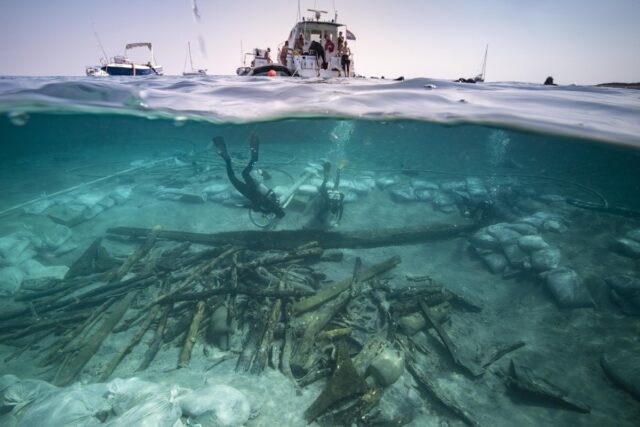
Roman Maritime Engineering: Ancient Ship Repairs Revealed
Archaeology and classical history intersect in fascinating ways when researchers apply modern scientific techniques to ancient artifacts. The study of Roman ship repairs represents one such intersection, where investigators examine the remains of vessels that plied the Mediterranean thousands of years ago. These shipwrecks and their accumulated artifacts provide direct evidence of how Roman engineers constructed, maintained, and repaired their maritime vessels—information that would otherwise be lost to history. Through careful analysis of wooden timbers, repair patches, and construction techniques, scientists can reconstruct the methods and technologies available to Roman shipbuilders.
The process of tracking Roman ship repairs involves multiple scientific disciplines, including dendrochronology (tree-ring dating), wood chemistry, and structural analysis. Researchers examine the wood samples recovered from archaeological sites, determining their age and origin, then study how repairs were made and what materials were used. Evidence of multiple repair phases on single vessels suggests that Roman ships were maintained and reused for extended periods, reflecting both economic necessity and advanced knowledge of maritime construction. The discovery of standardized repair techniques across multiple vessels indicates that Roman shipbuilders shared common practices and may have even possessed formal training in their craft.
The implications of this research extend to our understanding of Roman maritime commerce and naval technology. By reconstructing the maintenance requirements and operational lifespans of Roman ships, historians gain insights into the economic realities of ancient seafaring, the routes these vessels traveled, and the sophistication of Roman engineering knowledge. Such findings contribute to the broader picture of how the Roman Empire maintained its vast network of trade and military operations across the Mediterranean Sea.
The Significance of Overlooked Research
Every month brings a flood of new scientific papers, conference presentations, and research announcements. Given the volume of scientific output, many valuable contributions inevitably slip past general scientific awareness and public recognition. These overlooked stories often represent years of dedicated work by researchers who may not have institutional resources for major publicity campaigns or access to high-profile media outlets. By deliberately highlighting such stories, science communicators help ensure that important findings receive appropriate recognition and that the public gains a fuller picture of contemporary scientific research activities.
The practice of curating and highlighting lesser-known science stories serves multiple important functions. First, it acknowledges the contributions of researchers working in less glamorous fields or employing less sensational approaches to their investigations. Second, it demonstrates the interconnectedness of seemingly disparate research domains and shows how knowledge accumulates across disciplines. Third, it reminds audiences that scientific progress is incremental and methodical, built on numerous small discoveries and careful measurements rather than occasional major breakthroughs. Finally, it preserves important findings in forms that might otherwise be lost in the overwhelming noise of the modern information environment.
As we continue to face complex global challenges ranging from climate change to emerging diseases, the ability to identify and amplify important research becomes increasingly critical. Supporting the dissemination of scientific findings—even those that don't immediately capture public imagination—strengthens the scientific enterprise and ensures that crucial knowledge reaches the audiences that need it most.
Source: Ars Technica


