
Army Base Arrests Raise Concerns Over ICE Cooperation

Experts warn that incidents on a US army base could violate laws, as immigration agents target civilian drivers in what appears to be a coordinated effort.
Army base arrests on a rural California military installation have sparked fears of illegal coordination between immigration enforcement and the U.S. military, according to experts and lawmakers. The traffic stops, which initially appeared routine, ultimately resulted in several individuals being detained by Immigration and Customs Enforcement (ICE) agents, raising concerns about potential violations of U.S. law.
Francisco Galicia, a U.S. citizen, found himself pacing a frigid, cement-walled cell at Fort Hunter Liggett, a vast army base 160 miles south of San Francisco, on a Friday evening in January. Joined by six other men who shared eerily similar stories of their arrests, Galicia realized they had all been caught in what seemed to be a coordinated trap.
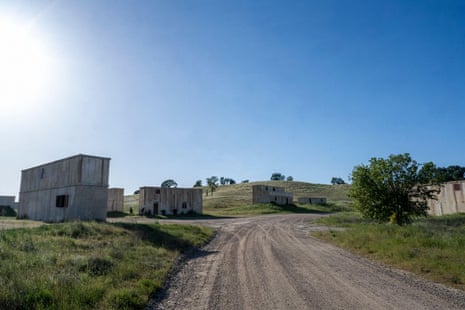
The incidents on the army base have raised alarms among experts and lawmakers, who warn that such coordination between immigration enforcement and the military could violate U.S. laws prohibiting the use of the armed forces for domestic law enforcement. ICE has denied any unlawful coordination, but the details of the arrests have done little to assuage concerns.
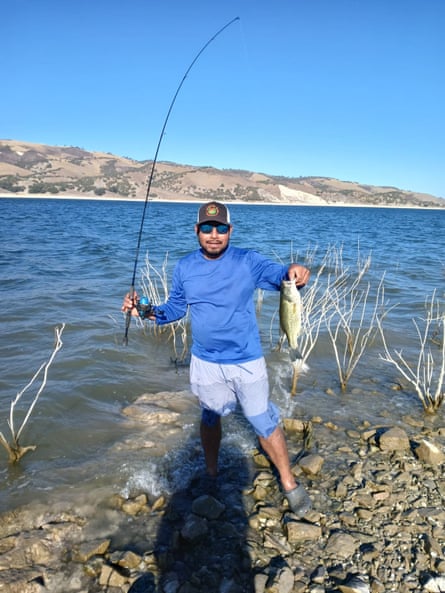
"We got hooked," said Galicia, a U.S. citizen, recounting his experience. The 23-year-old had driven onto the base, unaware of the trap that awaited him. "It was just a routine traffic stop, and then immigration showed up."
The cases highlight the growing intersection between immigration enforcement and the U.S. military, a dynamic that has raised ethical and legal questions. While the military has long played a role in border security, the involvement of immigration agents on army bases is a more recent and troubling development, according to experts.
"This is a very dangerous precedent," said Ur Jaddou, director of DHS Watch, a nonpartisan advocacy group. "It's a violation of the Posse Comitatus Act, which prohibits the military from being used for domestic law enforcement."
The arrests on the army base have also drawn the attention of lawmakers, who are demanding answers and calling for investigations into the potential collaboration between ICE and the military. Representative Joaquin Castro, a Texas Democrat, has expressed concerns over the incidents, stating that they "raise serious questions about the cooperation between immigration enforcement and the military."
As the legal and ethical implications of these arrests continue to be explored, the experiences of individuals like Francisco Galicia serve as a sobering reminder of the potential consequences of blurring the lines between immigration enforcement and the U.S. military.
Source: The Guardian


