
Artemis II's 'Hello, World' Image Gets Stunning Animated Update

NASA releases animated version of iconic Artemis II 'Hello, world' photograph. Over 12,000 mission images now available in astronaut photography archive.
The Artemis II mission to the Moon captured thousands of remarkable photographs during its historic journey last month, with astronauts documenting every phase of their groundbreaking voyage. While NASA initially released a carefully curated selection of the most compelling images during and immediately following the flight, the complete photographic archive has now become available to the public. This comprehensive collection offers an unprecedented window into humanity's return to lunar exploration and the intricate details of modern spaceflight operations.
The full trove of over 12,000 images was released last weekend on the Gateway to Astronaut Photography, a publicly accessible database maintained by NASA's Johnson Space Center. This extensive archive represents the most comprehensive visual documentation of an Artemis mission to date, providing researchers, space enthusiasts, and the general public with an invaluable resource. The sheer volume of photographs demonstrates the importance NASA places on visual documentation of its most critical missions and the technological capabilities now available to astronauts in space.
The photographic equipment aboard Artemis II was notably sophisticated, reflecting the advancement of technology available to modern space missions. The astronauts utilized three different cameras during their journey: a professional-grade Nikon D5, the cutting-edge Nikon Z9, and an iPhone 17s. This combination of dedicated photography equipment and consumer-level technology allowed the crew to capture both technically precise images and spontaneous moments of the mission. The diversity of equipment enabled different perspectives and photographic styles, resulting in a rich and varied collection of images.
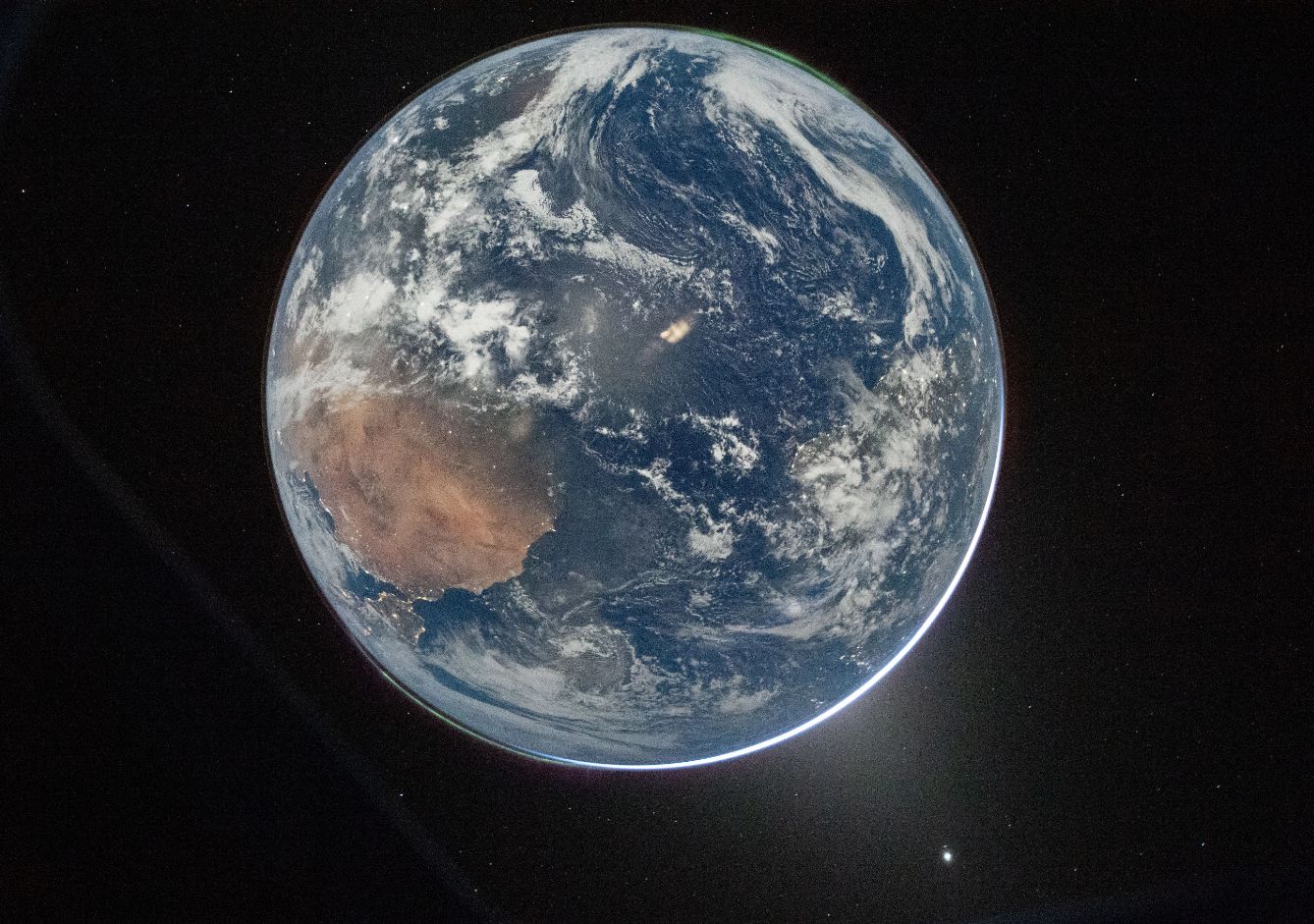
As with any massive collection of images, the archive contains a wide range of quality and subject matter, from carefully composed shots to candid moments captured during daily operations. Some images are among the most striking photographs ever taken from space, while others document routine procedures and technical details essential to understanding the mission's execution. This mix of spectacular and mundane imagery provides a complete picture of what a lunar mission actually entails, beyond just the headline-grabbing moments.
Among the early highlights of the Artemis II mission was the now-iconic "Hello, world" image, a photograph that became symbolic of the mission's historic nature. This compelling image was captured by Artemis II Commander Reid Wiseman as the Orion spacecraft departed from Earth's orbit, beginning its outbound trajectory toward the Moon. The photograph effectively captured the momentous occasion of leaving our home planet, with Earth visible in the background as the spacecraft pressed forward on its mission. This single image resonated with the public and media alike, becoming one of the defining visual representations of the Artemis II mission.

What makes the recent release particularly exciting is that NASA has now unveiled an animated version of the "Hello, world" photograph, which provides even more insight and detail than the original static image. The animation was created by processing multiple frames captured during the same moment, effectively transforming a single photograph into a dynamic sequence that reveals previously unseen details about the Orion spacecraft's departure from Earth. This innovative approach to presenting space imagery demonstrates how modern data visualization techniques can enhance our understanding of historic moments in spaceflight.
The animated interpretation of the "Hello, world" image showcases elements and perspectives that were not immediately apparent in the original photograph. By examining the sequence of images captured in quick succession as the Orion spacecraft moved away from Earth, animators and mission specialists were able to create a more comprehensive view of the spacecraft's position relative to Earth and the surrounding space environment. These striking new details provide context and dimension that a single still photograph cannot convey, making the animation an important addition to the mission's photographic record.
The release of the complete Artemis II image archive represents a significant milestone in NASA's commitment to transparency and public engagement with space exploration. Rather than limiting access to images to media outlets and official channels, the agency has made the entire collection available through its publicly accessible Gateway to Astronaut Photography database. This democratization of space imagery allows anyone with internet access to explore the mission in unprecedented detail and form their own connections to this historic endeavor.
The availability of such comprehensive photographic documentation serves multiple important purposes for the space exploration community. Scientists and engineers can use the images to analyze spacecraft performance, verify mission parameters, and document any anomalies that occurred during the flight. Historians and archivists benefit from having a complete visual record of a landmark mission for future research and education. Educational institutions can incorporate these authentic images into curriculum materials to inspire the next generation of space explorers and scientists.
The Orion spacecraft's journey to the Moon was meticulously documented through every phase of the mission, from pre-launch preparations through the lunar approach and return to Earth. The photographs collectively tell the story of humanity's ambitious return to lunar exploration, with each image contributing to a comprehensive understanding of what it takes to accomplish such a remarkable feat. The mission represents not just a technological achievement, but a testament to human curiosity and our drive to explore beyond the confines of our planetary home.
Looking forward, the complete Artemis II image archive will likely become an invaluable resource for future missions and continued lunar exploration efforts. The lessons documented through photography from this mission will inform design decisions and operational procedures for subsequent Artemis flights and other deep space exploration initiatives. By sharing these images publicly, NASA is building a visual legacy of human spaceflight that will inspire and educate generations to come, ensuring that the achievements of the Artemis II crew are properly preserved and celebrated.
The animated "Hello, world" image serves as a perfect example of how technological innovation continues to enhance our ability to understand and appreciate the wonders of space exploration. What began as a single photograph captures by Commander Wiseman has evolved into a dynamic visual presentation that reveals new layers of detail and meaning. This transformation demonstrates the ongoing effort by NASA and the broader space community to make space exploration accessible, engaging, and meaningful to audiences around the world, ensuring that historic missions like Artemis II maintain their impact and relevance for years to come.
Source: Ars Technica


